Precancerous Patches? Actinic Keratosis Treatment Can Help Protect Your Skin
Posted by Asthetic health care
Filed in Health 35 views
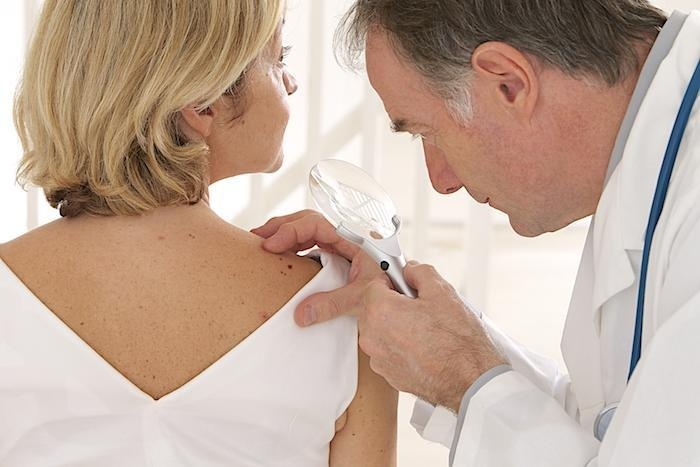
Rough, scaly, or crusty patches on sun-exposed skin should not always be dismissed as harmless dryness. Actinic keratoses are precancerous skin lesions caused mainly by long-term ultraviolet (UV) exposure, and Actinic Keratosis Treatment in Dubai can help manage these changes before they potentially progress to skin cancer. Recognizing suspicious patches early and getting them professionally assessed is an important step toward healthier skin.
What Is Actinic Keratosis?
Actinic keratosis is a common skin condition that develops after years of cumulative sun exposure. It often appears as a rough or scaly patch on areas such as the face, scalp, ears, neck, forearms, and hands.
These patches may be easier to feel than see at first. They can feel dry, gritty, or sandpaper-like and may range from skin-colored to pink, red, brown, or slightly darker.
Although actinic keratosis is not skin cancer itself, it is considered precancerous. Some lesions can develop into squamous cell carcinoma, a type of skin cancer, particularly when they are left untreated or repeatedly exposed to UV radiation.
Common signs include:
- Rough or scaly patches that persist
- Crusty areas on sun-exposed skin
- Pink, red, or brown spots with an uneven surface
- A patch that repeatedly flakes and returns
- Sensitive, itchy, or occasionally tender areas
- Multiple similar lesions appearing over time
Because other skin conditions can look similar, a dermatologist should evaluate persistent or changing patches rather than relying on appearance alone.
Why Should Precancerous Patches Be Treated?
Actinic keratoses develop because abnormal skin cells have been damaged by UV radiation. While not every lesion becomes cancerous, identifying and treating these patches can reduce the amount of abnormal tissue remaining on the skin.
Early treatment is particularly important when lesions become thicker, enlarge, bleed, become painful, or develop significant crusting. A dermatologist can determine whether a patch is consistent with actinic keratosis or whether it requires further investigation.
Treatment may also improve the texture and appearance of affected skin. Instead of allowing rough patches to remain untreated, professional care can address visible lesions while helping reduce the risk associated with ongoing sun damage.
How Does Actinic Keratosis Treatment Work?
The appropriate treatment depends on factors such as the number of lesions, their thickness, location, overall skin condition, and whether the lesions are isolated or widespread. A dermatologist first examines the affected area and then recommends an option suited to the individual case.
Common approaches for managing actinic keratosis include:
Cryotherapy
Cryotherapy uses controlled freezing to destroy individual actinic keratoses. It is often used when there are a limited number of clearly identified lesions.
The treated area may become red, swollen, or develop a blister before healing. The skin generally improves as the treated tissue naturally sheds.
Prescription Topical Treatments
Certain prescription creams or gels can be used when multiple lesions are present across a broader area. Instead of targeting only one visible patch, these treatments can address abnormal cells across the selected treatment field.
Because these medications can cause redness, irritation, peeling, or inflammation, they should be used according to professional instructions.
Photodynamic Therapy
Photodynamic therapy, or PDT, can be considered for selected cases involving multiple actinic keratoses. It involves applying a light-sensitive substance to the affected skin and then activating it with an appropriate light source.
The process helps target abnormal cells while limiting damage to surrounding healthy tissue. A dermatologist determines whether this approach is appropriate based on the patient's skin and lesions.
Curettage and Other Procedures
For thicker or more persistent lesions, a dermatologist may recommend a procedure that physically removes abnormal tissue. In some cases, a sample may also be examined to confirm the diagnosis or rule out skin cancer.
The best approach is not necessarily the same for every patch. Professional assessment helps ensure that suspicious lesions receive the appropriate level of care.
What Can You Expect During Treatment?
Before treatment, the dermatologist examines the affected patches and reviews factors such as sun exposure and the appearance of the lesions. If a spot looks unusual, additional evaluation may be recommended.
Once the treatment plan is selected, the procedure is performed according to the type and extent of the lesions. Some methods require only a short clinical visit, while others involve a period of skin healing or repeated applications.
After treatment, temporary redness, scaling, crusting, or irritation may occur depending on the technique used. Patients should follow aftercare instructions carefully and avoid unnecessary sun exposure while the skin recovers.
With appropriate Actinic Keratosis Treatment in Dubai, the goal is not simply to improve the appearance of rough patches. Treatment focuses on addressing abnormal precancerous skin changes and supporting healthier skin going forward.
How Can You Help Prevent New Actinic Keratoses?
Treatment addresses existing lesions, but protecting the skin from UV radiation remains essential. Repeated sun exposure can contribute to additional actinic keratoses even after existing patches have been treated.
A consistent sun-protection routine can include:
- Apply a broad-spectrum sunscreen with an appropriate SPF every day.
- Reapply sunscreen as directed, especially during prolonged outdoor activity.
- Wear protective clothing, a wide-brimmed hat, and sunglasses when appropriate.
- Seek shade when UV exposure is strongest.
- Avoid intentional tanning and unnecessary exposure to artificial UV sources.
- Check your skin regularly for new or changing rough patches.
Sun protection is particularly important for people who have already developed actinic keratoses because their skin has demonstrated the effects of cumulative UV damage.
When Should You See a Dermatologist?
Not every rough or flaky patch is actinic keratosis, but a persistent lesion deserves professional attention. You should arrange a dermatological assessment if a patch does not heal, repeatedly returns, becomes thicker, or changes in appearance.
Prompt evaluation is especially important if a lesion:
- Bleeds without an obvious cause
- Becomes increasingly painful or tender
- Grows quickly
- Develops a thick, firm, or unusual crust
- Changes noticeably in color or shape
- Continues to recur after seeming to heal
A dermatologist can distinguish actinic keratosis from other skin conditions and identify lesions that may need additional testing. If a lesion shows signs that could indicate squamous cell carcinoma, timely diagnosis becomes especially important.
Conclusion
Precancerous patches should never be ignored simply because they appear small or harmless. Actinic keratosis is linked to cumulative UV damage, and early professional assessment can help identify abnormal skin changes before they potentially become more serious. With suitable Actinic Keratosis Treatment, regular skin checks, and consistent sun protection, you can take practical steps toward managing sun-damaged skin. If you notice a persistent rough or crusty patch, consider consulting a qualified dermatologist for an appropriate evaluation and treatment plan.
Frequently Asked Questions
1. Is actinic keratosis considered skin cancer?
No. Actinic keratosis is considered a precancerous skin condition rather than skin cancer. However, some lesions can progress to squamous cell carcinoma, which is why professional evaluation and appropriate management are important.
2. Can actinic keratosis go away on its own?
Some lesions may temporarily fade, but this does not necessarily mean the abnormal cells have been completely eliminated. Persistent or recurring patches should be evaluated by a dermatologist to determine whether treatment is appropriate.
3. Does every actinic keratosis need treatment?
A dermatologist determines whether treatment is needed based on the lesion's appearance, location, thickness, number of lesions, and other individual factors. Treatment may be recommended to address existing abnormal cells and reduce potential risks.
4. Can actinic keratosis come back after treatment?
Yes. Treatment can address existing lesions, but it does not reverse all previous UV-related skin damage. New actinic keratoses can develop, making ongoing sun protection and regular skin checks important.