YiFan Conveyor Flexible Powered Roller Conveyor: Best Uses in Logistics Centers
Posted by rockyj rockyj
Filed in Other 217 views
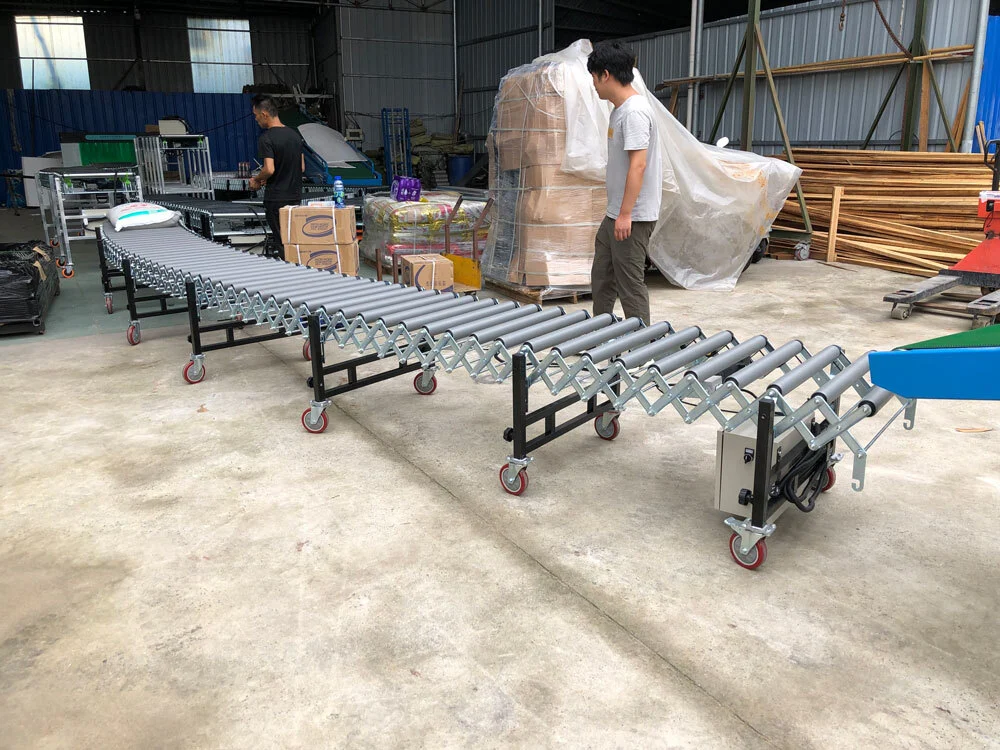
Logistics centers run on tight schedules, and every minute spent moving goods manually is a minute taken away from processing the next shipment that's already waiting to be handled. A flexible powered roller conveyor fits naturally into this environment, giving logistics teams a tool that speeds up the physical movement of goods while adapting easily to the constantly shifting demands of a busy shipping floor that rarely looks the same from one day to the next.
Speeding Up Truck Loading and Unloading
One of the most common uses in logistics centers is extending the conveyor directly into a truck trailer during loading or unloading, connecting the storage area to the vehicle without requiring workers to make repeated trips back and forth. Workers place items onto the rollers near the storage area, and the motor carries them the rest of the way, cutting down significantly on the walking and carrying that would otherwise slow down each truck's turnaround time and extend the overall length of a busy shift.
Supporting Cross-Docking Operations
Cross-docking, where goods are unloaded from one truck and loaded almost directly onto another with minimal storage time in between, depends heavily on fast, flexible movement that can be set up on short notice. A portable conveyor allows staff to set up a temporary path between two docking bays without permanent installation, which fits perfectly with the short-term, high-speed nature of cross-docking workflows that often need to be reconfigured multiple times within a single day depending on incoming schedules.
Handling Seasonal Volume Spikes
Learn how a flexible powered roller conveyor helps logistics centers manage the sharp increases in volume that come with holiday seasons or promotional sales events, when order numbers can climb well beyond what the facility normally handles on an average day. Because extra units can be brought in and set up quickly, temporary loading points can be created without the lead time needed for permanent conveyor installations that would otherwise take weeks to plan and build.
Improving Space Utilization
Logistics centers often deal with limited floor space, especially near loading docks where multiple trucks may be active at once and every extra foot of open space matters for smooth movement. Since these conveyors can be folded or repositioned when not in use, they don't take up permanent floor space the way fixed conveyor systems do, freeing up the area for other equipment or foot traffic when it's not actively being used during quieter parts of the day.
Long-Term Benefits for Logistics Operations
Beyond the day-to-day speed improvements, logistics centers that adopt this equipment often see fewer workplace injuries related to manual lifting, along with more predictable loading times that make scheduling trucks and staff considerably easier to manage. Over time, these smaller, consistent gains tend to add up to a noticeably more efficient shipping operation overall, one that can handle growth and seasonal spikes without constantly needing to hire additional temporary labor just to keep pace with demand.