How Does Keto Water Support Fat Metabolism and Healthy Weight Management?
Posted by Mitcheal Samith
182 views
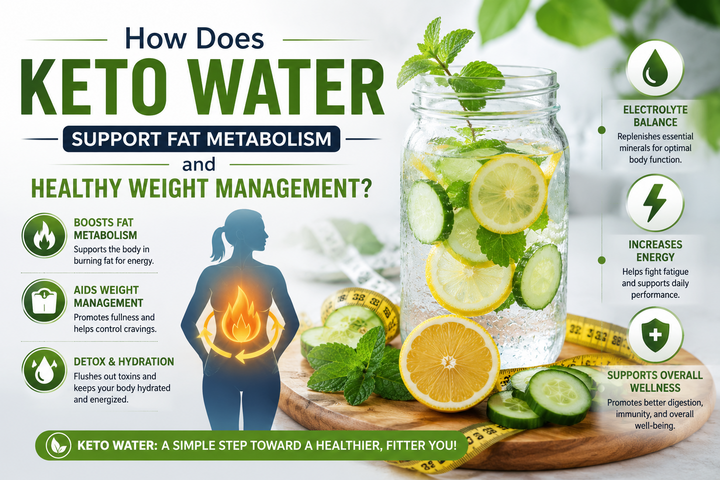
Losing weight is often about more than simply eating less. Your body needs the right balance of hydration, nutrition, physical activity, and energy intake to support healthy weight management. This is why products and beverages designed around hydration and low-carbohydrate lifestyles have attracted growing attention among people following keto-inspired diets.
Keto Water for Weight Loss is often discussed as a convenient way to support hydration while complementing a low-carb lifestyle. Depending on its ingredients, keto water may contain electrolytes, minerals, and other nutrients that can help support hydration and normal energy metabolism. However, it is important to understand what keto water actually does, what ingredients it may contain, and how it can fit into a balanced weight-management routine.
What Is Keto Water?
Keto water generally refers to a hydration beverage designed for people following a ketogenic or low-carbohydrate lifestyle. Unlike sugary drinks, many keto-friendly beverages are formulated with little or no added sugar and may provide electrolytes such as sodium, potassium, and magnesium.
The idea behind keto water is relatively simple: hydration is essential for normal body function, while electrolytes help maintain fluid balance and support several physiological processes.
Some keto water products may also contain ingredients associated with energy production, hydration, or metabolism. Because formulations can differ significantly between products, consumers should always check the ingredient label and nutritional information.
Why Is Hydration Important During Weight Management?
Water plays an essential role in almost every process in the body. It supports digestion, circulation, temperature regulation, and normal cellular function.
When someone reduces carbohydrate intake significantly, the body may experience changes in water and electrolyte balance. This can make adequate hydration particularly important for people following a ketogenic eating pattern.
Staying properly hydrated may also make it easier to distinguish thirst from hunger. However, water itself does not directly burn body fat. Sustainable fat loss still depends largely on maintaining an appropriate energy balance over time.
How Does Keto Water Relate to Fat Metabolism?
Fat metabolism is the process through which the body breaks down and uses stored or dietary fat for energy. Your body continuously uses a mixture of carbohydrates and fats as fuel, with the proportion changing according to factors such as diet, activity, energy intake, and metabolic state.
A ketogenic diet significantly reduces carbohydrate intake, which can encourage the body to rely more heavily on fat and ketones for energy. Keto water may complement this lifestyle by helping maintain hydration and electrolyte intake.
However, it is important to separate the role of hydration from the process of fat loss.
Does Keto Water Actually Burn Fat?
Keto water should not be viewed as a magic fat-burning drink. Drinking a particular beverage does not automatically cause the body to eliminate stored body fat.
Fat loss generally occurs when the body uses more energy than it receives from food and beverages over time. A low-carbohydrate diet may influence how the body uses fuel, but total calorie intake, food quality, physical activity, sleep, and consistency also matter.
Therefore, keto water may be useful as part of a broader healthy routine, but it should not replace a nutritious diet or regular physical activity.
Potential Benefits of Keto Water for Weight Management
The potential benefits of keto water depend heavily on its formulation. A well-designed product may provide several practical advantages for people following a low-carb lifestyle.
1. Supports Daily Hydration
One of the most straightforward benefits is hydration. Drinking enough fluids helps the body perform normal physiological functions.
For individuals who dislike plain water, a keto-friendly hydration beverage may make it easier to maintain consistent fluid intake, particularly when it offers a convenient and enjoyable alternative.
2. Provides Electrolytes
Electrolytes are minerals that help regulate fluid balance and support functions such as nerve signaling and muscle contraction.
Sodium, potassium, and magnesium are common electrolytes found in hydration products. People following very low-carbohydrate diets may pay particular attention to electrolyte intake because changes in carbohydrate consumption can affect fluid and electrolyte balance.
The exact amount needed varies from person to person, so keto water should complement—not automatically replace—nutrient-rich foods and appropriate hydration.
3. May Fit a Low-Carbohydrate Lifestyle
Many keto water products are designed with low or zero added sugar. This can make them more suitable for people who want to avoid sugary beverages.
Replacing sugar-sweetened drinks with a lower-sugar alternative can also help reduce unnecessary calorie intake, which may support overall weight-management efforts.
4. Can Be a Convenient Hydration Option
Convenience matters when building healthy habits. A portable hydration drink can be useful before, during, or after physical activity, or simply throughout a busy day.
The easier a healthy habit is to maintain, the more likely it may become part of a consistent routine.
Keto Water Ingredients: What Should You Look For?
Not all keto water products are identical. Their ingredients can vary considerably, so understanding the label is important.
Electrolytes
Electrolytes such as sodium, potassium, and magnesium are frequently associated with keto hydration products.
These minerals contribute to normal body functions, including fluid balance and muscle and nerve function.
Low or No Added Sugar
People following a ketogenic or low-carb lifestyle generally monitor carbohydrate intake carefully. A keto-friendly hydration product may therefore contain little or no added sugar.
Always check the nutrition facts rather than relying only on terms such as “keto” or “low carb” on the front of a package.
Additional Functional Ingredients
Some products may include vitamins, minerals, flavoring ingredients, or other compounds intended to provide additional nutritional or functional benefits.
Because ingredients and amounts differ between brands, it is important to evaluate the complete ingredient list rather than assuming that every keto water product works the same way.
Keto Water and Fat Burning: Can It Support Your Goals?
The relationship between keto water and fat burning is best understood as supportive rather than direct.
A ketogenic eating pattern may increase the body's reliance on fat as a fuel source because carbohydrate availability is reduced. Meanwhile, hydration supports normal physiological processes that are important for overall health and physical performance.
This means Keto Water for Weight Loss may have a place within a larger strategy that includes nutritious food choices, appropriate calorie intake, exercise, adequate sleep, and consistent hydration.
But the beverage itself should not be considered the primary driver of weight loss.
Why Energy Balance Still Matters
Even when following a ketogenic diet, consuming more energy than the body needs can make losing body fat difficult.
Foods and drinks marketed as keto-friendly can still contribute calories. Therefore, “keto” does not automatically mean “weight-loss friendly.”
A successful approach focuses on the overall eating pattern rather than one individual product.
How to Include Keto Water in a Healthy Routine
Keto water can be incorporated into a weight-management routine in several practical ways.
Start Your Day With Hydration
Drinking water in the morning can help begin the day with adequate fluid intake. A keto-friendly electrolyte beverage may be an option for people who prefer something beyond plain water.
Pair It With Balanced Nutrition
Keto water should complement nutritious foods rather than replace them.
Depending on your dietary approach, focus on nutrient-dense foods such as vegetables, quality protein sources, healthy fats, and appropriate sources of vitamins and minerals.
Use It Around Physical Activity
Hydration becomes especially relevant during exercise or periods of increased sweating. A beverage containing electrolytes may be useful in certain situations, although individual needs vary.
Pay Attention to Added Ingredients
Always review the label for sugar, carbohydrates, calories, caffeine, sodium, and other ingredients. This is particularly important if you are following a specific dietary plan.
Common Mistakes to Avoid With Keto Water
Although keto water can be a convenient addition to a healthy lifestyle, there are several misconceptions worth avoiding.
Mistake 1: Expecting Instant Fat Loss
No beverage can replace consistent nutrition and physical activity. Weight management is a gradual process.
Mistake 2: Ignoring Calories
A product can be labeled keto while still containing calories. If your goal is fat loss, your overall energy intake remains important.
Mistake 3: Drinking Too Little Plain Water
Keto water can be part of your fluid intake, but it does not necessarily need to replace all other sources of hydration.
Mistake 4: Assuming More Electrolytes Are Always Better
Electrolytes are essential, but excessive intake may not be appropriate for everyone. Individual needs can vary based on diet, activity level, climate, and health circumstances.
Who May Consider Keto Water?
Keto water may appeal to adults who follow ketogenic or low-carbohydrate eating patterns and want a convenient way to support hydration.
It may also be useful for people looking for alternatives to sugary beverages.
However, individuals with medical conditions, those taking medications, or anyone with specific dietary restrictions should consider discussing significant dietary changes or electrolyte supplementation with a qualified healthcare professional.
Keto Water vs. Regular Water
Regular water remains one of the simplest and most effective ways to stay hydrated. Keto water may offer additional electrolytes or other ingredients depending on the formulation.
The choice depends on individual preferences and nutritional needs.
|
Feature |
Regular Water |
Keto Water |
|
Hydration |
Yes |
Yes |
|
Electrolytes |
Usually minimal |
May contain added electrolytes |
|
Added sugar |
Typically none |
Usually low/no added sugar, depending on product |
|
Calories |
Usually zero |
Depends on formulation |
|
Keto-friendly |
Yes |
Designed specifically for low-carb lifestyles |
The key is not to think of keto water as a replacement for healthy habits. Instead, consider it one possible tool within a well-rounded approach to hydration and weight management.
FAQ,s
Does keto water help you lose weight?
Keto water may support a healthy lifestyle by helping with hydration and, depending on its formulation, electrolyte intake. However, it does not directly cause fat loss. Sustainable weight loss generally requires appropriate nutrition, energy balance, physical activity, and consistent habits.
Does keto water increase fat burning?
Keto water itself should not be considered a direct fat burner. A ketogenic diet can change the body's fuel utilization by reducing carbohydrate availability, while hydration supports normal body functions.
Can I drink keto water every day?
Whether you can drink a particular keto water product daily depends on its ingredients and your individual nutritional needs. Check the product label and consider your total intake of electrolytes, sodium, and other nutrients.
Is keto water better than regular water?
Not necessarily. Regular water is excellent for hydration. Keto water may provide additional electrolytes or other ingredients that some people may find useful, particularly when following a low-carb lifestyle.
Can keto water replace a healthy diet?
No. Keto water is a beverage, not a complete nutrition plan. It should be used alongside a balanced dietary pattern that provides adequate protein, healthy fats, fiber, vitamins, and minerals.
Final Thoughts
Understanding the role of hydration can help you make smarter decisions about your weight-management routine. Keto Water for Weight Loss may be a convenient option for people following a low-carb lifestyle, especially when the product provides electrolytes and contains little or no added sugar. However, its benefits should be viewed as supportive rather than as a substitute for a healthy diet, regular movement, adequate sleep, and an appropriate energy balance.
For anyone looking for a convenient hydration option that fits into a keto-focused lifestyle, Eushbi can be considered as part of a broader approach to healthy weight management. The most effective results come from combining smart nutrition and consistent lifestyle habits rather than relying on a single drink or ingredient.