The Evolution of ASRS Solutions in Dynamic Warehousing
Posted by scott bang
Filed in Technology 565 views
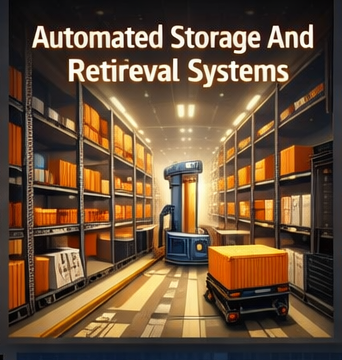
Automated Storage and Retrieval Systems: Transforming Modern Warehousing
Automated storage and retrieval systems are rapidly redefining how warehouses and distribution centers operate. As supply chains become faster, more complex, and increasingly digital, businesses are turning to intelligent automation to improve accuracy, throughput, and space utilization. These systems, commonly known as ASRS, combine software, robotics, and material handling equipment to store and retrieve goods with minimal human intervention, making them a core pillar of next-generation warehouse automation.
The Role of Automation in Smarter Warehouses
The demand for warehouse automation is being driven by e-commerce growth, labor shortages, and rising expectations for same-day or next-day delivery. Automated storage and retrieval systems help address these pressures by reducing manual handling, optimizing inventory placement, and enabling real-time visibility across operations. Modern ASRS solutions are no longer limited to large-scale facilities; modular designs and scalable architectures are making automation accessible to mid-sized warehouses as well.
Advanced software integration is a major trend shaping adoption. Today’s systems are tightly connected with warehouse management systems (WMS) and enterprise resource planning (ERP) platforms. This integration allows automated storage and retrieval systems to dynamically adjust storage strategies based on demand patterns, order frequency, and SKU velocity. As a result, warehouses can improve picking accuracy while reducing order fulfillment times.
Key Technology Trends in ASRS Solutions
One of the most notable trends in ASRS solutions is the increased use of robotics and artificial intelligence. AI-powered algorithms help determine optimal storage locations, predict maintenance needs, and balance workloads across automated equipment. Autonomous shuttles and robotic cranes are becoming faster and more energy-efficient, enabling higher throughput without expanding physical footprints.
Vertical lift modules are also gaining significant traction, particularly in environments where floor space is limited. These systems store items in vertical trays and automatically deliver them to an ergonomic access point, reducing travel time and improving worker safety. Vertical lift modules are especially popular in sectors such as healthcare, manufacturing, and spare parts distribution, where precision and space optimization are critical.
Another emerging trend is the shift toward flexible and customizable systems. Instead of rigid, one-size-fits-all installations, vendors now offer ASRS solutions that can be reconfigured as business needs evolve. This flexibility supports seasonal demand fluctuations and long-term scalability, making automated storage and retrieval systems a more future-proof investment.
The strong outlook for automated storage and retrieval systems is underpinned by sustained investment across logistics, retail, and industrial sectors. A key driver is the need to reduce operational costs while maintaining high service levels. Automation lowers dependency on manual labor, minimizes errors, and improves inventory accuracy—all of which contribute to measurable return on investment.
In terms of market momentum, industry forecasts point to steady expansion over the coming years. According to Grand View Research, the global automated storage and retrieval systems market size is projected to reach USD 10.31 billion by 2030, growing at a CAGR of 8.0% from 2025 to 2030. This growth reflects rising adoption across both developed and emerging economies, as companies modernize their warehousing infrastructure to stay competitive.