E-Scooter Rental Solutions for Congestion-Free City Travel
Posted by scott bang
Filed in Technology 489 views
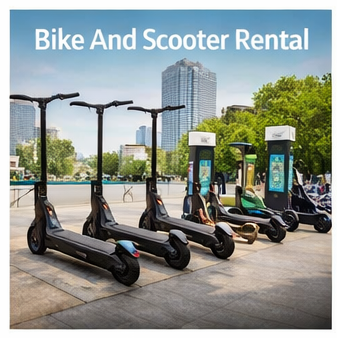
Bike and Scooter Rental: Shaping the Future of Urban Mobility
Urban transportation is undergoing a rapid transformation as cities worldwide search for cleaner, more flexible, and cost-effective mobility solutions. In this evolving landscape, bike and scooter rental services have emerged as a critical component of shared mobility ecosystems. From daily commuting to last-mile connectivity, these services are redefining how people move through dense urban environments while aligning with sustainability goals and changing consumer preferences.
Technology and Sustainability Driving Adoption
One of the most significant trends in the bike rental and scooter rental space is the integration of advanced digital technologies. Mobile apps now enable users to locate, unlock, and pay for rides seamlessly, while GPS tracking and IoT sensors help operators manage fleets efficiently. Data analytics is increasingly used to optimize vehicle placement, predict demand, and reduce maintenance costs, improving both user experience and operational profitability.
Sustainability remains a core driver behind the expansion of e-scooter rental and electric bike rental services. Cities are encouraging low-emission transport options to combat congestion and air pollution, making shared electric mobility an attractive alternative to private vehicles. Electric fleets also align with broader smart city initiatives, where micromobility solutions complement public transport networks rather than compete with them.
Changing Consumer Behavior and Urban Planning
Consumer behavior has shifted notably in recent years, with a growing preference for access over ownership. Younger demographics, in particular, value convenience and flexibility, making on-demand bike rental and scooter rental services appealing. Tourists are also a major user segment, as rentals offer an easy way to explore cities without relying on taxis or car rentals.
Urban planners are responding by investing in dedicated bike lanes, parking zones, and safety regulations that support micromobility. This infrastructure development has reduced barriers to adoption and improved safety perceptions, which is especially important for first-time users of e-scooter rental platforms. As cities adapt their policies, operators are finding more stable environments for long-term growth.
The strong fundamentals of the sector are reflected in its growth outlook. In a recent assessment, the global bike and scooter rental market was valued at USD 5.54 billion in 2023 and is projected to expand at a robust pace through the end of the decade. This trajectory highlights increasing acceptance of shared micromobility across both developed and emerging economies. According to Grand View Research, the market is expected to grow at a compound annual growth rate of 16.8% from 2024 to 2030, underscoring sustained investor confidence and rising urban demand.
This growth is being fueled by strategic partnerships between rental operators, municipal authorities, and technology providers. Collaborations with public transport agencies allow bike rental and electric bike rental services to integrate ticketing and route planning, creating seamless multimodal journeys. Meanwhile, venture capital and corporate investments continue to support fleet expansion and innovation.
Future Outlook for Bike and Scooter Rental Services
Looking ahead, the bike and scooter rental industry is expected to evolve beyond basic point-to-point transportation. Subscription models, corporate mobility programs, and campus-focused solutions are gaining traction, diversifying revenue streams for operators. Advances in battery technology will further enhance the range and durability of electric bike rental and e-scooter rental fleets, reducing downtime and environmental impact.
Regulatory frameworks will play a decisive role in shaping the future. Cities that strike a balance between innovation and public safety are likely to see the greatest benefits from shared mobility. As awareness grows and infrastructure improves, bike rental and scooter rental services are poised to become an integral part of everyday urban life, offering a practical response to congestion, emissions, and the need for flexible transportation.
In summary, the convergence of technology, sustainability, and shifting mobility preferences is driving the rapid expansion of bike and scooter rental solutions worldwide. With strong market growth projections and increasing support from cities and consumers alike, the sector is well positioned to remain a cornerstone of modern urban transportation systems.