Excavator Control Systems Enhancing Precision and Productivity
Posted by scott bang
Filed in Business 702 views
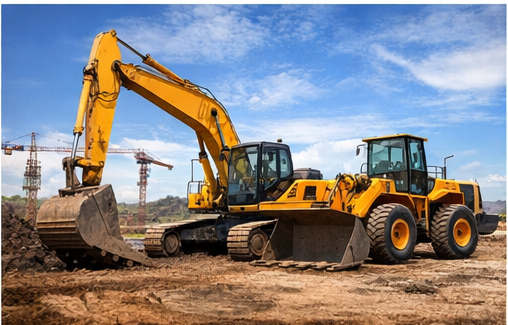
Emerging Trends Shaping Construction Equipment
The construction sector is undergoing a period of rapid transformation, driven by infrastructure expansion, urbanization, and technological innovation. At the center of this evolution is modern construction equipment, which is becoming more efficient, intelligent, and adaptable to complex project requirements. Contractors today are not only looking for raw power and durability but also for machines that improve productivity, reduce operating costs, and support sustainability goals. As a result, equipment manufacturers are rethinking design, performance, and digital integration across their portfolios.
Technology-Driven Innovation Across Heavy Machinery
One of the most visible trends is the integration of advanced technologies into heavy equipment. Digital monitoring systems, telematics, and IoT-enabled sensors are now common features in machines such as the excavator and bulldozer. These tools allow operators and fleet managers to track fuel usage, machine health, and performance metrics in real time. Predictive maintenance, powered by data analytics, is helping companies reduce downtime and extend equipment life cycles.
Automation is also gaining traction. Semi-autonomous and operator-assist features are improving safety and precision on job sites. For example, modern excavators equipped with GPS-based grade control systems can perform complex digging tasks with minimal rework. Similarly, automated blade control in bulldozers ensures consistent grading, even in challenging terrain. These innovations are particularly valuable in large-scale infrastructure and mining projects, where efficiency directly impacts profitability.
Sustainability and the Shift Toward Cleaner Equipment
Environmental considerations are increasingly influencing purchasing decisions. Governments and private developers alike are pushing for lower emissions and reduced noise levels on construction sites. In response, manufacturers are introducing hybrid and fully electric variants of traditional construction equipment. Electric excavators and compact cranes are already being deployed in urban projects where noise and emissions regulations are strict.
This shift toward sustainability is not limited to powertrains. Lightweight materials, improved hydraulic systems, and energy-efficient designs are helping reduce overall fuel consumption. A modern crane, for instance, can now lift heavier loads with less energy thanks to optimized structural engineering and smarter load management systems. These advancements support both environmental compliance and long-term cost savings.
Growth Outlook and Investment Momentum
Midway through this transformation, market fundamentals remain strong. The global construction equipment market size is projected to reach USD 471.25 billion by 2033, growing at a CAGR of 8.7% from 2026 to 2033, according to Grand View Research. This outlook reflects sustained investment in transportation networks, renewable energy projects, and urban infrastructure across emerging and developed economies. In simple terms, the market is set for steady, long-term expansion, supported by rising demand for efficient, technologically advanced machinery.
This growth is also encouraging manufacturers to expand product lines and regional footprints. Strategic partnerships, localized manufacturing, and after-sales service enhancements are becoming key differentiators in a competitive landscape.
Evolving Equipment Demand and Future Outlook
Demand patterns are also shifting toward versatile and multi-functional machines. Contractors increasingly prefer equipment that can handle multiple tasks with minimal attachments or configuration changes. A single excavator, for example, may be used for digging, lifting, and demolition, while a bulldozer may support grading, land clearing, and site preparation. Cranes continue to play a critical role in high-rise construction and industrial projects, where precision and load stability are paramount.
Looking ahead, the convergence of digitalization, sustainability, and smart design will define the next phase of construction equipment development. As job sites become more complex and timelines tighter, machines that combine reliability with intelligence will be in highest demand. For construction firms, investing in advanced equipment is no longer optional—it is a strategic necessity to remain competitive in a rapidly evolving industry.