The Meaning Behind the Seven Pheras
Posted by Raj Kumar
197 views
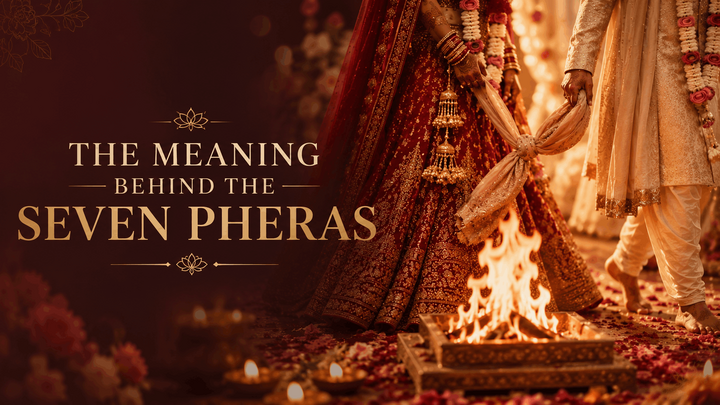
The seven pheras are among the most significant rituals in a traditional Hindu wedding. During this ceremony, the bride and groom walk around the sacred fire while making a series of promises that symbolise their responsibilities towards each other and their future family.
The word "phera" refers to the act of going around the sacred fire. The ritual is also closely associated with Saptapadi, or the seven steps, although the exact sequence and interpretation can differ across Hindu communities and regional traditions.
For many couples, the pheras are the emotional centre of the wedding ceremony. Yet with the focus often placed on clothing, photography, décor, and celebrations, the deeper meaning of these vows can sometimes be overlooked.
From my experience observing Indian weddings, I have found that couples often connect more deeply with the ceremony once they understand what each phera represents. The promises made during those moments are not limited to the wedding day. They reflect many of the responsibilities that shape married life.
What Are the Seven Pheras?
The seven pheras traditionally involve the couple walking around the sacred fire, with each round representing a particular commitment.
The interpretation can vary depending on the region, family, religious tradition, and wedding ceremony. However, the seven rounds commonly relate to themes such as:
- Nourishment and wellbeing
- Strength and resilience
- Prosperity and financial stability
- Family and mutual responsibility
- Children and shared family life
- Health and lifelong companionship
- Friendship, loyalty, and togetherness
The central idea is that marriage is a partnership involving shared responsibilities rather than simply a ceremonial union.
Why Is the Sacred Fire Important?
The sacred fire, known as Agni, plays an important role in many Hindu wedding traditions.
The couple performs the pheras in the presence of the fire, which traditionally represents purity and serves as a witness to their commitments.
The fire therefore gives the ceremony a deeper symbolic meaning. The couple is publicly making promises that are intended to guide their relationship beyond the wedding celebrations.
For many families, this makes the pheras one of the most sacred moments of the entire wedding.
First Phera: Nourishment and Wellbeing
The first phera is traditionally associated with providing nourishment and maintaining the basic wellbeing of the household.
At a practical level, this can relate to food, health, and creating a stable home.
In a modern marriage, the meaning can be interpreted more broadly. Nourishment can also represent emotional care, encouragement, and supporting each other's wellbeing.
A partnership becomes stronger when both people recognise that their individual health and happiness affect the household as a whole.
Second Phera: Strength and Support
The second phera is generally associated with strength and the ability to face life's challenges together.
Every marriage experiences difficult periods. Professional uncertainty, financial pressures, family responsibilities, relocation, and personal challenges can test a relationship.
This phera can therefore be understood as a commitment to support each other through both positive and difficult circumstances.
Modern couples can interpret this promise as emotional as well as physical strength. Listening, communicating honestly, and standing beside a partner during challenging periods are important forms of support.
Third Phera: Prosperity and Financial Responsibility
The third phera is traditionally connected with prosperity and the responsible management of resources.
Financial stability remains an important part of married life. Couples may need to make decisions about housing, savings, investments, careers, education, and family responsibilities.
The spirit of this phera can therefore be connected with:
- Responsible financial planning
- Supporting each other's careers
- Building long-term security
- Making major financial decisions together
- Maintaining transparency about money
Financial compatibility is increasingly important for modern couples, particularly when both partners have established careers.
Families considering premium matrimony may also place importance on professional ambitions, financial expectations, and lifestyle compatibility when evaluating potential matches.
Fourth Phera: Happiness and Family Harmony
The fourth phera is commonly associated with happiness, harmony, and family life.
Marriage often brings two families together, particularly within the Indian social and cultural context.
This promise can be understood as a commitment to creating a household based on:
- Respect
- Cooperation
- Understanding
- Family harmony
- Mutual responsibility
Modern couples may also interpret this as an agreement to share household responsibilities rather than automatically assigning duties according to traditional gender roles.
Fifth Phera: Family and Children
The fifth phera is traditionally connected with family growth and the wellbeing of children.
Historically, marriage and having children were closely connected. Modern couples, however, have different approaches to parenthood.
Some may want children immediately, others may prefer to wait, and some may decide not to have children.
Therefore, the broader meaning of this phera can be connected with making thoughtful and mutually agreed decisions about family life.
Couples should discuss their expectations regarding children before marriage rather than assuming that both partners have identical plans.
Sixth Phera: Health and Lifelong Togetherness
The sixth phera is generally associated with health, wellbeing, and the desire to remain together through the different stages of life.
Marriage involves significant changes over time.
Couples may experience:
- Career transitions
- Parenthood
- Relocation
- Financial changes
- Responsibilities towards parents
- Retirement
- Changing health needs
This phera can therefore be viewed as a reminder that lifelong companionship requires flexibility.
Partners may not experience every stage of life in the same way, but they can choose to support each other through those changes.
Seventh Phera: Friendship and Lifelong Companionship
The seventh phera is often viewed as the culmination of the couple's commitments.
It is associated with friendship, loyalty, companionship, and a lasting relationship.
Friendship is an important foundation for long-term marriage because romantic feelings naturally evolve over time.
A strong marriage also depends on being able to:
- Communicate openly
- Laugh together
- Respect differences
- Support individual growth
- Spend quality time together
- Remain emotionally connected
The seventh phera therefore represents more than staying together. It can be understood as a commitment to remain companions and friends throughout married life.
Seven Pheras and Modern Marriage
The circumstances surrounding Indian marriages have changed considerably.
Young couples today may have dual careers, live away from their hometowns, manage independent finances, and make decisions about marriage differently from previous generations.
Yet the themes represented by the pheras remain relevant.
Consider the traditional concepts:
Nourishment can represent emotional and physical wellbeing.
Strength can mean supporting each other during difficult circumstances.
Prosperity can involve financial planning and career support.
Family harmony can involve creating respectful relationships with both families.
Family growth can involve mutually agreed decisions about children.
Health can represent long-term care and wellbeing.
Friendship can represent emotional companionship throughout life.
This interpretation allows couples to preserve tradition while connecting it to contemporary married life.
The Difference Between Pheras and Saptapadi
The terms "seven pheras" and "Saptapadi" are often used interchangeably, but they can refer to related yet distinct elements depending on the wedding tradition.
Saptapadi literally refers to seven steps taken by the couple. Pheras refer to circumambulation around the sacred fire.
Different Hindu communities follow different ceremonial sequences. In some traditions, the seven steps and seven rounds are closely integrated, while in others they are treated as separate components of the wedding ceremony.
Therefore, couples should understand the specific customs followed by their family and community rather than assuming that every Hindu wedding follows exactly the same procedure.
Why Understanding the Pheras Matters
The pheras can be completed within a relatively short period during the wedding ceremony, but the commitments they represent can influence the couple's entire married life.
Understanding the meaning behind them can help couples think about practical questions before marriage.
For example:
- How will we manage household finances?
- How will we support each other's careers?
- How involved should our families be?
- How will we divide household responsibilities?
- What are our expectations regarding children?
- How will we handle difficult periods?
- What does lifelong companionship mean to us?
These discussions can transform a traditional ritual into a meaningful reflection on the partnership being created.
Personal Experience: Looking Beyond the Ritual
One thing I have noticed at Indian weddings is that many guests focus on the visual aspects of the pheras. The bride and groom's outfits, the mandap, photography, floral decorations, and family reactions naturally attract attention.
However, the significance of the ceremony becomes much clearer when the couple understands the promises being made.
A phera about prosperity, for example, becomes much more meaningful when a couple later has to make decisions about buying a home or managing investments together.
Similarly, a promise associated with companionship becomes relevant during career changes, parenthood, or periods when one partner needs additional support.
This is why I believe traditions become stronger when people understand their purpose.
The Pheras and Marriage Compatibility
The seven pheras also highlight why compatibility is broader than having similar interests.
Two people can enjoy the same hobbies and still have very different expectations about finances, family, careers, or children.
Likewise, partners can have different personalities or interests while sharing fundamental values that support a stable marriage.
This is one reason elite matchmaking can take factors such as lifestyle, family expectations, professional goals, and long-term priorities into consideration when facilitating introductions.
The objective should not be to find someone who agrees with every preference. It should be to identify whether both individuals can build a life around compatible values and expectations.
How Couples Can Make the Pheras More Meaningful
Couples can take a few simple steps to understand the ceremony better.
1. Learn the Meaning
Speak with family members, priests, or knowledgeable cultural sources about the traditions being followed.
2. Discuss the Promises
Talk privately about what each commitment means to both partners.
3. Connect Tradition With Daily Life
Consider how the principles represented by the pheras will apply to finances, family, careers, and personal responsibilities.
4. Understand Family Traditions
The ceremony may differ between communities, so learn which customs are specific to your family.
5. Focus on the Partnership
Remember that the ceremony represents the beginning of married life rather than simply completing a wedding ritual.
Questions Couples Can Discuss Before the Wedding
Understanding the seven pheras can naturally lead to several important conversations.
Couples may discuss:
Finances: How should we manage savings, expenses, and investments?
Careers: How will we support each other's professional ambitions?
Family: What role should our parents and relatives have in our married life?
Children: Do we want children, and what are our expectations regarding parenting?
Household: How should domestic responsibilities be divided?
Conflict: How will we handle disagreements?
Companionship: What do we need from each other to maintain emotional closeness?
These conversations may not be part of the traditional ceremony, but they can help couples understand the practical meaning behind their commitments.
Conclusion
The seven pheras represent some of the central principles associated with Hindu marriage, including nourishment, strength, prosperity, family harmony, responsibility, wellbeing, friendship, and lifelong companionship.
Although interpretations can differ across Hindu communities, the broader message remains relevant. Marriage involves two people agreeing to support each other through changing circumstances and build a shared life.
From my experience, the pheras become far more meaningful when couples understand the commitments behind them. Instead of treating the ritual as simply another part of the wedding schedule, couples can see it as a symbolic framework for the responsibilities they are choosing to share.
Traditions can remain relevant even as marriage evolves. The seven pheras demonstrate how ancient wedding customs can continue to provide meaningful ideas about partnership, commitment, and mutual respect in modern Indian marriages.