Blue Husky Puppies: Beauty, Personality, Care and What Owners Should Know
Posted by New Chaneel
Filed in Other 32 views
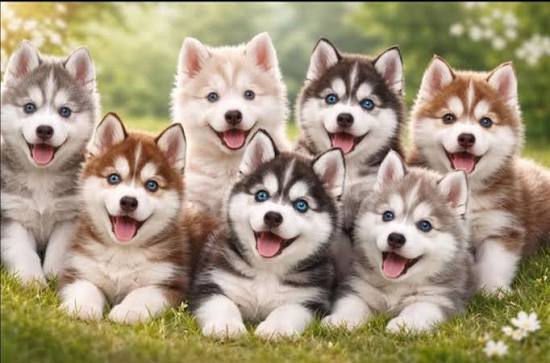
Blue Husky puppies are among the most eye-catching dogs in the world, especially because of their striking blue eyes, thick coats and distinctive facial markings. The term blue Husky Puppies usually refers to Siberian Huskies with blue or blue-gray coloring, although the exact appearance can vary considerably from one puppy to another. Siberian Huskies are a medium-sized working breed originally developed for endurance and the ability to pull light loads over long distances. Their athletic build, friendly expression and energetic personality make them popular companion dogs, but their beauty comes with a need for proper exercise, training and responsible care.
What Makes Blue Husky Puppies So Special?
The combination of a pale coat, dramatic facial markings and bright eyes gives some Husky puppies an almost wolf-like appearance. Blue eyes are especially associated with Siberian Huskies and can occur in both eyes, in one eye, or as a combination of blue Husky Puppies and brown eyes. The American Kennel Club breed standard specifically accepts blue eyes, brown eyes, one of each color and parti-colored eyes in Siberian Huskies. This means that a blue-eyed Husky is not automatically unusual or unhealthy simply because of its eye color.
The Science Behind Husky Blue Eyes
One fascinating fact about Siberian Huskies is that their blue eyes have a genetic explanation that is different from the mechanism responsible for blue eyes in many other dog breeds. A major canine genetics study examined more than 6,000 dogs and identified a 98.6-kilobase DNA duplication near the ALX4 gene on chromosome 18 that is strongly associated with blue eyes in Siberian Huskies. The research found that this genetic variation explained the majority of blue-eyed Huskies in the study, although it did not explain every case. This makes the Husky's famous blue-eyed appearance an interesting example of canine genetics rather than simply a cosmetic feature.
What Does a Healthy Husky Puppy Look Like?
A healthy Siberian Husky puppy should have a balanced, athletic appearance rather than an excessively heavy or fragile build. The breed standard describes the Siberian Husky as a medium-sized working dog with a moderately compact, well-furred body, erect ears and a brush-like tail. Adult males are generally around 21 to 23.5 inches at the shoulder and weigh approximately 45 to 60 pounds, while females are generally around 20 to 22 inches and weigh approximately 35 to 50 pounds. Puppies naturally have different proportions as they grow, so responsible owners should focus on overall health, body condition and development rather than trying to make a puppy reach a particular size.
The Beautiful Double Coat
A Husky's coat is one of its most recognizable characteristics. Siberian Huskies have a double coat consisting of a dense, soft undercoat and a straighter outer coat that helps create their distinctive full appearance. This coat developed alongside the breed's northern working heritage and provides substantial insulation. Puppies may initially look especially fluffy, but their coat changes as they mature. Regular grooming helps remove loose hair and keeps the coat in good condition, particularly during seasonal shedding periods when Husky owners can expect considerably more loose fur around the home.
Blue Husky Puppies Have Big Personalities
The appearance of a Husky puppy can be calm and innocent, but the personality behind those beautiful eyes is often energetic, curious and independent. Siberian Huskies were developed as working dogs capable of traveling considerable distances, so they generally have substantial physical and mental energy. Their breed standard describes their expression as keen, friendly, interested and sometimes mischievous. This combination can make them entertaining companions, but it also means that owners should be prepared for a dog that enjoys exploring, learning and staying active rather than spending the entire day quietly on the sofa.
Exercise Is Essential for Growing Huskies
A young Husky needs age-appropriate activity and opportunities to explore safely. Because the breed was developed for endurance, simply providing a small space to walk around may not meet its physical and mental needs as the dog matures. Exercise should be introduced responsibly while the puppy is developing, with activities adjusted according to age and veterinary guidance. Games involving gentle movement, basic training, controlled walks and supervised exploration can help keep a growing puppy engaged. Mental stimulation is equally valuable because an intelligent, bored Husky may look for its own entertainment, which can sometimes mean chewing, digging or attempting to escape.
Training a Blue Husky Puppy
Early training can make a major difference in the experience of living with a Husky. Puppies benefit from consistent rules, positive reinforcement and short training sessions that keep their attention. Basic skills such as responding to their name, coming when called, walking calmly and settling indoors are useful foundations. Socialization is also important because puppies should gradually become comfortable with different people, environments, sounds and appropriate experiences. Huskies can be independent thinkers, so patience and consistency are generally more productive than harsh training methods.
Those Famous Husky Escape Skills
Husky owners often discover that these dogs are surprisingly creative when they want to explore. Their athletic ability and curiosity can make ordinary fencing less effective if a puppy finds a weakness in the environment. A secure, appropriately designed outdoor area is therefore important. Puppies should not be left unsupervised in places where they could squeeze through gaps, climb over barriers or find another route outside. Identification and secure supervision are sensible precautions for a breed known for its adventurous nature.
Are Blue-Eyed Huskies Rare?
Blue eyes are strongly associated with Siberian Huskies and are accepted within the breed standard, so blue-eyed puppies should not automatically be described as rare simply because their eyes are striking. The genetic research into Siberian Husky eye color found a strong relationship between the breed-specific chromosome 18 variation and blue eyes. At the same time, not every Husky carrying the associated genetic variant necessarily has blue eyes, demonstrating that coat, eye and genetic traits can be more complicated than appearance alone suggests.
Choosing a Responsible Breeder
Anyone considering a blue Husky puppy should look beyond eye color or coat appearance when evaluating a breeder. A responsible breeder should care about the health, temperament and welfare of the dogs rather than producing puppies solely because a particular appearance is fashionable. Prospective owners should be comfortable asking about veterinary care, health screening, socialization, the puppy's parents and the conditions in which the litter has been raised. Attractive blue eyes should never be the only reason for choosing a puppy.
Daily Care for a Blue Husky Puppy
Good Husky care involves more than food and occasional grooming. Puppies need a nutritionally appropriate diet, routine veterinary care, parasite prevention, vaccinations according to veterinary recommendations and regular monitoring as they grow. Their nails, ears, teeth and coat should also receive appropriate attention. Because Huskies have a dense double coat, owners should avoid assuming that shaving the coat is a suitable way to manage shedding or warm weather. Instead, regular brushing and sensible environmental management are generally more appropriate.
Why Blue Huskies Need Committed Owners
A Siberian Husky can be a wonderful family companion, but the breed may not be ideal for every household. Their energy, independence, vocal nature, grooming requirements and need for secure supervision can require more commitment than some first-time owners expect. People who want a Husky mainly because of its appearance may be surprised by how much daily interaction and activity the dog requires. Understanding the breed's original working characteristics can help prospective owners decide whether their lifestyle is genuinely compatible with a Husky puppy.