Breakout Facial Treatment: Common Mistakes to Avoid Before and After Your Appointment
Posted by Rose Ela Skin Care Skin Care
Filed in Other 32 views
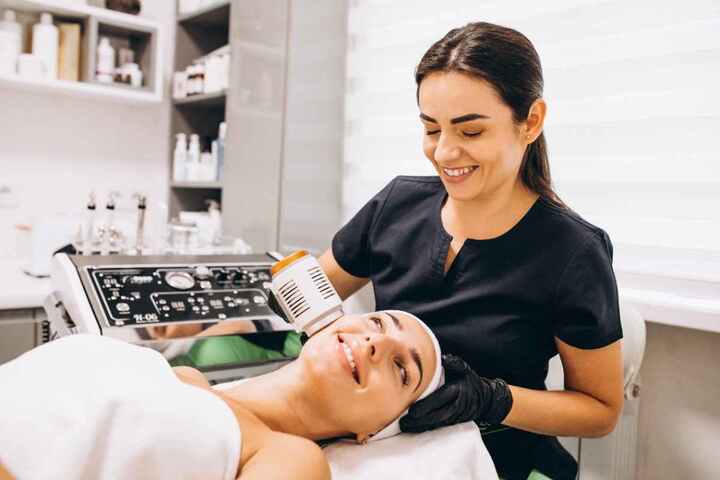
Booking a facial is only half the process. What you do before and after your visit can shape whether your skin actually improves. A rushed routine on either side of the appointment can leave you more irritated than when you started.
Many people searching for an acne facial in Nanuet NY focus entirely on picking a provider. Far fewer think about preparation or aftercare, even though both affect your results just as much as the treatment itself. Here are the most common mistakes to avoid on either side of your appointment.
Mistakes to Avoid Before Your Acne Facial in Nanuet NY
A little preparation goes a long way toward a comfortable visit and a better outcome.
-
Exfoliating or using strong actives right before your visit. Retinoids, acids, and at-home scrubs can leave skin more reactive, making extractions and other steps feel harsher than they should.
-
Getting a lot of sun beforehand. Freshly sunburned or heavily tanned skin is more sensitive, which can limit what your esthetician is able to do safely.
-
Skipping the consultation questions. Not mentioning current medications, recent procedures, or products you’re using means your treatment plan may not be adjusted the way it should be.
-
Choosing a facial for blackheads and breakouts without checking if it suits sensitive skin. Not every acne-focused protocol is appropriate for every skin type, which is why a consultation matters more than the service name alone.
-
Arriving with makeup or heavy skincare layered on. It simply adds time to the cleansing step and can make it harder to assess your skin accurately at the start.
Mistakes to Avoid After Your Breakout Facial Treatment
What happens in the days after your appointment often matters more than the treatment itself.
-
Picking at your skin. Extractions can leave skin slightly tender. Picking afterward raises the risk of marks, irritation, and setbacks to the progress you just made.
-
Jumping back into active ingredients too soon. Reintroducing retinoids or strong acids right away can overwhelm skin that is still settling down.
-
Skipping SPF. Freshly treated skin is more vulnerable to sun-related discoloration, even on cloudy days.
-
Expecting instant results. Most clients notice gradual improvement, often becoming clearer after a series of visits rather than a single session.
-
Going too long between sessions. Acne-prone skin generally benefits from a consistent schedule, since long gaps can let congestion build back up.
"Acne is the most common skin condition in the United States, affecting up to 50 million Americans annually." — American Academy of Dermatology, 2025
Choosing the Best Facial for Acne-Prone Skin
With so many options available, it helps to know what separates a good fit from a poor one. The right choice should be adjusted to your specific oil levels, sensitivity, and breakout pattern. It should never be applied as a one-size-fits-all protocol regardless of your skin’s actual condition.
Ask how the esthetician plans to assess your skin before treatment. Also ask whether the approach can be adjusted if your skin reacts differently than expected. A provider willing to explain their reasoning is usually a good sign of a barrier-conscious, results-oriented approach.
What to Expect at Rose Ela Skin Care
At Rose Ela Skin Care, an acne treatment facial typically begins with a consultation rather than a fixed routine. The studio is led by Mirela Lupachov, a European-trained Licensed & Master Esthetician with more than 15 years of experience. She evaluates each client’s skin before recommending a plan.
Scheduling with a provider who explains both preparation and aftercare in advance makes it far easier to avoid the mistakes above. Most clients are given simple, specific guidance for the days following their visit, rather than a generic printed sheet. This kind of planning is part of what separates a thoughtful treatment plan from a one-time service.
Whether this is your first visit or you’re switching providers, booking an acne facial in Nanuet NY with clear guidance helps protect your results. A good provider walks you through the before-and-after steps up front, rather than leaving you to figure them out on your own.
When to See a Dermatologist Instead
A professional facial can support clearer, more balanced-looking skin, but it isn’t a substitute for medical care. If you notice painful cystic breakouts, rapid changes, or signs of infection, it’s worth having a dermatologist evaluate your skin before booking an esthetic treatment.
Estheticians are trained to support skin health and recognize when a referral makes sense, but they don’t diagnose or treat underlying medical conditions. Many clients use both approaches together as part of an ongoing routine.
Book an Acne Skin Assessment in Nanuet, NY
Avoiding these common mistakes is one of the simplest ways to get more out of your next appointment. Rose Ela Skin Care has worked with Nanuet and Rockland County clients on customized, barrier-conscious acne care since 2015. The studio’s guidance is built around each client’s skin, rather than a generic checklist handed to everyone.
Frequently Asked Questions
How soon before my appointment should I stop using retinoids or acids?
Most estheticians recommend pausing strong actives for three to five days beforehand. Your provider can give you exact timing based on your specific routine and skin sensitivity.
Is it normal for my skin to look worse right after a facial?
Mild redness or a few visible spots in the first day or two is common, especially after extractions. This typically settles on its own, though you should ask your esthetician what's expected for your specific treatment.
How do I know if I picked the right acne facial in Nanuet NY?
A good sign is a provider who asks detailed questions about your skin history before treating you. Offering the same protocol to every client, regardless of their skin, is a less encouraging sign. Personalized aftercare guidance is another strong indicator.
Can I wear makeup the day after my facial?
Light, non-comedogenic makeup is usually fine once any redness settles, but it's best to confirm with your esthetician first. Freshly treated skin can be more reactive to certain products for a day or two.
How many sessions does it usually take to see results?
Most clients notice visible improvement after a series of sessions rather than a single visit, often spaced three to five weeks apart. Your esthetician can give you a more specific timeline based on your skin's current condition.