Long-Term Care Tips for Your Permanent Tooth Fixture
Posted by Alina Luba
456 views
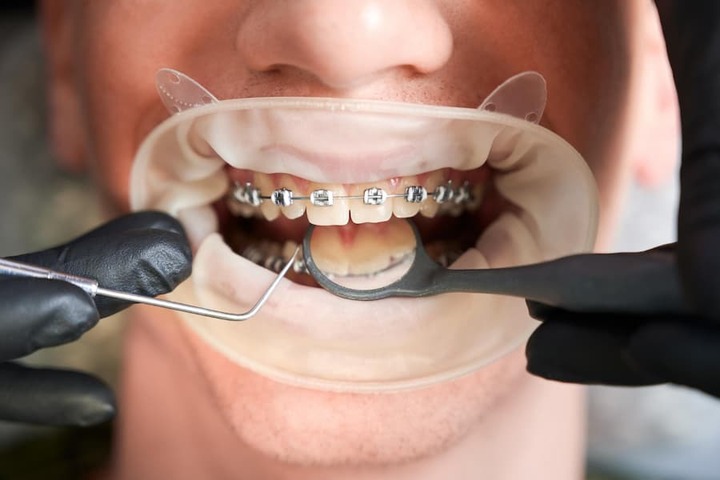
Investing in a permanent tooth fixture like a dental implant is a major step toward regaining not just your grin but also your confidence and oral health. Unlike conventional dentures, implants are meant to be a long-term, even lifelong, solution that provides stability and functionality similar to natural teeth. Their longevity, meanwhile, is not guaranteed; it depends entirely on the level of treatment they receive. Implants need a constant and rigorous maintenance schedule to guard the surrounding bone and soft tissues, much as natural teeth need careful hygiene to avoid decay and gum disease.
Ignoring this care can cause peri-implantitis, an inflammatory condition that might impair the base of the implant, among other complications. Choosing the appropriate routines and agreeing to frequent expert monitoring will help to guarantee your investment benefits you for many decades. Preserving both the fixture and your general dental health calls for professional follow-up from a Manchester dental implant specialist for people who have had this surgery in the North West.
The Need for a Daily Oral Hygiene Procedure
Long-term implant success depends on a careful daily cleaning regimen. Although the implant is made of titanium and cannot decay, the surrounding gums and bone are susceptible to infection. Peri-implantitis, a condition characterised by inflammation of the gums and possible bone destruction supporting the implant, develops when plaque and bacteria collect around the implant.
To avoid this, you should brush at least twice daily using a soft-bristled toothbrush, emphasising the region where the crown joins the gum line. Non-abrasive toothpaste is advised to prevent scratching the implant's surface, therefore preventing bacterial hiding places.
Perfecting the Technique of Flossing Around Implants
Conventional flossing techniques might not be adequate for cleaning around dental implants. Between the implant crown and your natural teeth or other implants, you have to clean the narrow areas. Many dentists advise employing specialised instruments even if conventional floss can work.
Super floss is great for cleaning around the abutment with its spongy segment and stiffened end meant to be threaded between teeth. Alternatively, interdental brushes or a water flosser can be quite successful at clearing food debris and breaking up plaque biofilm from regions a toothbrush cannot reach.
Employing the Correct Oral Hygiene Items
Picking the correct instruments and products is essential for implant maintenance. To prevent damage to the sensitive gum tissues around the implant, a soft-bristled toothbrush, whether manual or electric, is absolutely required. An electric toothbrush with a pressure sensor is especially helpful as it tells you if you are brushing too vigorously.
Use a non-whitening, low-abrasive fluoride toothpaste as noted. An alcohol-free mouthwash with antibacterial properties might be a great complement to your routine, as it lowers the bacterial count and maintains the health of the gum tissue.
Frequent Dental Appointments
For the long-term health of your dental implant, even with flawless home care, professional supervision is non-negotiable. You should make appointments for checkups every six months at the very least, or more regularly as recommended by your dentist.
Your dentist or hygienist will perform a professional cleaning in addition to checking the implant and surrounding tissues for any indicators of irritation or bone loss. They have specialised equipment, including ultrasonic scalers with plastic or carbon-fibre tips, that may safely remove tartar without scratching the implant surface.
Preserving Your Implant from Physical Harm
Though your implant is sturdy, it is not indestructible. Be careful, as chewing on ice, harsh candies, or pens can ruin the porcelain crown or even the supporting elements. You have to speak with your dentist if you grind or clench your teeth at night, a condition known as bruxism.
The implant and neighbouring bone can receive the overbearing forces, which may result in fracture or bone loss. To shield your natural teeth and implant from this harm, your dentist can provide you with a bespoke nighttime guard.
Eating a Diet Suitable for Implants
Although one of the main advantages of implants is the ability to eat a great range of foods, common sense should still be in charge. Maintaining a well-balanced diet high in calcium and vitamin D helps the jawbone that secures your implant in the long run.
Still, be wary of foods that are very sticky or tough. Chewing on stiff nuts, bones, or sticky toffee could harm the crown. Being aware of your food helps to guarantee the fixture stays undamaged and functional.
Conclusion
Though your dental implant is a great investment in your quality of life, its lifespan depends on a collaboration between you and your dental crew. You can shield your implant from the most common risks by committing to a thorough daily cleaning regimen, using the appropriate tools, and seeing your dentist regularly. Long-term success of your implant depends on being attentive to early warning signs of problems, shielding it from physical harm, and living a good lifestyle.
Correct care can help your implant to produce comfortable movement and assured smiles for a lifetime. For those who have taken this route, the ongoing support and expertise of a Dental Implant expert is priceless, ensuring that your investment is secure and your smile stays brilliant for years to come.
Visit Youtalent for more informative blogs.