Retail Packaging Boxes: A Practical Guide for Businesses
Posted by xpert packaging
Filed in Arts & Culture 19 views
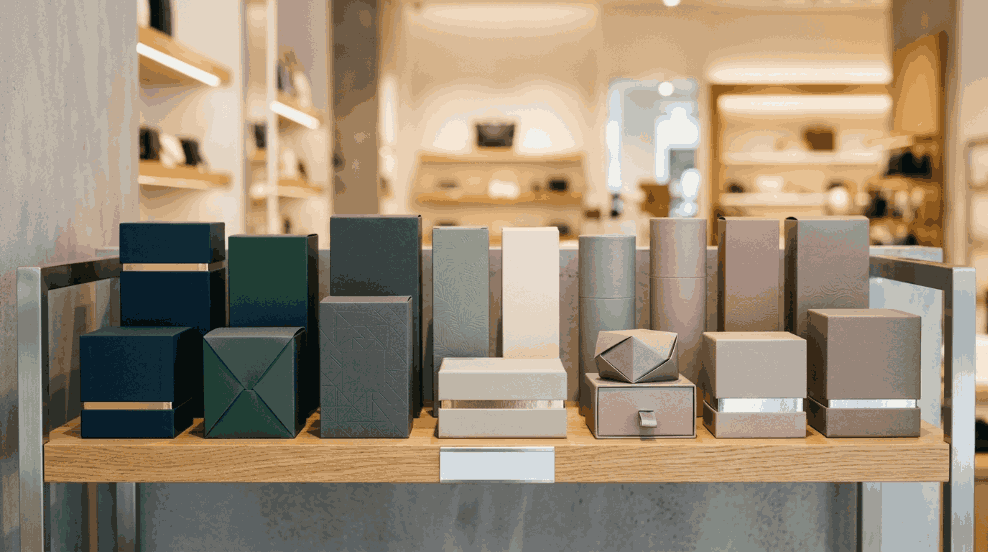
Retail Packaging Boxes are designed to hold, protect, display, and present products in stores or direct-to-consumer sales. Unlike basic shipping cartons, retail packaging usually has a stronger focus on appearance, product information, brand recognition, and the customer's experience.
The right box depends on what you sell, where the product is displayed, how much protection it needs, and how customers will receive it. A lightweight paperboard carton may be ideal for cosmetics or small accessories, while a corrugated box may be more appropriate for heavier products or e-commerce orders.
What Are Retail Packaging Boxes?
Retail packaging boxes are containers made specifically for products that are sold to consumers. They can be simple stock cartons or completely customized packages printed with a company's branding and product information.
A retail box may include:
- Brand logo and colors
- Product name
- Product details
- Instructions or usage information
- Barcodes
- Product photography or illustrations
- Required labels and warnings
- Protective inserts
- Windows for product visibility
The packaging serves both a functional and visual purpose. It needs to protect the product while making it easy for customers to understand what they are buying.
What Are Retail Boxes Used For?
These boxes are used across many industries, including:
- Cosmetics and skincare
- Food and beverages
- Electronics and accessories
- Apparel and footwear
- Toys and games
- Jewelry
- Health and beauty products
- Candles
- Household products
- Consumer goods
- Gifts and specialty products
A small cosmetic product might use a printed folding carton, while a premium watch could require a rigid box with a custom insert.
Common Types of Retail Packaging
Folding Cartons
Folding cartons are made from paperboard and can be shipped flat before being assembled.
They are popular because they are relatively lightweight, easy to print, and efficient to store. They work well for products such as cosmetics, food, supplements, accessories, and small consumer goods.
Kraft Boxes
Kraft packaging has a natural paper appearance and can work particularly well for brands with an earthy, handmade, or minimalist visual identity.
It can be printed directly or combined with labels, stickers, sleeves, or stamps.
Rigid Boxes
Rigid boxes use thicker board and provide a more substantial feel than standard folding cartons.
They are often used for:
- Luxury products
- Jewelry
- Premium electronics
- Gift sets
- High-end cosmetics
- Corporate gifts
The main trade-offs are higher cost and greater storage requirements.
Corrugated Retail Boxes
Corrugated board contains a fluted layer between paper liners, giving the package additional structural strength.
It can be useful for heavier products, subscription boxes, e-commerce orders, or products that need additional protection during transportation.
Window Boxes
A transparent window allows shoppers to see part or all of the product without opening the package.
This can be useful for:
- Bakery products
- Toys
- Gifts
- Apparel accessories
- Crafts
- Small household items
The window should be selected according to the product and packaging requirements.
Choosing the Right Material
Material selection should begin with the product.
Paperboard
Paperboard is suitable for many lightweight retail products. Its smooth surface also provides a good base for high-quality printing.
It is commonly used for:
- Cosmetics
- Food cartons
- Small accessories
- Personal-care products
- Retail merchandise
Kraft Board
Kraft board provides a natural appearance and can support simple, clean packaging designs. It is often selected when visual simplicity is part of the brand identity.
Corrugated Cardboard
Corrugated cardboard offers more protection than lightweight paperboard and is useful when products need greater resistance to compression and handling.
Rigid Board
Rigid board is appropriate when the package itself is intended to feel substantial and premium. It can support magnetic closures, fabric or paper wrapping, inserts, and other presentation features.
Read More: TUXEDO BOXES: A STYLISH PACKAGING CHOICE FOR PREMIUM PRODUCTS
Retail Box Sizes and Dimensions
Box dimensions should be based on the product's actual measurements.
Measure:
- Length
- Width
- Height
Then account for any additional components such as inserts, dividers, protective padding, or sleeves.
Avoid leaving excessive empty space. A loose product can move during handling, while an oversized package uses more material and storage space.
At the same time, don't make the box so tight that products are difficult to insert or remove.
For products sold online, package dimensions also matter because larger packages may require more storage and transportation space.
Custom Printing Options
Printing is one of the main differences between plain packaging and branded retail packaging.
Businesses can use:
- CMYK printing
- Pantone colors
- Full-color photography
- Line illustrations
- Patterned backgrounds
- Product information
- Barcode printing
- Interior printing
A good package does not need to use every available design feature. The most useful information should remain easy to read from a normal viewing distance.
Finishes That Can Change the Look
Finishing options can add texture or visual contrast.
Popular choices include:
- Matte coating
- Gloss coating
- Soft-touch coating
- Spot UV
- Foil stamping
- Embossing
- Debossing
- Die-cut details
For example, a matte carton with a small foil logo can create a restrained premium appearance. A colorful children's product might benefit more from bright printing than from expensive specialty finishes.
Product Protection Matters
Retail packaging should protect the product from the point of packing through storage, transportation, and handling.
The required protection depends on:
- Product weight
- Fragility
- Shape
- Moisture sensitivity
- Temperature exposure
- Shipping method
- Expected handling
Fragile products may need inserts, dividers, molded supports, or cushioning. Lightweight products may only require a correctly sized carton.
The most attractive box is not necessarily the most suitable if the product can easily become damaged inside it.
Retail Packaging vs. Shipping Packaging
These two functions can overlap, but they are not always the same.
Retail packaging usually emphasizes:
- Product presentation
- Branding
- Shelf appearance
- Product information
- Customer convenience
Shipping packaging places greater emphasis on:
- Structural strength
- Protection from handling
- Cushioning
- Secure closure
- Efficient dimensions
For e-commerce, businesses sometimes use a branded retail box inside a stronger shipping carton. This allows the product presentation and transportation protection to serve different purposes.
Benefits of Custom Retail Packaging
Stronger Brand Recognition
Consistent colors, typography, graphics, and logos can help customers identify products across a retail display or online order.
Better Shelf Presentation
A well-designed package can make product information easier to see and help the item maintain a consistent appearance across a product line.
Product Organization
Custom inserts and compartments can keep products positioned correctly inside the package.
Improved Customer Experience
Opening a well-structured package can feel more organized than dealing with loose or poorly protected components.
Flexible Product Information
Custom printing provides space for instructions, ingredients, specifications, barcodes, warnings, and other relevant information.
Limitations and Trade-Offs
Custom packaging is not always the cheapest option.
Costs can increase with:
- Complex structures
- Small production quantities
- Thick materials
- Specialty finishes
- Custom inserts
- Windows
- Multiple components
- Extensive assembly
Storage is another consideration. Rigid boxes take up more space than flat-packed folding cartons.
Businesses should also avoid changing packaging dimensions unnecessarily. A new box size can affect inserts, shipping materials, warehouse organization, and product presentation.
Read More: Lip Balm Tubes: Materials, Sizes, Types, and Buying Guide
How Much Do Retail Packaging Boxes Cost?
There is no universal price because packaging is highly specification-dependent.
The main cost factors include:
- Box size
- Material type
- Board thickness
- Order quantity
- Printing method
- Number of colors
- Finishing
- Structural complexity
- Inserts
- Shipping and setup
A simple printed folding carton generally has different production requirements from a rigid box with foil, embossing, and a custom insert.
When comparing quotes, make sure each supplier is pricing the same dimensions, material, quantity, printing, and finishing specifications.
How to Choose Retail Packaging Boxes
A practical selection process can prevent unnecessary costs.
1. Define the Product
Measure the product and determine its weight, fragility, and handling requirements.
2. Determine the Sales Channel
A package designed for a store shelf may have different requirements from one shipped directly to customers.
3. Choose the Material
Select paperboard, kraft, corrugated, or rigid board according to the product's protection and presentation needs.
4. Decide on the Structure
Choose between folding cartons, mailer-style boxes, rigid boxes, window boxes, and other constructions based on how the product will be packed and displayed.
5. Plan the Artwork
Keep important information readable and make sure branding remains consistent with other company materials.
6. Consider the Interior
If the product needs additional support, plan inserts or dividers before finalizing the box dimensions.
7. Request a Sample
A physical sample can help identify problems with fit, closure, printing, dimensions, or structural strength before full production.
Common Retail Packaging Mistakes
Choosing a Box Based Only on Appearance
A visually impressive package still needs to protect the product and work efficiently in the intended sales environment.
Using Too Much Empty Space
Excessive space can increase material use and allow products to move during handling.
Ignoring Product Weight
Lightweight paperboard may not be appropriate for heavier products. Material strength should match the contents.
Making Important Information Too Small
Customers should be able to find essential product information without struggling to read the package.
Adding Too Many Finishes
Foil, embossing, UV effects, and specialty coatings can increase cost and may make a design feel cluttered if used without a clear purpose.
Skipping the Sample Stage
A digital design can look correct while the physical package has fit, folding, color, or structural problems. Sampling can expose those issues before a large order is produced.
Sustainability Considerations
Businesses looking to reduce packaging waste can consider several factors.
These include:
- Using appropriately sized boxes
- Reducing unnecessary inserts
- Choosing paper-based materials where suitable
- Avoiding excessive packaging layers
- Designing packaging that can be easily separated for recycling
- Selecting recycled-content materials where appropriate
A package should not be described as recyclable simply because it contains paper. Coatings, adhesives, plastic windows, laminations, and mixed materials can affect how packaging is handled after use.
The most practical approach is to consider the entire package rather than focusing on one material component.
Frequently Asked Questions
What are retail packaging boxes?
They are boxes designed to package products for consumer sale, with a focus on product protection, presentation, branding, and product information.
What material is best for retail packaging?
There is no single best material. Paperboard works well for many lightweight products, kraft board suits natural-looking designs, corrugated board offers additional protection, and rigid board is commonly used for premium presentation.
Can retail boxes be customized?
Yes. Businesses can customize dimensions, structure, printing, finishes, inserts, windows, closures, and other features depending on the packaging supplier and product.
Are retail boxes suitable for e-commerce?
Some are, but retail presentation and shipping protection are different requirements. Products shipped directly to customers may need stronger construction or an additional outer shipping box.
What size retail box should I choose?
Start with the product's length, width, and height. Add enough room for inserts or protective material without leaving excessive empty space.
What affects the price of custom retail boxes?
Material, dimensions, quantity, printing, thickness, finishes, structural complexity, inserts, and shipping requirements can all affect the final cost.
Should I order a sample before placing a large order?
A sample is useful when dimensions, fit, printing quality, inserts, or structural performance are important. It gives the business an opportunity to identify problems before committing to a larger production run.
Final Thoughts
Retail packaging has to do several jobs at once. It should protect the product, communicate useful information, fit the brand, and work efficiently within the company's storage and sales process.
The right solution is not necessarily the most expensive box. A simple folding carton may be ideal for one product, while another may need corrugated construction or a rigid presentation box.
Start with the product's actual requirements, then choose the material, dimensions, structure, printing, and finishing accordingly. A sample and clear supplier specifications can help ensure that the final package looks good and performs as intended.