Food Safety Practices Every Fast Food Business Should Follow
Posted by Food Paper Store
Filed in Business 10 views
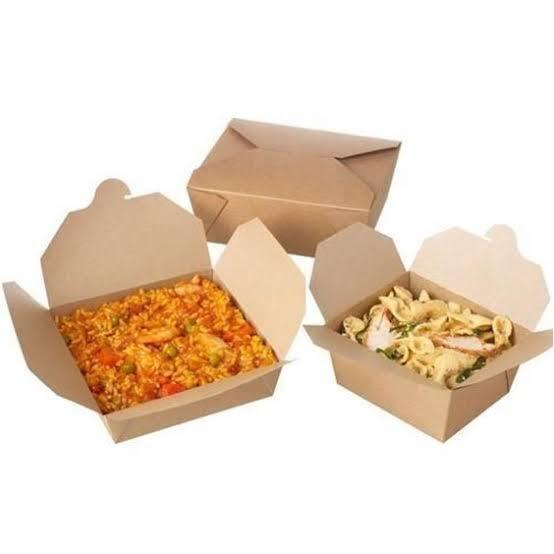
Fast food businesses serve many customers every day. Because food is prepared and served quickly, there is little room for mistakes. Good food safety practices help protect customers and keep daily operations running smoothly. Clean work areas, safe food handling, and proper storage are all important parts of a safe food business.
Food packaging also plays a role in keeping meals clean after they leave the kitchen. Choosing suitable fast food boxes packaging can help protect food from dirt, dust, and unwanted contact during serving and delivery. However, safe packaging is only one part of the process. Food must be handled carefully from preparation to the moment it reaches the customer.
Keep Hands Clean
Hand hygiene is one of the simplest ways to reduce the spread of germs. Employees should wash their hands before preparing food and after touching raw meat, using the restroom, handling waste, or touching dirty surfaces.
Hands should be washed with soap and clean water. Employees should also avoid touching their face, hair, phones, or other personal items while preparing food.
Handwashing stations should be easy for workers to access. Soap and disposable paper towels should also be available at all times.
Clean Kitchen Surfaces Often
Food preparation surfaces can collect bacteria when they are not cleaned properly. Counters, cutting boards, knives, cooking tools, and other equipment should be cleaned regularly.
Cleaning should take place throughout the day, not only at closing time. Areas that come into contact with raw meat need special attention.
A clean kitchen also creates a better working environment. When employees have clear and organized work areas, they can handle food more carefully and avoid unnecessary mistakes.
Store Food at Safe Temperatures
Temperature control is a major part of food safety. Perishable foods should be stored at temperatures that help slow the growth of harmful bacteria.
Refrigerators and freezers should be checked regularly. Staff should know how to use temperature checks and report equipment problems quickly.
Hot foods should also be kept hot until they are served. Food should not be left sitting at unsafe temperatures for long periods.
Keeping a simple temperature log can help employees monitor storage and cooking conditions during busy shifts.
Separate Raw and Ready-to-Eat Foods
Raw meat, poultry, and seafood should be kept away from foods that are ready to eat. This helps prevent cross-contamination.
For example, a cutting board used for raw chicken should not be used for vegetables without proper cleaning and sanitizing first.
Restaurants can also separate raw ingredients from cooked foods in refrigerators. Raw products should be stored carefully so their juices cannot drip onto other foods.
Simple separation practices can make a big difference in keeping meals safe.
Cook Food Thoroughly
Proper cooking helps destroy many harmful bacteria that may be present in raw foods. Employees should follow safe cooking procedures and use a food thermometer when needed.
The color of meat alone is not always a reliable way to know whether it is fully cooked. A thermometer gives a better indication of the internal temperature.
Different foods may require different cooking temperatures. Staff should follow food safety guidance and the procedures used by their local health authorities.
Use Safe and Clean Packaging
Packaging comes into direct contact with food, so it should be clean and suitable for its intended use. Staff should handle containers carefully and avoid touching the inside surfaces.
Packaging should be stored in a clean, dry place. Boxes, wrappers, cups, and other supplies should be protected from dust, moisture, chemicals, and pests.
Employees should also avoid placing food packaging directly on dirty floors or other unclean surfaces. These small habits help keep the final product clean.
Train Employees Regularly
Food safety should not depend on one experienced employee. Every team member who handles food should understand basic safety procedures.
Training should cover handwashing, cleaning, food storage, temperature control, cross-contamination, and safe packaging practices.
Short training sessions can be useful when new workers join the team. Regular reminders can also help employees stay focused during busy periods.
Managers should lead by example. When supervisors follow safety rules every day, employees are more likely to take those rules seriously.
Check Food Before Serving
Before food reaches the customer, employees should check its condition and presentation. Packaging should be clean and properly closed. Food should be served at the appropriate temperature and handled carefully.
Staff should also check ingredients for signs of spoilage before using them. Products with unusual smells, colors, textures, or damaged packaging should not be served without proper evaluation.
A final check can help catch problems before they reach the customer.
Keep Waste and Pests Under Control
Waste can attract insects and other pests if it is not handled properly. Trash containers should be emptied regularly and kept away from food preparation areas when possible.
Spills should also be cleaned quickly. Food scraps should not be left on floors, counters, or equipment.
Businesses should inspect storage areas for signs of pests. Any pest problem should be handled quickly using safe and appropriate methods.
Conclusion
Food safety is a daily responsibility for every fast food business. Clean hands, safe temperatures, proper cooking, careful storage, and good packaging practices all work together to protect customers.
A clean and organized operation can also improve the overall dining experience. When a business pays attention to both safety and presentation, customers can feel more confident about the food they receive. Whether a restaurant manages packaging on its own or works with a custom box company, safety should always remain a basic part of the process.