Facts About the Best Pigmentation Treatment for Sun Damage
Posted by Asthetic health care
Filed in Health 28 views
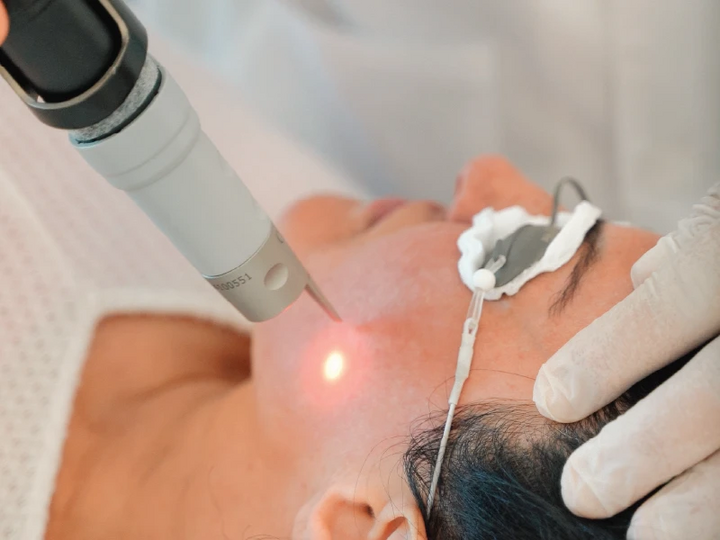
Sun exposure is one of the most common reasons for uneven skin tone, dark spots, freckles, and other forms of pigmentation. In a sunny environment such as Dubai, regular exposure to ultraviolet (UV) and visible light can make existing pigmentation more noticeable and contribute to new discoloration. Understanding the cause of pigmentation is an important first step toward choosing the Best pigmentation treatment in Dubai.
Pigmentation does not look the same for everyone. Some people develop small brown spots, while others experience larger patches associated with melasma or pigmentation left behind after inflammation. Because different conditions can require different approaches, professional assessment can help determine the most appropriate treatment plan.
What Is Sun-Induced Pigmentation?
Sun-induced pigmentation occurs when skin produces more melanin in response to light exposure. Melanin is the natural pigment responsible for skin color and helps protect the skin from UV radiation. With repeated exposure, pigment production can become uneven, resulting in darker areas.
Common examples include:
- Sun spots or solar lentigines
- Freckles
- Uneven skin tone
- Melasma made more noticeable by sunlight
- Dark patches following skin inflammation
Sunlight can also worsen pigmentation that already exists. For this reason, treating discoloration without addressing ongoing sun exposure may make it difficult to achieve consistent results.
Fact 1: Not All Pigmentation Is the Same
One of the most important facts about pigmentation treatment is that there is no single procedure suitable for every type of discoloration.
Pigmentation may be located closer to the surface of the skin or deeper within the skin. A professional assessment can help determine whether the discoloration is more consistent with sun spots, melasma, post-inflammatory hyperpigmentation, or another condition.
For example, melasma can be influenced by sunlight, visible light, hormones, medications, and other triggers. Treatment therefore often involves a combination of approaches rather than relying on one procedure.
Fact 2: Sun Protection Is Part of Pigmentation Treatment
Even an effective pigmentation procedure can have limited long-term results if the skin continues to receive significant sun exposure.
Dermatologists commonly recommend broad-spectrum sunscreen with SPF 30 or higher, along with shade, protective clothing, and other sun-protection habits. For pigmentation concerns, tinted sunscreens containing iron oxide can provide additional protection against visible light, which can contribute to skin darkening.
For people living in Dubai, making sun protection part of a daily skincare routine can be especially practical because outdoor exposure can occur throughout the year.
Helpful habits include:
- Applying broad-spectrum sunscreen every morning
- Reapplying when spending extended periods outdoors
- Wearing a wide-brimmed hat when appropriate
- Seeking shade during intense sunlight
- Using sunglasses and protective clothing
- Considering a tinted sunscreen containing iron oxide
Fact 3: Topical Treatments May Help Fade Pigmentation
Depending on the type and severity of pigmentation, topical products may form part of a treatment plan. Ingredients used for hyperpigmentation can include vitamin C, azelaic acid, retinoids, hydroquinone, kojic acid, cysteamine, and other pigment-modulating ingredients.
However, stronger pigmentation products should not automatically be considered better. Some ingredients can cause irritation when used incorrectly, and irritation itself may contribute to darker marks, particularly in skin that is prone to post-inflammatory hyperpigmentation.
A carefully selected routine is therefore more useful than simply adding multiple active ingredients.
Fact 4: Chemical Peels Can Target Surface Pigmentation
Chemical peels are another option that may be considered for certain pigmentation concerns. They work by applying a chemical solution that removes damaged surface skin cells and encourages the skin to develop a more even appearance.
Some superficial peels can be used for concerns such as sun-related pigmentation, freckles, melasma, and uneven skin tone. However, the type and strength of the peel should be selected according to the individual's skin type and pigmentation condition.
This is particularly important for people with darker skin tones because excessive irritation or injury can sometimes trigger post-inflammatory pigmentation.
Fact 5: Laser and Light Treatments Require Careful Selection
Laser and light-based procedures may be considered for certain forms of pigmentation, including some superficial sun spots. Different technologies target pigment in different ways, so the choice should depend on the specific pigmentation, skin type, and treatment goals.
While these procedures can produce noticeable improvement in selected cases, they are not risk-free. Laser and light treatments can sometimes cause additional pigmentation, especially when the skin becomes inflamed after treatment.
For this reason, choosing the Best pigmentation treatment in Dubai should involve assessment rather than selecting a procedure simply because it is popular.
Fact 6: Melasma Needs a Different Approach
Melasma is often mistaken for ordinary sun spots, but it can be more persistent. It usually appears as brown or grayish patches, commonly on areas such as the cheeks, forehead, nose, or upper lip.
Sun protection is a major part of melasma management. Depending on the individual, treatment may also involve topical medications and carefully selected procedures. The American Academy of Dermatology notes that melasma often requires a personalized approach based on skin tone, pigment depth, and potential triggers.
Aggressive treatment is not necessarily better. In some cases, irritation can worsen discoloration, making a gradual and carefully monitored approach more appropriate.
Fact 7: Results Usually Take Time
Pigmentation rarely disappears overnight. The time required for improvement depends on the cause, depth of pigment, skin type, treatment approach, and consistency with aftercare.
Some superficial dark spots may gradually fade with appropriate sun protection and skincare, while deeper pigmentation can take considerably longer.
Consistency is therefore essential. Following the recommended skincare routine and protecting the skin from sunlight can support the progress achieved through professional treatment.
How to Choose the Right Pigmentation Treatment
Rather than looking for one universal solution, consider the following factors:
- Type of pigmentation: Determine whether the concern is sun spots, melasma, post-inflammatory pigmentation, or another condition.
- Skin tone: Treatment approaches may need to be adjusted for darker skin because irritation can trigger additional pigmentation.
- Pigment depth: Surface pigmentation may respond differently from deeper discoloration.
- Sun exposure: Continued exposure can contribute to recurrence or worsening.
- Skin sensitivity: A treatment should suit the skin's tolerance and current condition.
- Aftercare: Proper sunscreen use and gentle skincare can be important parts of maintaining results.
A qualified skin professional can assess these factors and develop a treatment strategy suited to the individual.
Maintaining Results After Treatment
Treating pigmentation is only part of the process. Maintaining the improvement requires ongoing protection and sensible skincare.
Avoid harsh scrubbing, introduce active ingredients carefully, and follow post-treatment instructions when undergoing a professional procedure. Most importantly, continue daily sun protection even when pigmentation appears to have improved.
Sun protection can help reduce new pigmentation and support the fading of existing dark spots.
Final Thoughts
Sun damage can leave behind stubborn pigmentation, but understanding its cause makes treatment more targeted. From daily sunscreen and topical skincare to chemical peels and selected laser or light procedures, several approaches may be considered depending on the individual's skin and pigmentation type.
The Best pigmentation treatment in Dubai is not necessarily the most aggressive option. A personalized approach that identifies the type of pigmentation, considers skin tone and sensitivity, and combines appropriate treatment with consistent sun protection can provide a more sensible path toward a clearer and more even-looking complexion.