Can Morpheus8 Treatment Improve Acne Scars?
Posted by Asthetic health care
Filed in Health 16 views
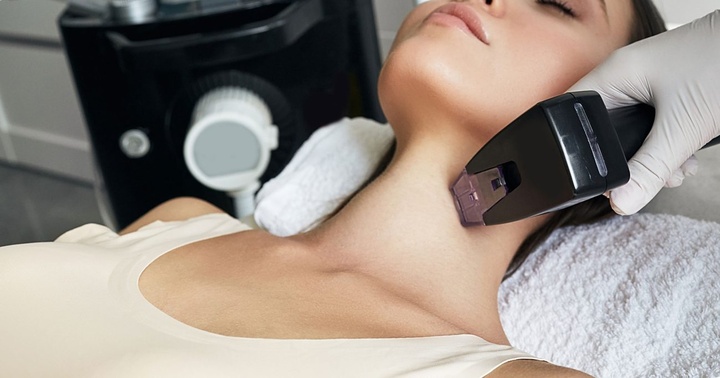
Acne may eventually clear, but the marks and scars it leaves behind can remain for years. Uneven texture, shallow depressions, enlarged pores, and changes in skin tone can make the complexion look less smooth even after active breakouts have stopped. Fortunately, modern aesthetic treatments offer several options for improving the appearance of acne scars.
One treatment that has gained attention for this purpose is Morpheus8 Treatment Dubai, a radiofrequency microneedling procedure designed to deliver controlled energy into the deeper layers of the skin. By combining microneedling with radiofrequency energy, the treatment aims to encourage collagen remodeling and improve skin texture.
But can Morpheus8 actually improve acne scars? The available evidence suggests that fractional radiofrequency microneedling can be helpful, particularly for atrophic acne scars, although results vary depending on scar type, severity, skin characteristics, and treatment settings.
How Does Morpheus8 Work on Acne Scars?
Morpheus8 uses tiny needles to create controlled micro-injuries in the skin while delivering radiofrequency energy beneath the surface. This combination is intended to stimulate the skin's natural healing response.
As the skin repairs itself, collagen and elastin remodeling can gradually improve the appearance of uneven texture. Unlike treatments that only work at the surface, radiofrequency microneedling can target deeper layers of the skin.
Research into fractional radiofrequency microneedling has found promising results for acne scarring. A 2025 systematic review of 16 studies involving 481 patients concluded that fractional radiofrequency microneedling is likely to be effective as a standalone treatment for acne scars, while noting that more research is needed to establish standardized treatment parameters.
Which Acne Scars Can Morpheus8 Improve?
Morpheus8 is particularly relevant to atrophic acne scars, which appear as depressions or indentations in the skin. These scars develop when acne-related inflammation damages collagen beneath the skin.
Common types include:
- Rolling scars: Broad, shallow depressions that give the skin a wavy appearance.
- Boxcar scars: More defined depressions with relatively sharp edges.
- Some shallow ice-pick scars: Deep, narrow scars may require specialized treatment, but certain superficial forms may respond to collagen-remodeling procedures.
The treatment may also improve overall skin texture and the appearance of enlarged pores that can accompany acne scarring.
However, not every scar responds in exactly the same way. Deep or tethered scars may require a combination approach, such as subcision or another scar-specific procedure, rather than relying on radiofrequency microneedling alone.
What Does the Research Say?
Clinical research provides encouraging evidence for fractional radiofrequency treatments. A 2024 real-world study involving 126 patients with facial atrophic acne scars found that all patients showed improvement following fractional microneedle radiofrequency treatment, with greater improvement generally associated with additional treatment sessions.
Earlier research involving patients with Asian skin types also reported meaningful improvement following a series of fractional radiofrequency microneedling treatments. The study included many participants with Fitzpatrick skin types III–V, making the findings relevant when considering treatment across a range of skin tones.
A meta-analysis comparing fractional radiofrequency with laser treatments also found that radiofrequency was broadly comparable to lasers for atrophic acne scars. The analysis reported a lower incidence of post-inflammatory hyperpigmentation and shorter-lasting erythema with fractional radiofrequency compared with laser treatment.
More recent research continues to explore the comparison. A 2026 randomized study found that both radiofrequency microneedling and fractional CO₂ laser improved facial atrophic acne scars, while radiofrequency microneedling was associated with a faster recovery and fewer pigment-related events in that particular study.
Can Morpheus8 Completely Remove Acne Scars?
It is important to have realistic expectations. Morpheus8 is better described as a treatment that can reduce the visibility of acne scars and improve skin texture, rather than completely erase every scar.
The degree of improvement depends on several factors, including:
- The depth and type of acne scars
- How long the scars have been present
- Skin type and pigmentation
- The treatment depth and energy settings
- The number of sessions performed
- How well the skin responds to collagen remodeling
- Whether other scar treatments are needed
Some people may notice smoother-looking skin after a treatment course, while deeper scars may remain partially visible.
How Many Treatments May Be Needed?
Acne scar remodeling is usually a gradual process. Collagen production and restructuring do not happen overnight, so improvements can continue to develop after treatment.
Research supports the use of multiple sessions in many cases. In the 2024 study of fractional microneedle radiofrequency, patients receiving more than three sessions tended to have better outcomes than those receiving three or fewer.
The appropriate number of sessions should therefore be determined individually rather than following a fixed schedule for everyone.
Is Morpheus8 Suitable for Different Skin Types?
One reason radiofrequency microneedling attracts interest is its potential suitability for a broad range of skin tones. Unlike certain laser treatments, fractional radiofrequency delivers thermal energy through insulated or semi-insulated needles into targeted skin layers rather than relying entirely on surface heating.
This can be particularly relevant for people concerned about post-inflammatory hyperpigmentation. Research has reported favorable pigmentary safety with radiofrequency microneedling, although pigmentation changes can still occur and individual risk varies.
Anyone considering Morpheus8 Treatment Dubai should still have their skin assessed beforehand, especially if they are prone to pigmentation or have recently experienced active inflammation.
What Is Recovery Like?
Following treatment, temporary redness, swelling, sensitivity, or a warm sensation may occur. These effects generally settle as the skin recovers.
Recovery can vary depending on treatment intensity and individual skin response. Some patients experience mild visible changes for several days, while others may take longer to return fully to their normal appearance.
Following aftercare instructions is important. Protecting the skin from excessive sun exposure and using appropriate skincare can help support recovery and reduce unnecessary irritation.
Morpheus8 vs. Other Acne Scar Treatments
There is no single acne scar treatment that works perfectly for every person. Depending on the scar pattern, a treatment plan may include radiofrequency microneedling, laser resurfacing, conventional microneedling, subcision, chemical treatments, or combinations of these approaches.
A systematic review of acne scar management found that fractional lasers and radiofrequency can provide significant improvement in many atrophic scars, while combination treatments may offer better results than using one technique alone in selected cases.
This is why a personalized assessment is more useful than choosing a treatment based solely on its popularity.
Choosing Morpheus8 Treatment in Dubai
Dubai's aesthetic treatment market offers access to a wide range of advanced skin procedures. If you are considering Morpheus8 Treatment Dubai for acne scars, focus on receiving an appropriate skin assessment and understanding what the treatment can realistically achieve.
A proper consultation should consider your scar type, skin tone, current skincare routine, history of acne, and previous treatments. It is also important to discuss whether active acne needs to be controlled before focusing on scar remodeling.
Final Thoughts
So, can Morpheus8 improve acne scars? Yes, evidence suggests that radiofrequency microneedling can improve the appearance of many atrophic acne scars and create smoother, more even-looking skin. Its combination of microneedling and controlled radiofrequency energy makes it a useful option for collagen remodeling.
However, results are gradual and individual. Deep, tethered, or highly defined scars may require additional procedures, while several treatment sessions may be recommended for more noticeable improvement.
For people exploring Morpheus8 Treatment Dubai, the best approach is to seek an individualized assessment and choose a treatment plan based on the type and severity of the acne scars rather than expecting one procedure to eliminate every mark completely.