Signs Your Pool Surface Needs a Deep Clean
Posted by Skimmers Pool Service
Filed in Business 21 views
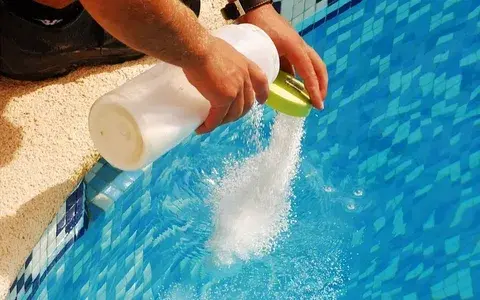
You know your pool better than anyone. So when the water looks clean but the walls, steps, or floor still look dull, stained, or slightly rough, it is easy to wonder what you are missing.
This is a common frustration for homeowners in Gilbert. Arizona's heat, dust, intense sunlight, and frequent pool use can leave their mark on pool surfaces over time. Regular skimming and brushing may keep everyday debris under control, but some buildup becomes much harder to remove.
When ordinary cleaning is no longer enough, homeowners may need to consider Pool Acid Washing as part of a deeper surface-cleaning approach.
What Is a Deep Pool Surface Cleaning?
A deep surface cleaning goes beyond removing leaves or vacuuming visible dirt. It focuses on buildup and discoloration that have become attached to the pool's interior surfaces.
Professional acid washing uses a carefully controlled process to remove certain stubborn stains and surface buildup. Because acid is a hazardous chemical, this type of work should be performed by trained professionals who understand safe handling, proper preparation, and the limitations of the process.
It is not automatically the right choice for every pool. The condition and type of surface should be evaluated first.
Real Signs Your Pool Needs More Than Routine Cleaning
Not every stain means your pool needs an acid wash. However, certain changes can tell you that routine maintenance may no longer be doing enough.
Persistent Stains That Keep Returning
Brown, gray, greenish, or rust-colored stains can become difficult to remove through ordinary brushing.
If you have already cleaned the pool several times and the discoloration remains, the issue may involve mineral deposits, algae staining, or other buildup attached to the surface.
A Dull or Discolored Appearance
A pool can technically be clean while still looking tired. Over time, repeated exposure to water, chemicals, sunlight, and environmental debris can affect how bright the surface appears.
If your pool no longer has the fresh appearance it once had, a professional evaluation can help determine whether deep cleaning is appropriate.
Rough Spots Under Your Feet
Run your hand or foot carefully across an accessible pool surface. If an area feels noticeably rough compared with the rest of the pool, deposits may have accumulated there.
Do not assume every rough patch should be chemically treated. The underlying cause matters, particularly when dealing with plaster, pebble, tile, or another specialized pool finish.
Stains Around Steps and Waterlines
Steps, corners, and waterline areas often receive less attention during quick cleanups. They can collect deposits that become increasingly noticeable over time.
These areas are also highly visible, so even a relatively small amount of buildup can make the entire pool appear less maintained.
Why Gilbert Pools Can Develop Surface Buildup
Gilbert's desert environment creates some unique challenges for pool owners. Long periods of sunshine, high temperatures, dry conditions, and airborne dust can all contribute to the amount of maintenance an outdoor pool needs.
Water evaporation is another factor. As water evaporates, minerals and dissolved substances remain behind. Over time, repeated evaporation and refilling can contribute to deposits accumulating on pool surfaces.
Homes around Power Ranch, Val Vista Lakes, Agritopia, and Morrison Ranch experience the same general desert conditions, even though each backyard has its own landscaping, pool design, and maintenance routine.
Nearby outdoor spaces such as the Riparian Preserve at Water Ranch also reflect the distinctive environment Gilbert residents live in. Keeping a pool looking its best requires attention to both the water and the surface underneath it.
When Regular Cleaning Is Not Enough
Routine maintenance remains essential, but there is a difference between cleaning debris and addressing stubborn surface buildup.
Regular cleaning generally focuses on tasks such as:
- Removing leaves and insects
- Brushing pool walls
- Vacuuming the floor
- Cleaning baskets
- Monitoring water chemistry
- Maintaining circulation
- Removing visible debris
A deep cleaning process addresses a different type of problem. If stains remain despite consistent maintenance, a professional can inspect the surface and determine whether another cleaning method or repair is more suitable.
That distinction matters because using an aggressive treatment when it is unnecessary can potentially shorten the life of certain pool finishes.
How Professionals Evaluate the Pool Surface
Before any chemical treatment is considered, the pool should be evaluated carefully.
Step 1: Identify the Surface Type
Pool finishes can vary considerably. Plaster, pebble finishes, tile, fiberglass, and other materials do not all respond to cleaning methods in the same way.
Knowing what the pool is made of helps determine which methods are appropriate.
Step 2: Examine the Staining
A professional should look at the color, location, size, and pattern of the stains.
Different types of discoloration can have different causes. Mineral deposits, organic staining, chemical imbalance, and surface deterioration may require completely different solutions.
Step 3: Check Overall Surface Condition
A deep cleaning is not a substitute for repairing a deteriorating pool surface.
If the finish is already badly worn, chipped, or damaged, aggressive cleaning may not provide the result the homeowner expects. The condition of the surface should be considered before proceeding.
Step 4: Discuss the Appropriate Treatment
Once the situation is understood, the homeowner should receive a clear explanation of the recommended approach.
A trustworthy professional should explain why a particular treatment is being suggested rather than simply recommending the strongest available option.
How Skimmers Pool Service Can Help
When a pool has stubborn discoloration or surface buildup, homeowners often want the process handled without having to experiment with harsh chemicals themselves.
A professional pool service can evaluate the condition, identify areas that need extra attention, and determine whether deep cleaning is suitable for the pool's particular surface.
A proper service approach may include:
- Inspecting visible stains and deposits
- Assessing the pool's surface condition
- Considering the type of pool finish
- Discussing appropriate cleaning options
- Preparing the pool for professional treatment
- Handling chemical products safely
- Completing the cleaning process carefully
- Providing maintenance guidance afterward
The goal is not simply to make the pool look different for a few days. The right approach should consider the surface, the cause of the buildup, and how the homeowner can maintain the improved condition afterward.
What Homeowners Should Avoid Doing
It is understandable to want to fix a stained pool as quickly as possible. However, some do-it-yourself approaches can create more problems.
Avoid pouring strong chemicals into the pool without knowing what caused the stain. Using the wrong concentration or treatment method can damage surfaces, affect water chemistry, or create safety concerns.
Homeowners should also avoid aggressive scrubbing with unsuitable tools. A pool finish can be damaged when excessive force or an abrasive material is used on the wrong surface.
If a stain has resisted normal cleaning, getting professional advice is often a safer starting point than trying increasingly harsh treatments.
Finding the Right Local Service
When homeowners search for Pool Acid Washing Near Me, convenience is usually one reason. But proximity should not be the only consideration.
Look for a service provider that is willing to inspect the pool and explain the recommended process. Clear communication is especially important when chemical treatments and delicate pool surfaces are involved.
If you are specifically searching for Pool Acid Washing Gilbert AZ, ask whether the provider understands local conditions and can explain what type of treatment is appropriate for your pool.

Questions Worth Asking
Before approving service, consider asking:
- What is causing the staining?
- Is deep cleaning actually necessary?
- What type of pool finish do I have?
- Could the treatment affect the surface?
- What preparation is required?
- What safety precautions are being taken?
- What maintenance should follow the treatment?
- What will the service cost?
Straight answers to these questions can help homeowners feel more comfortable about the work being performed.
Trust Matters When Chemicals Are Involved
Pool owners should never feel pressured into approving a treatment they do not understand.
A professional provider should communicate clearly about the work, explain relevant safety considerations, and provide pricing information before beginning major service whenever possible.
Good customer care also means respecting the homeowner's property and leaving the work area in an orderly condition.
For ongoing pool care, reliability matters just as much as technical knowledge. A service provider who communicates well and pays attention to small changes can help homeowners stay ahead of future maintenance concerns.
How to Keep Your Pool Surface Looking Better
Deep cleaning should not replace regular maintenance. Once the surface has been professionally cleaned, consistent care can help preserve the result.
Keep debris from sitting on the pool floor for extended periods. Brush appropriate surfaces regularly, maintain proper water chemistry, and keep an eye on areas where deposits tend to form.
It also helps to watch for changes rather than waiting until staining becomes severe. A small discoloration is much easier to investigate than a large area of persistent buildup.
FAQ: Pool Surface Deep Cleaning
Q 1. How do I know if my pool needs an acid wash?
Ans: Persistent stains, discoloration, mineral buildup, and a dull-looking surface may indicate that routine cleaning is no longer enough. A professional should evaluate the pool first.
Q 2. Can every pool surface be acid washed?
Ans: No. Different pool finishes have different care requirements, so the surface type and condition should be evaluated before chemical treatment.
Q 3. Can I acid wash my pool myself?
Ans: DIY acid washing carries significant chemical and surface-safety risks. Professional handling is recommended for this type of treatment.
Q 4. Will acid washing remove every pool stain?
Ans: Not necessarily. Results depend on the type of stain, the pool surface, and the underlying condition. Some stains may require another treatment or repair.
Q 5. How often should a pool be deeply cleaned?
Ans: There is no universal schedule. The appropriate frequency depends on the pool's surface, water chemistry, maintenance history, environmental conditions, and staining.
Q 6. Does Gilbert's climate affect pool surface buildup?
Ans: Yes. Heat, evaporation, dust, and mineral concentration can contribute to deposits and surface discoloration over time.
Conclusion
A pool does not have to look severely dirty before it needs professional attention. Persistent stains, rough areas, dull surfaces, and buildup around steps or waterlines can all be signs that ordinary cleaning is no longer enough.
For Gilbert homeowners, keeping an eye on these changes can help protect the appearance and condition of the pool. Just as importantly, choosing the right treatment for the specific surface can prevent unnecessary chemical or physical damage.
If your pool has stubborn discoloration that regular maintenance cannot resolve, Skimmers Pool Service can help you evaluate the condition and determine the appropriate next step. When professional deep cleaning is suitable, Pool Acid Washing can be part of a careful process for restoring a cleaner, brighter-looking pool surface.
Do not let persistent stains take away from an otherwise enjoyable backyard. Get the pool assessed, understand your options, and give your swimming area the care it needs to stay inviting for the seasons ahead.