Paper to PDF Conversion and Digital Archiving for Modern Records
Posted by Access Scanning Document Services
Filed in Other 51 views
Why Businesses Are Moving From Paper to Digital Records
A crowded filing cabinet can hide important information behind folders, labels, and years of accumulated paperwork. Finding one document may require significant time, particularly when records are stored across multiple locations. Converting paper documents into digital files provides a practical way to improve accessibility while reducing dependence on physical storage. Digital records can be searched, organized, backed up, and accessed by authorized users according to organizational policies. The goal of modern document conversion is not simply to create electronic copies but to establish reliable records that remain useful for daily operations, reference, and long-term preservation.
Turning Physical Documents Into PDF Files
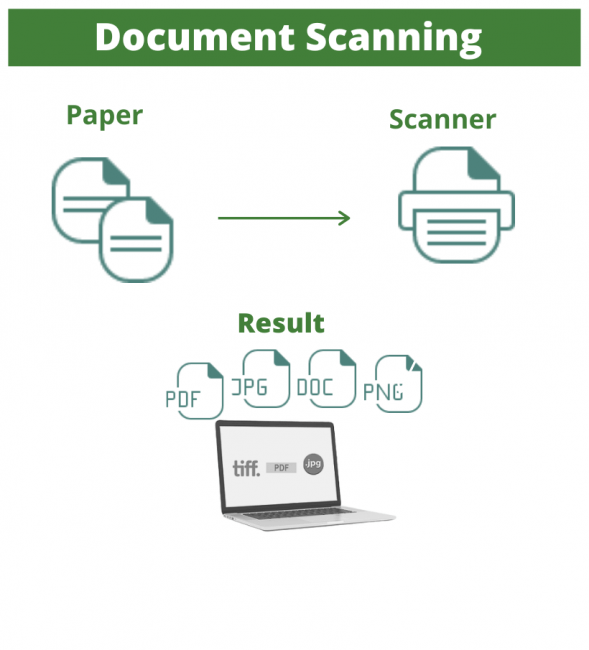
PDF files are widely used because they can preserve the appearance and structure of documents across compatible devices and systems. Paper to PDF Conversion Services can transform contracts, invoices, reports, forms, correspondence, and other paper records into electronic PDF documents. Depending on project requirements, files can be created with appropriate resolution, orientation, and organization. Optical character recognition may also be applied to suitable documents, making printed content searchable. Converting paper into standardized digital files can simplify storage and retrieval while reducing the need to handle physical documents repeatedly during everyday business activities.

Creating an Organized Digital Filing System
Digital conversion becomes more useful when files are organized consistently. Documents can be arranged according to departments, clients, dates, projects, document types, or other categories relevant to an organization. File naming standards can make individual records easier to identify, while indexing can provide additional information for locating documents. A consistent structure is particularly important when thousands of pages are converted. Without proper organization, a large digital collection can become as difficult to navigate as a crowded filing cabinet. Planning the digital structure before scanning begins can help create a more practical and manageable electronic archive.
Preserving Records Through Digital Archiving
Paper documents can deteriorate because of age, moisture, light exposure, handling, or unsuitable storage conditions. Document Scanning and Digital Archiving can create digital representations of important records while reducing unnecessary handling of physical originals. Business records, historical materials, photographs, reports, and other documents can be organized into digital collections according to their purpose and retention requirements. Digital copies do not necessarily replace originals, particularly when physical records have legal or historical significance. Instead, archiving provides another way to access information while helping preserve the content for future reference and reducing reliance on physical handling.
Improving Searchability and Information Retrieval
A digital archive becomes more valuable when users can quickly find specific information. Optical character recognition can make printed text searchable within compatible files, allowing authorized users to search for names, dates, phrases, or other terms. Indexing and metadata can provide additional ways to locate records based on categories or descriptive information. These features can save time when managing large collections because users do not need to open every file individually. Searchability can be especially useful for businesses that regularly reference contracts, customer records, financial documents, project files, or administrative information.
Reducing Physical Storage Requirements
Paper records can require filing cabinets, storage rooms, shelves, and boxes, especially when organizations retain documents for many years. Digital conversion can reduce the physical storage needed for records that are suitable for electronic management. Digital files can be maintained on approved storage systems while original documents are retained when required. Reducing physical storage can also make office areas easier to organize and manage. However, organizations should review applicable retention policies before disposing of original records. Some documents may need to remain in physical form because of legal, regulatory, historical, or operational considerations.
Protecting Confidential Digital Information
Paper records may contain financial details, client information, business agreements, personal information, or proprietary materials. Once converted into digital files, these records should be protected through appropriate access controls and storage procedures. Permissions can limit sensitive information to authorized users, while secure backups can help protect against accidental deletion or technical failures. File transfers should also be handled carefully when confidential materials are involved. Security requirements can differ between organizations, so document conversion projects should consider the nature of the information being processed. A secure archive balances convenient access with responsible protection of sensitive records.
Maintaining Quality During Document Conversion
High-quality digital files depend on accurate scanning and careful review. Documents may vary in size, condition, color, paper quality, and orientation, requiring different scanning settings. Quality control can identify missing pages, unclear images, incorrect orientation, or incomplete files before the project is finalized. For large collections, reviewing samples throughout the process can help identify recurring issues early. Appropriate resolution should preserve important details without unnecessarily creating excessively large files. Careful preparation and verification can help ensure that digital PDFs remain readable, complete, and suitable for business reference, research, storage, or authorized sharing.
Building a Long-Term Digital Record Strategy
Digital archiving provides greater value when it is supported by a long-term information management plan. Organizations can establish standards for file naming, metadata, storage locations, backups, access permissions, and retention periods. Periodic reviews can help confirm that important files remain accessible as technologies and storage systems change. A structured archive can also make it easier to add new documents without disrupting existing records. For organizations seeking professional paper conversion and digital archiving assistance, Access Scanning Document Services provides solutions for different document types and recordkeeping requirements. A carefully planned approach can improve accessibility while helping preserve valuable information for future operational and archival needs.
Social Media Details
https://www.facebook.com/AccessScanning/
https://www.instagram.com/accessscanning
https://www.linkedin.com/company/access-scanning-&-copying-document-services/?viewAsMember=true