Foam Roofing in Nashville, TN: Benefits, Applications, and Maintenance
Posted by Glick Roofing Systems
Filed in Other 50 views
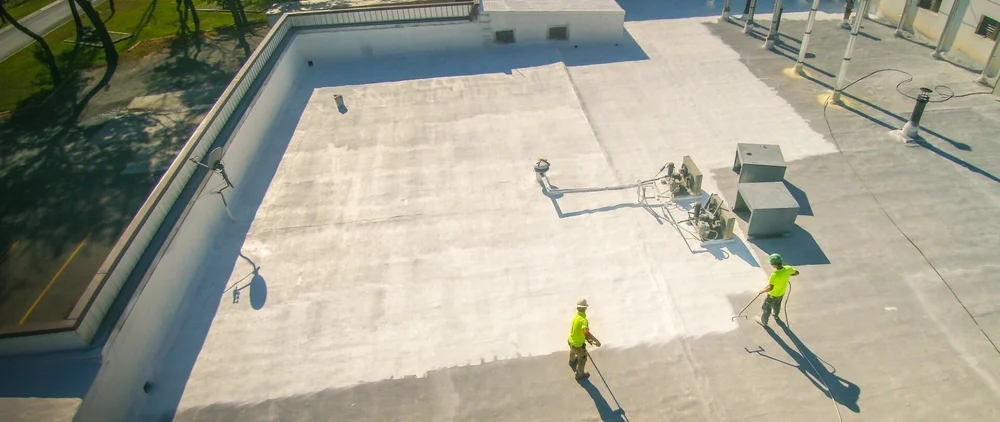
Commercial property owners need roofing systems that can provide dependable protection while addressing the challenges of flat and low-slope roofs. Foam roofing in Nashville, TN is one option that can provide a seamless surface, insulation, and protection against moisture when properly designed and installed.
Spray polyurethane foam (SPF) roofing is applied as a liquid and expands to form a continuous layer across the roof surface. A protective coating is then applied over the foam to help protect it from UV exposure, weather, and physical wear.
What Is Foam Roofing?
Foam roofing is a roofing system made primarily from spray polyurethane foam. During installation, two liquid components are mixed and sprayed onto the prepared roof surface. The material expands and cures, creating a lightweight layer that can conform to the existing roof structure.
Unlike roofing systems that rely on numerous seams and joints, SPF can create a continuous surface around many roof penetrations and transitions. This makes it useful for certain commercial buildings where conventional roofing details may be difficult to maintain.
How Does Spray Foam Roofing Work?
The installation process generally begins with cleaning and preparing the existing roof surface. Any damaged areas or conditions that could affect adhesion need to be addressed before the foam is applied.
The SPF is then sprayed across the roof at the required thickness. Once it expands and cures, a protective coating is installed over the foam. The coating serves as an important part of the system because it helps protect the foam from sunlight, moisture, and weather exposure.
The final system can provide both roofing and insulation properties, although performance depends heavily on proper design, materials, application, and maintenance.
What Are the Benefits of Foam Roofing?
Foam roofing can provide several potential benefits for commercial property owners.
Seamless Roof Surface
One of the main characteristics of SPF roofing is its seamless application. The foam can cover large areas while conforming around penetrations, equipment bases, and other irregular sections of the roof.
Improved Insulation
SPF has insulating properties that can help reduce heat transfer through the roof assembly. Depending on the building and existing insulation, this may contribute to improved energy efficiency.
Lightweight System
Foam roofing is relatively lightweight compared with some traditional roofing systems. This can make it suitable for certain existing structures, although the roof assembly should always be professionally evaluated before installation.
Potential for Roof Restoration
In some situations, SPF can be applied over an existing roofing system rather than requiring a complete tear-off. Whether this approach is appropriate depends on the condition of the existing roof, moisture levels, substrate, drainage, and other factors.
Flexible Application
Because spray foam expands during application, it can be shaped around complicated roof areas. It may also be used to improve drainage in specific situations by creating tapered sections that direct water toward drains.
Is Foam Roofing Suitable for Nashville Commercial Properties?
Foam roofing may be appropriate for certain commercial buildings with flat or low-slope roofs. However, there is no single roofing system that works for every property.
Before selecting SPF roofing, property owners should consider the existing roof condition, drainage, building design, rooftop equipment, expected foot traffic, and long-term maintenance requirements.
A professional roof assessment can help determine whether foam roofing is appropriate or whether another commercial roofing system would provide a better solution.
Why Is Professional Installation Important?
Proper installation plays a major role in the performance of an SPF roofing system. The roof surface must be prepared correctly, and environmental conditions need to be suitable during application.
Incorrect application can result in inconsistent foam thickness, poor adhesion, moisture problems, or premature deterioration. The protective coating must also be properly selected and applied because exposed foam can deteriorate when subjected to prolonged UV exposure.
Glick Roofing Systems helps commercial property owners evaluate roofing conditions and determine appropriate solutions based on the building's existing roof and specific requirements.
How Should Foam Roofing Be Maintained?
Regular maintenance can help extend the service life of a foam roofing system. Property owners should arrange periodic professional inspections and monitor the roof for signs of damage or deterioration.
Maintenance should include checking the protective coating, drainage systems, roof penetrations, flashing, and areas around rooftop equipment. Drains and other drainage paths should remain clear so water does not accumulate unnecessarily.
Physical damage should also be addressed promptly. Punctures caused by maintenance activities, equipment work, or foot traffic can compromise the roofing system if they are left unrepaired.
How Long Can Foam Roofing Last?
The lifespan of a foam roofing system depends on factors such as installation quality, coating type, weather exposure, maintenance, and the amount of traffic on the roof.
The protective coating typically requires periodic maintenance and may need to be renewed as it wears. Regular inspections can help identify when recoating or localized repairs are necessary.
Rather than focusing only on the expected lifespan, property owners should consider the complete maintenance requirements of the roofing system when evaluating long-term costs.
Foam Roofing vs. Traditional Commercial Roofing
Foam roofing differs from systems such as single-ply membranes, modified bitumen, and built-up roofing. Each system has different installation methods, materials, maintenance requirements, and performance characteristics.
SPF may be particularly useful when a seamless surface or additional insulation is desirable. However, factors such as existing roof conditions, budget, building use, and future maintenance should be considered before making a decision.
A professional roofing assessment allows property owners to compare available options based on the actual needs of their building.
Frequently Asked Questions About Foam Roofing
Is foam roofing good for commercial buildings?
Foam roofing can be a suitable option for certain commercial buildings, particularly those with flat or low-slope roofs. Suitability depends on the existing roof condition, drainage, substrate, building design, and installation requirements.
Does foam roofing help with insulation?
Yes. Spray polyurethane foam provides insulation because of its closed-cell structure. Its insulating performance depends on the thickness and quality of the application as well as the overall building envelope.
Can foam roofing be installed over an existing roof?
In some cases, SPF can be installed over an existing roofing system. However, the existing roof must first be inspected to determine whether it is structurally sound, sufficiently dry, and suitable for a restoration application.
Does foam roofing prevent leaks?
A properly installed and maintained foam roofing system can help reduce moisture intrusion because it creates a continuous surface with fewer seams. However, no roofing system is completely maintenance-free, and damage or coating deterioration can eventually lead to leaks.
How often should a foam roof be inspected?
Commercial property owners should schedule regular professional inspections. Additional inspections may be appropriate after severe weather, major maintenance work, or events that could physically damage the roof.
Does foam roofing require maintenance?
Yes. The protective coating, drainage system, penetrations, and roof surface should be inspected regularly. Damaged areas and deteriorated coatings should be addressed promptly to protect the underlying foam.
Conclusion
Foam roofing in Nashville, TN can provide commercial property owners with a seamless roofing surface, insulation benefits, and a potential restoration option for qualifying buildings. However, its performance depends on proper roof evaluation, installation, protective coating, and ongoing maintenance.
Before selecting foam roofing, property owners should have their existing roof professionally evaluated and compare the available commercial roofing systems based on the building's condition, use, drainage, budget, and long-term maintenance needs.
Working with an experienced commercial roofing professional can help ensure that the selected system is properly designed, installed, and maintained for the property's specific requirements.