How Fast Should Water Damage Be Repaired to Prevent Mold?
Posted by Adam K
689 views
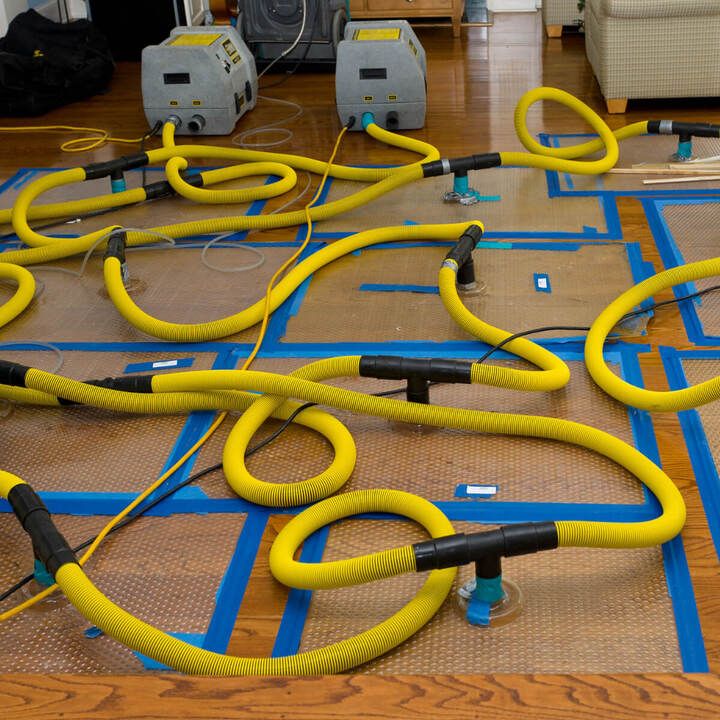
Water damage is one of those problems that looks small at first but can turn serious very quickly. A minor leak, flooding, or burst pipe can lead to mold growth, structural damage, and health risks if not handled on time. Many homeowners ask the same question after a water emergency: How fast should water damage be repaired to prevent mold?
The simple answer is immediately. Mold can start growing within 24 to 48 hours after water exposure. That short window makes fast action critical. In this guide, you’ll learn how quickly water damage needs attention, why delays are risky, and how professional Water Damage Restoration in NJ helps protect your home and health.
Why Speed Matters After Water Damage
Water spreads faster than most people realize. It seeps into floors, walls, insulation, and even the foundation. What looks like a wet carpet today can turn into moldy drywall tomorrow.
Mold spores are always present in the air. When moisture stays trapped, those spores activate and begin growing. Once mold spreads, cleanup becomes more expensive and more invasive.
Quick response helps:
- Stop mold growth before it starts
- Prevent structural weakening
- Reduce repair costs
- Protect indoor air quality
- Avoid long-term health issues
This is why professional water damage cleanup services stress rapid response.
How Quickly Does Mold Start Growing?
Mold does not wait weeks to appear. Under the right conditions, it grows fast.
Here’s a general timeline most water damage professionals follow:
0–24 Hours:
Water spreads into porous materials like carpet, drywall, wood, and furniture. At this stage, damage is mostly moisture-related.
24–48 Hours:
This is the danger zone. Mold spores begin attaching to wet surfaces and start growing, especially in dark and humid areas.
48–72 Hours:
Visible mold colonies may appear. Odors develop, and materials like drywall and insulation can become permanently damaged.
After 72 Hours:
Mold spreads deeper into building materials. Structural repairs and professional mold remediation are often required.
This timeline clearly shows why Water Damage Restoration in NJ should begin as soon as possible.
What Types of Water Damage Are Most Urgent?
Not all water damage is the same. The source of the water plays a big role in how fast action is needed.
Clean Water Damage
This comes from sources like broken pipes, rain leaks, or appliance malfunctions. Even though the water is clean, mold can still grow quickly if drying is delayed.
Gray Water Damage
This includes water from washing machines, dishwashers, or sinks. It contains contaminants and increases mold and bacteria risks.
Black Water Damage
This is the most dangerous type. It includes sewage backups, floodwater, or storm surge. Immediate professional cleanup is required due to health hazards.
Regardless of the category, fast water damage repair is essential to prevent mold and further damage.
Signs That Water Damage Is Becoming a Mold Problem
Sometimes mold grows out of sight. By the time you see it, damage may already be advanced.
Watch for these warning signs:
- Musty or earthy smells
- Discoloration on walls or ceilings
- Peeling paint or bubbling drywall
- Warped floors or baseboards
- Increased allergy symptoms indoors
If you notice any of these signs after water exposure, immediate inspection is critical.
Why DIY Drying Is Often Not Enough
Many homeowners try to handle water damage with fans, towels, or household dehumidifiers. While this might help with surface water, it usually does not remove moisture trapped inside walls, subfloors, and insulation.
Professional water damage restoration services use:
- Industrial-grade dehumidifiers
- High-powered air movers
- Moisture detection tools
- Thermal imaging cameras
These tools locate and remove hidden moisture that DIY methods often miss. Without proper drying, mold growth can still occur even if surfaces look dry.
How Professional Water Damage Restoration Prevents Mold
Hiring a professional restoration team ensures every step is handled correctly and quickly.
The process usually includes:
Emergency Water Removal
Standing water is extracted immediately to stop further spread.
Moisture Detection
Advanced equipment finds hidden moisture behind walls and under floors.
Structural Drying
High-capacity drying systems remove moisture from all affected materials.
Sanitization and Prevention
Antimicrobial treatments help prevent mold and bacteria growth.
Damage Assessment and Repairs
Damaged materials are repaired or replaced to restore safety and structure.
This complete approach is why professional Water Damage Restoration in NJ is far more effective than surface drying alone.
How Delays Increase Costs and Health Risks
Waiting even a day or two can significantly increase restoration costs. What could have been simple drying may turn into:
- Mold remediation
- Drywall replacement
- Flooring removal
- Structural repairs
Beyond property damage, mold exposure can cause:
- Respiratory problems
- Skin irritation
- Headaches
- Asthma flare-ups
Children, elderly individuals, and people with allergies are especially vulnerable. Fast repair is not just about property, it’s about health and safety.
Insurance and Fast Water Damage Response
Many homeowners don’t realize that insurance companies often expect immediate action after water damage. Delays can sometimes affect claim approvals.
Prompt restoration helps:
- Document damage accurately
- Prevent secondary damage
- Speed up insurance claims
- Reduce out-of-pocket expenses
Professional restoration teams are experienced in working with insurance providers, which makes the process smoother for homeowners.
How Long Does Proper Water Damage Restoration Take?
The timeline depends on the severity of the damage.
- Minor water damage: 2–3 days
- Moderate damage: 3–5 days
- Severe flooding or mold risk: 5–7 days or longer
The key is starting early. The sooner restoration begins, the faster and more affordable recovery becomes.
Preventing Future Water Damage and Mold
While emergencies can’t always be avoided, some steps reduce risk:
- Fix leaks immediately
- Inspect roofs and plumbing regularly
- Keep gutters clean
- Use proper ventilation in bathrooms and kitchens
- Install water detection sensors
These steps, combined with quick professional response, greatly reduce mold risk.
Final Thoughts on Acting Fast
Water damage should never be ignored, even if it seems small. Mold can begin growing in as little as 24 hours, making fast action essential. Professional Water Damage Restoration in NJ ensures moisture is fully removed, hidden damage is addressed, and your home stays safe.
If you’re dealing with water damage and want reliable, professional help, NSH Home Services provides fast response, advanced restoration methods, and trusted expertise to protect your home from mold and long-term damage.