Key Features That Make Techemer Stand Out Among Hydro Turbine Bearings Suppliers Globally
Posted by libavef cwsgear
Filed in Other 17 views
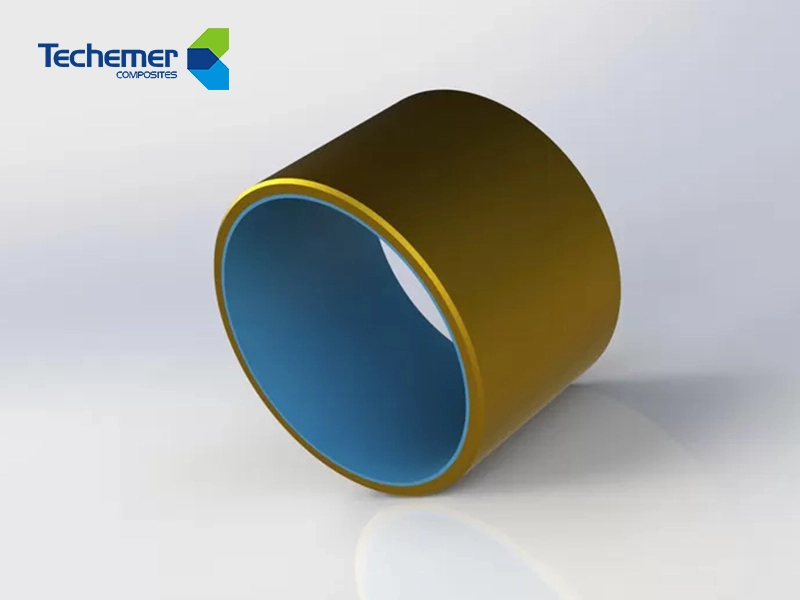
The market for turbine components is global and competitive, and many suppliers use similar language to describe their products. Terms like durable, advanced, and high-performance are everywhere, which makes it hard for buyers to tell who is genuinely different. What distinguishes strong suppliers is a set of practical features that show up in daily plant operation. Here are the qualities that help Techemer stand apart among hydro turbine bearings suppliers, and why they matter to engineers, operators, and project owners evaluating options.
Water-Lubricated, Oil-Free Operation
The most visible feature is the use of water as the lubricant. By eliminating oil from the bearing system, Techemer's designs remove the risk of leakage into rivers and simplify the auxiliary equipment around the turbine. This supports environmental compliance and aligns hydropower with its clean-energy image. It also reduces the number of items that must be monitored and maintained. For many operators, especially those in sensitive environments or remote locations, oil-free operation is not just a benefit but a decisive reason to consider polymer bearings in the first place.
Advanced Polymer and Composite Materials
Material choice determines how a bearing behaves in service. Techemer develops polymer and composite formulations designed to balance toughness, wear resistance, and dimensional stability in water. These materials can absorb shocks, tolerate small misalignments, and resist abrasion from sand and silt. Careful formulation also helps maintain a stable lubricating film and keeps friction low. For operators, the practical result is a bearing that wears evenly and predictably. Among the many hydro turbine bearings on the market, those built on well-engineered materials usually show their value over years of service rather than in a brochure.
Tolerance of Abrasive Water
Rivers carry sediment, and sediment is the enemy of many bearing designs. Techemer's materials are intended to cope with this reality. Hard particles can embed into the surface rather than scoring the shaft, protecting expensive components such as shaft sleeves. This property is particularly valuable in seasons of high flow, when silt concentrations rise sharply. Plants that operate in sediment-heavy waters often find that this feature alone justifies a switch to polymer technology, since it can reduce repair costs and extend the intervals between major overhauls significantly.
Start-Up Behavior and Operating Flexibility
Turbines do not run steadily forever. They start, stop, and sometimes operate at reduced load, and these moments challenge any water-lubricated bearing. Techemer pays attention to start-up behavior, designing materials and geometries to handle low-speed operation where the water film is thin. Clear operating guidance helps crews protect the bearing during these periods. Flexible performance across a range of conditions matters in modern grids, where plants are asked to respond quickly to changing demand. A bearing that handles frequent cycling with grace gives operators more freedom in how they run their machines.

Technical Support and Customization
Every plant is different, so good suppliers offer more than a catalog. Techemer's engineers work with customers on selection, dimensions, clearances, and installation methods. They can adapt designs to specific shaft sizes, loads, and water conditions, and advise on monitoring and maintenance. This collaborative approach helps avoid both under- and over-specification. It also gives plant staff a reliable source of answers when questions arise years after commissioning. Support of this kind turns a simple purchase into a working relationship, and it often makes the difference between a bearing that merely fits and one that performs well.
Quality Systems and Field Experience
Finally, buyers want evidence of disciplined production. Techemer applies structured quality procedures and draws on years of field experience in varied installations. Documentation and traceability support commissioning, audits, and future spare orders. Field data reveals how materials behave in real plants, which guides ongoing improvements. No manufacturer is perfect, but consistent quality and honest communication build credibility over time. Together with oil-free design and strong materials, these qualities form the foundation of what makes a supplier worth considering for long-term cooperation in the demanding field of hydropower.