How Maintaining a Clean Office Improves Employee Performance
Posted by Abdul Qadeer
Filed in Other 616 views
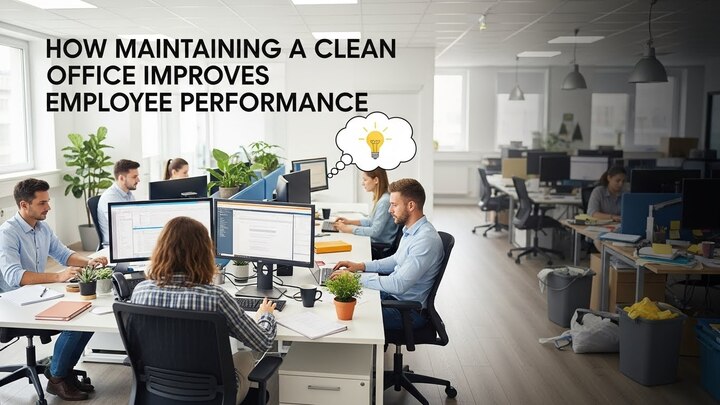
A clean office is far more than just a neat and orderly workspace; it plays a crucial role in boosting employee performance, morale, and overall productivity. In today’s fast-paced corporate environment, employees spend a significant portion of their day inside the office, and the condition of that environment directly influences focus, efficiency, and job satisfaction.
Understanding the connection between a clean office and enhanced performance allows organizations to see how hygiene, organization, and regular cleaning practices impact both individual output and overall team efficiency. Maintaining a clean office is not merely cosmetic; it is a strategic investment in employee well-being, workplace safety, and long-term business success.
The Connection Between Cleanliness and Employee Productivity
Cluttered and disorganized workspaces are more than visually unappealing; they increase stress, reduce concentration, and interfere with decision-making. Employees working in messy environments often struggle to prioritize tasks, leading to delays and frustration.
In contrast, a clean office creates a supportive environment where staff can focus entirely on their responsibilities.
Ways a clean office enhances productivity include:
-
Minimizing visual distractions to improve concentration and mental clarity
-
Streamlining workflows and optimizing task completion
-
Reducing time wasted searching for misplaced items
-
Fostering pride, accountability, and ownership among employees
Companies that prioritize office cleanliness send a clear message about professionalism while naturally encouraging higher employee performance.
Health Benefits of a Clean Office
Employee health is directly linked to productivity. A poorly maintained office can become a breeding ground for germs, bacteria, and allergens, resulting in higher absenteeism and reduced efficiency.
Maintaining a clean office supports employee health by:
-
Minimizing exposure to viruses, bacteria, and other pathogens
-
Reducing allergens such as dust, mold, and pollen
-
Improving indoor air quality and respiratory comfort
-
Ensuring hygienic conditions in kitchens, restrooms, and shared areas
When employees are healthy, energized, and comfortable, they can focus better and consistently deliver high-quality work.
Mental Clarity and Reduced Workplace Stress
A cluttered or untidy workspace can overwhelm employees, increasing stress and reducing cognitive function. Conversely, a clean office provides structure and calm, which fosters mental clarity and overall well-being.
Benefits for mental health include:
-
Reduced workplace stress and tension
-
Enhanced mood, motivation, and engagement
-
Clearer thinking and faster decision-making
-
Higher job satisfaction and overall happiness
Employees working in organized environments feel more in control, which naturally translates to better performance and productivity.
Enhanced Collaboration and Teamwork
Shared office spaces, including meeting rooms, kitchens, and collaborative areas, require regular cleaning to remain effective. A clean office encourages employees to respect shared spaces and work together efficiently.
Ways a clean office supports collaboration:
-
Fosters respect and responsibility for shared spaces
-
Reduces conflicts related to cluttered work areas
-
Encourages teamwork, communication, and accountability
-
Creates comfortable and inspiring environments for group discussions
When employees feel comfortable in their workspace, collaboration flourishes, promoting innovation and collective productivity.
Boosting Morale and Employee Engagement
The physical environment significantly influences employee engagement. A clean, well-maintained office demonstrates that management values employee comfort and professional dignity.
Impact on morale and engagement includes:
-
Employees feel respected, valued, and motivated
-
Improved satisfaction encourages employee retention
-
Positive, organized spaces encourage creativity and discretionary effort
-
Reduced stress and clutter prevent burnout and fatigue
A clean office reflects a culture of care, inspiring employees to stay committed, engaged, and productive.
Focus on High-Touch Areas for Performance
High-touch surfaces, such as keyboards, door handles, phones, and shared office equipment, can harbor germs and bacteria. Regular cleaning of these areas is essential to minimize illness and maintain consistent employee performance.
Impact of maintaining hygiene on productivity:
-
Fewer sick days ensure sustained workforce efficiency
-
Employees feel safer and more comfortable
-
Healthier conditions allow uninterrupted focus on tasks
-
Attention to sanitation supports overall operational effectiveness
By targeting high-touch areas, organizations protect both employee health and workplace performance.
Sustainability and Eco-Friendly Cleaning Practices
Modern businesses increasingly implement eco-friendly cleaning methods that are safe for employees and the environment.
Benefits of sustainable office cleaning include:
-
Use of non-toxic, biodegradable cleaning products
-
Improved indoor air quality and healthier workspaces
-
Reduced exposure to harmful chemicals
-
Support for corporate social responsibility and environmentally conscious branding
Eco-friendly practices enhance employee satisfaction and reinforce a responsible and forward-thinking company culture.
Practical Strategies for Maintaining a Clean Office
Consistency is key for maintaining a workspace that supports high performance. Implementing structured cleaning routines ensures employees always work in safe, healthy, and organized conditions.
Effective cleaning strategies include:
-
Daily cleaning of high-traffic areas, desks, and common spaces
-
Scheduled deep cleaning and sanitization of shared areas
-
Encouraging employees to maintain tidy personal workstations
-
Employing professional cleaning services for consistent and thorough upkeep
These strategies help create a clean office that maximizes focus, efficiency, and engagement across teams.
Conclusion
Maintaining a clean office is not merely about appearances, it is a strategic investment that directly impacts employee performance, engagement, and overall productivity. Understanding the value of clean office and employee productivity allows organizations to see tangible benefits in workforce efficiency and morale.
By prioritizing cleanliness, companies can:
-
Reduce employee absenteeism and sick days
-
Increase focus, efficiency, and task completion
-
Promote better collaboration and a positive workplace culture
-
Present a professional and trustworthy image to clients and visitors
-
Support long-term business growth and operational excellence
Investing in office hygiene is investing in employee well-being, organizational culture, and business performance. Prioritize cleanliness today to experience measurable improvements in productivity, satisfaction, and workplace success.
Frequently Asked Questions (FAQs)
-
How does a clean office improve employee performance?
A clean office reduces distractions, promotes mental clarity, and creates a healthy, comfortable environment, allowing employees to focus and perform better. -
Can office cleanliness reduce absenteeism?
Yes. Regular cleaning minimizes germs and illnesses, leading to fewer sick days and a more consistent workforce. -
Which areas require the most cleaning attention?
Workstations, shared equipment, restrooms, kitchens, and meeting rooms are critical for frequent cleaning and sanitization. -
How often should an office be cleaned for maximum productivity?
High-traffic areas should be cleaned daily, with deeper cleaning scheduled weekly or monthly depending on office size and usage. -
Does clutter affect mental health and focus?
Yes. Messy workspaces can increase stress, reduce focus, and lower employee engagement and satisfaction. -
How does a clean office influence teamwork?
Tidy shared areas foster respect, reduce conflicts, and encourage effective collaboration and communication. -
Are eco-friendly cleaning products effective for office use?
Absolutely. They maintain hygiene, improve air quality, and reduce harmful chemical exposure for employees. -
Who is responsible for maintaining office cleanliness?
Both management and employees share responsibility, often supplemented by professional cleaning services. -
How does office cleanliness affect workplace culture?
A clean office promotes accountability, pride, and respect, positively impacting employee behavior and engagement. -
Is investing in office cleanliness worth it for productivity?
Yes. A clean office improves employee performance, reduces illness, boosts morale, and supports long-term business growth.