Can You Caulk Over Grout? What You Need to Know Before Sealing
About
If you are repairing a bathroom, kitchen tiles, or a shower area, one common question that comes up is: Can You Caulk Over Grout? The short answer is yes — but only in certain situations. Caulk and grout are different materials and are used for different purposes, so understanding when and where to use each one is important before sealing anything.
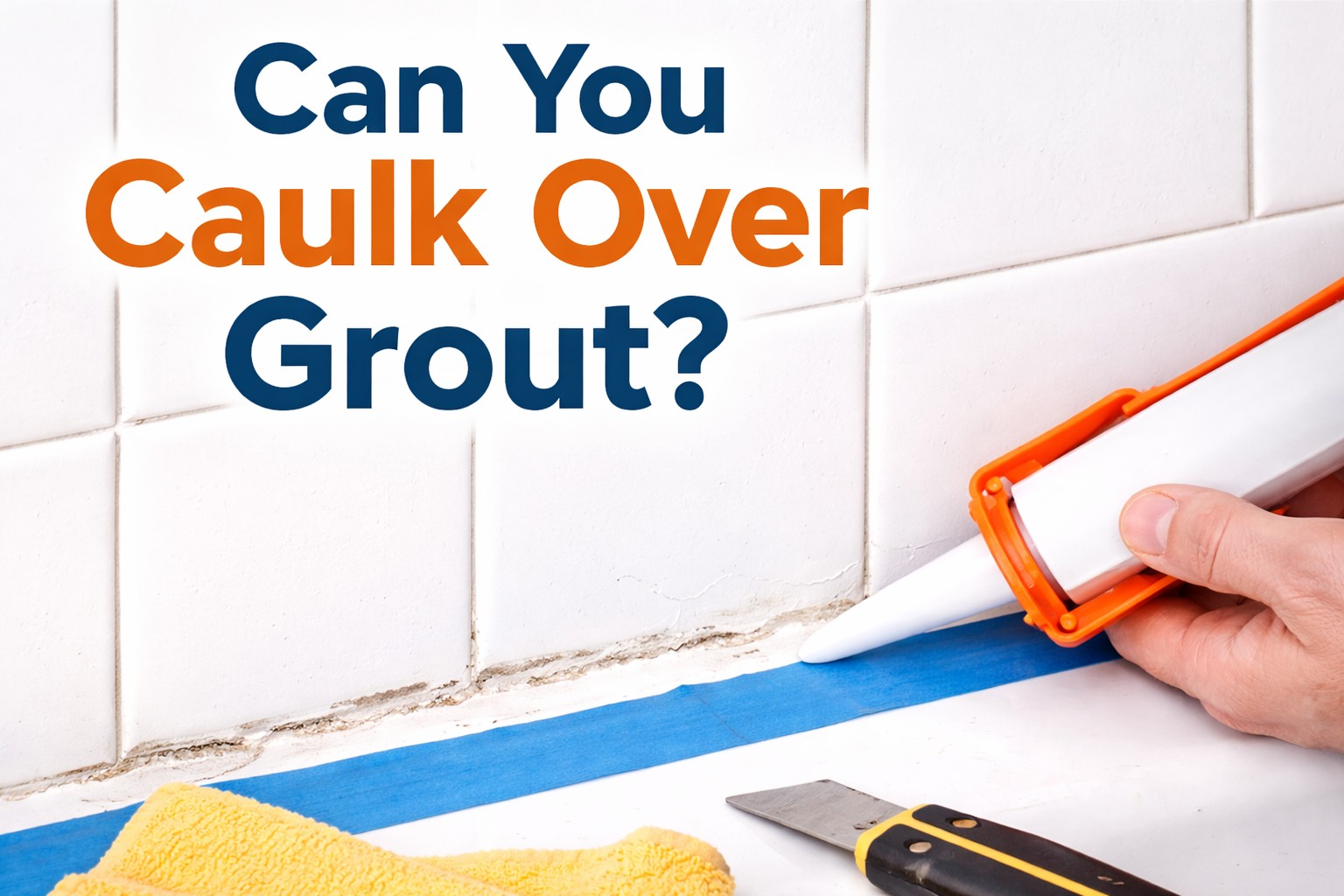
In this guide, you’ll learn the difference between caulk and grout, when you can apply caulk over grout, and the correct way to do it so it lasts for years.
Caulk vs Grout: Understanding the Difference
Before deciding whether to caulk over grout, you need to understand how these two materials work.
Grout is a cement-based material used to fill the gaps between tiles. It becomes hard and rigid after it dries. Grout is strong and works well on flat surfaces like tile floors and walls.
Caulk, on the other hand, is flexible and waterproof. It is usually made from silicone or latex and is used in areas where there is movement or moisture, such as corners, edges, bathtubs, sinks, and showers.
So the main difference is simple:
Grout = Hard and rigid
Caulk = Flexible and waterproof
Because of this flexibility, caulk is often used over certain grout areas where cracking may occur.
Can You Caulk Over Grout?
Yes, you can caulk over grout, but only if the grout is clean, dry, and in good condition. Caulking over grout is commonly done in corners, along bathtubs, shower edges, countertops, and where two different surfaces meet.
However, you should not caulk over grout lines in the middle of a tile wall or floor. Those areas should remain grouted, not caulked.
Caulk is best used in movement joints — places where surfaces expand and contract. If you grout these areas, the grout may crack over time. That is why many professionals remove grout in corners and replace it with caulk instead.
When You Should Caulk Over Grout
There are several situations where applying caulk over grout makes sense.
1. Corners of Showers or Walls
Tile corners often crack because the walls move slightly over time. Caulk can absorb this movement and prevent cracks.
2. Between Tile and Bathtub
This area should always be sealed with caulk to prevent water from leaking behind the tub.
3. Between Tile and Countertop
Caulk helps seal the joint and prevents water and dirt from getting inside the gap.
4. Small Grout Cracks
If grout has small cracks, caulk can sometimes be used as a temporary fix until you regrout.
When You Should NOT Caulk Over Grout
Even though Can You Caulk Over Grout is a common question, there are times when it is not recommended.
Do not caulk over grout if:
The grout is loose or damaged
The grout is moldy
The grout lines are in the middle of tiles
The grout is crumbling
The surface is not clean or dry
In these cases, it is better to remove the grout and redo it properly before sealing.
How to Caulk Over Grout the Right Way
If you decide to caulk over grout, follow these steps to get a clean and professional result.
Step 1: Clean the Area
Remove dirt, soap scum, grease, and mold. Use a grout cleaner or rubbing alcohol to clean the surface.
Step 2: Dry the Surface
Make sure the grout is completely dry before applying caulk. Moisture can prevent the caulk from sticking.
Step 3: Apply Painter’s Tape
Place tape on both sides of the grout line to keep the caulk line neat.
Step 4: Apply Caulk
Cut the caulk tube at a 45-degree angle and apply a thin, even bead along the grout line.
Step 5: Smooth the Caulk
Use your finger or a caulk tool to smooth the line.
Step 6: Remove Tape and Let Dry
Remove the tape before the caulk dries and let it cure for 24 hours.
Best Type of Caulk to Use Over Grout
Not all caulk is the same. For bathrooms, kitchens, and showers, you should use 100% silicone caulk because it is waterproof and mold-resistant.
Types of caulk:
Silicone caulk – Best for bathrooms and wet areas
Latex caulk – Good for dry areas
Acrylic caulk – Easy to paint
Siliconized latex – Flexible and easy to use
For most tile projects, silicone caulk is the best choice.
Common Mistakes to Avoid
Many people make mistakes when sealing tile joints. Here are some common ones to avoid:
Caulking over dirty grout
Using the wrong type of caulk
Applying too much caulk
Not smoothing the caulk line
Caulking over moldy grout
Not letting the caulk dry fully
Avoiding these mistakes will make your caulking job look much better and last longer.
FAQ: Can You Caulk Over Grout?
Is it better to caulk or grout corners?
Caulk is better for corners because corners move slightly and grout can crack over time.
Will caulk stick to grout?
Yes, caulk will stick to grout if the grout is clean and dry.
Should I remove grout before caulking?
If the grout is cracked or damaged, it is better to remove it before applying caulk.
Can you caulk over grout in a shower?
Yes, especially in corners and along the tub or shower base where water protection is needed.
How long does caulk last over grout?
Silicone caulk can last 5–10 years if applied correctly.
Final Thoughts
So, Can You Caulk Over Grout? Yes, you can, but only in the right places like corners, edges, tubs, and countertops. Caulk should not replace grout in the middle of tile surfaces, but it works very well in areas where movement and moisture are present.
The most important thing is to make sure the grout is clean, dry, and in good condition before applying caulk. Using the correct silicone caulk and applying it properly will help prevent cracks, water damage, and mold.
If done correctly, caulking over grout can extend the life of your tile work and keep your bathroom or kitchen sealed and protected for many years.
- Location USA [map]
- Website https://groutcleaner.com/