How Do IP Geolocation Services Work and What Can They Tell You?
-
September 28, 2026 4:34 AM PDT
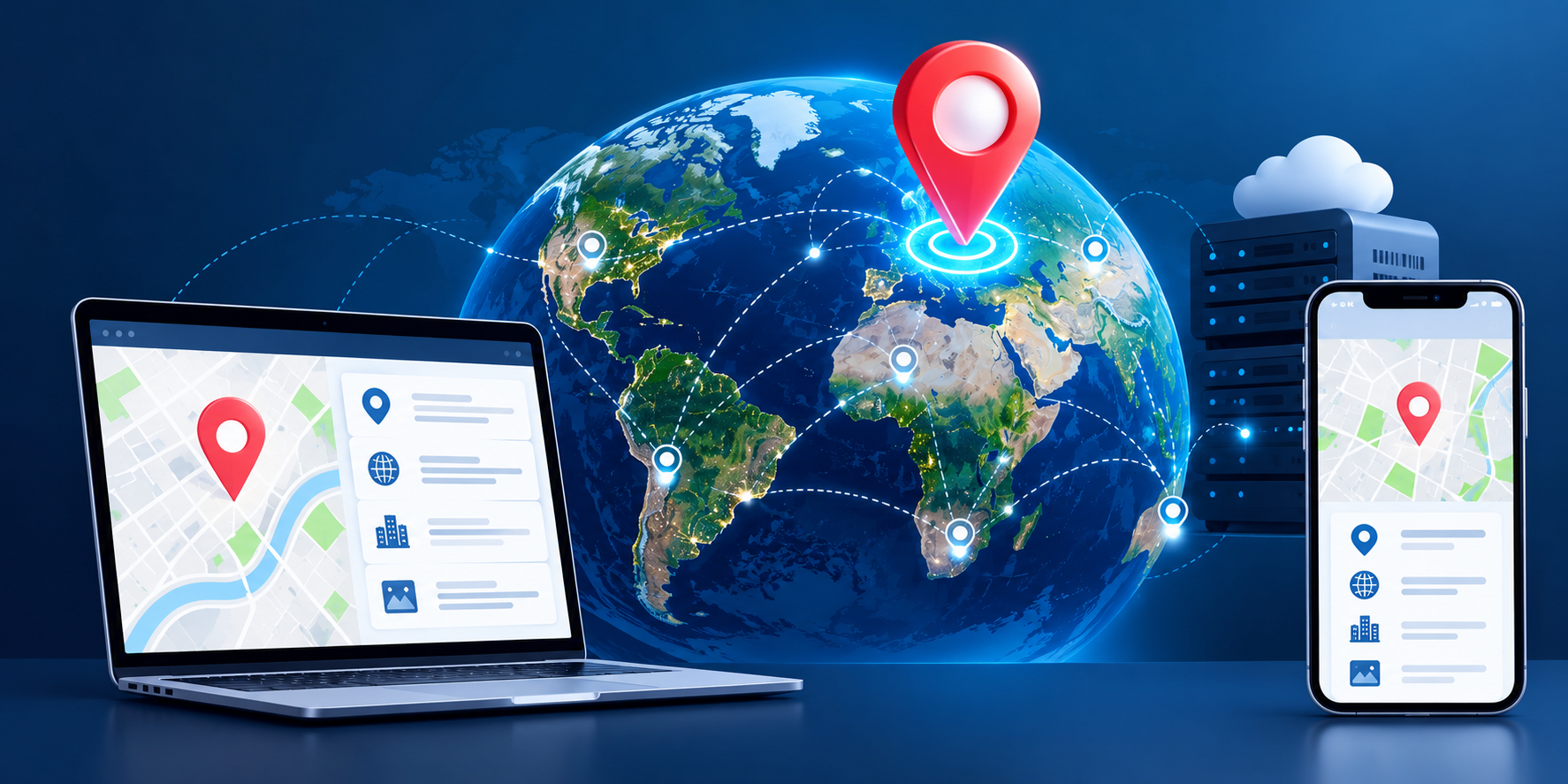
When building websites and online applications, ip geolocation services can provide useful information about the approximate location associated with an IP address. Developers can use this data to understand where visitors are connecting from, customize certain website features, and support security-related processes. However, IP-based location should be treated as an estimate rather than an exact physical location.
IP geolocation works by matching an IP address against databases containing information about internet networks and their geographic associations. Depending on the data source, the response may include a country, region, city, postal code, latitude, longitude, timezone, internet service provider, or autonomous system information. The amount of information available varies between providers and IP ranges.
One common use case is content localization. A website may use approximate country or regional information to display relevant language, currency, or regional content. E-commerce platforms can also use location data as one input when determining which shipping options or store information to present.
Security teams may use IP location information alongside other signals when reviewing unusual traffic. For example, a login attempt from an unexpected country could trigger additional verification. IP information alone should not normally be treated as proof of a person's physical location or identity because VPNs, proxies, mobile networks, corporate gateways, and shared connections can affect the result.
Developers should also consider privacy when collecting and processing IP-related information. Clear data-handling practices, appropriate retention periods, access controls, and compliance with applicable privacy requirements are important when location data is connected to identifiable users.
When selecting a location data provider, developers can compare factors such as geographic coverage, update frequency, response speed, available fields, documentation, API limits, and support for IPv4 and IPv6. Testing the service with IP addresses relevant to the intended application can also help identify practical limitations.
For applications that need automated location information from IP addresses, an ip geolocation api can provide structured data that developers can integrate into websites, applications, analytics systems, and security workflows.