Best Pool Deck Material Guide for Your Home
Posted by alex carter
716 views
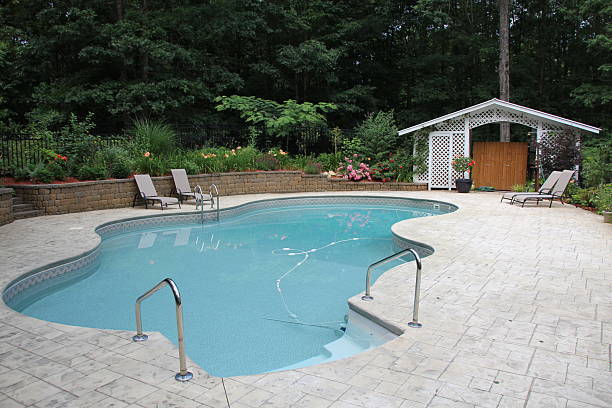
When planning a backyard renovation, choosing the best pool deck material is one of the most important decisions homeowners face. Your pool deck not only sets the style and atmosphere of your outdoor space, but it directly impacts safety, comfort, maintenance, and longevity. A pool deck is more than just a surface — it must endure weather, resist slipping when wet, stay comfortable underfoot in the sun, and harmonize with your home’s design. In this guide, we break down the top materials widely used for pool decks and help you understand which one aligns with your needs and budget.
What Makes a Great Pool Deck Material?
A pool deck serves both functional and aesthetic purposes, so the ideal material needs to balance several key factors:
-
Durability: It must withstand sun exposure, moisture, and temperature changes.
-
Slip Resistance: Safety is essential, especially in wet conditions.
-
Heat Absorption: Materials that stay cool underfoot make pool time more enjoyable.
-
Maintenance: Some surfaces require more upkeep than others.
-
Style & Value: The right deck can elevate your home’s look and increase property value.
Understanding these criteria will help you determine which material fits best with how you use your pool area.
1. Concrete — Classic and Versatile
Concrete is by far one of the most popular pool deck materials thanks to its versatility, strength, and relative affordability. It can be poured in custom shapes and sized to fit virtually any pool design.
Pros:
-
Highly durable and strong
-
Can be stamped, stained, or textured for unique looks
-
Cost-effective installation
Cons:
-
Can crack over time due to settling or temperature change
-
Plain concrete can become slippery when wet unless finished properly
The biggest benefit of concrete is how customizable it is — it can mimic stone or tile finishes, offering design flexibility without the premium price tag.
2. Pavers — Stylish and Practical
Pavers, often made from concrete, brick, or natural stone, are interlocking blocks that create a visually appealing and functional surface. They offer a premium look while maintaining strong performance.
Pros:
-
Excellent slip resistance
-
Easy to repair — individual pavers can be replaced
-
Huge variety of colors, shapes, and patterns
Cons:
-
More expensive than basic concrete
-
Weeds can grow between joints if not properly sealed
Pavers excel in design freedom and long-term durability, making them a top choice for homeowners who want both beauty and function.
3. Natural Stone — Elegant but Pricier
Natural stone such as travertine, limestone, slate, and flagstone delivers a high-end look that never goes out of style. These materials bring organic texture and color variation to any poolside environment.
Pros:
-
Unique, upscale appearance
-
Naturally cool underfoot
-
Great slip resistance
Cons:
-
Higher material and installation costs
-
Some stones require sealing to prevent staining
If your priority is a timeless, resort-like feel, natural stone could be the best pool deck material for achieving that visual impact.
4. Wood — Warm and Traditional
Wood decking around a pool can create a warm, inviting atmosphere. Popular choices include cedar, redwood, and pressure-treated lumber.
Pros:
-
Natural, warm aesthetic
-
Comfortable for bare feet
-
Can be stained or sealed in many colors
Cons:
-
Requires frequent maintenance to prevent rot and warping
-
Can get slippery without proper treatment
-
Less durable in moist environments
Wood is ideal if you love a classic, natural look, but be prepared to invest time in upkeep.
5. Composite Decking — Low-Maintenance Alternative
Composite materials combine wood fibers with plastic to create a decking material that resists rot and insect damage. They offer the look of wood with much less maintenance.
Pros:
-
Low maintenance compared to wood
-
Rot and insect resistant
-
Consistent color and texture
Cons:
-
Can be more expensive than wood
-
Some composites may absorb heat easily
Composite decking is perfect for homeowners who want the beauty of wood without the frequent maintenance demands.
6. Tile — Stylish and Customizable
Pool deck tiles come in a wide range of materials, including ceramic and porcelain. They are often chosen for their design versatility and easy cleaning surface.
Pros:
-
Endless design options
-
Easy to clean
-
Can be slip-resistant when textured
Cons:
-
Can crack if not properly installed
-
Some tiles get hot under direct sun
Tiles are a great choice if design and customization are top priorities, but installation must be done correctly to prevent damage.
Choosing the Right Material for Your Climate
Where you live should influence your decision. Hot climates may benefit from lighter materials that reflect heat, while areas with frequent rain might prioritize slip-resistant and low-maintenance options. Always consider how sun, moisture, and temperature swings will impact your deck over time.
Budget Considerations
Budgeting for your pool deck project includes more than just material costs. Labor, preparation work, and long-term maintenance should be factored in. While some premium materials like natural stone have a higher upfront cost, their longevity and curb appeal may justify the investment.
Final Thoughts
Selecting the best pool deck material comes down to balancing your aesthetic preferences, practical needs, and budget. Whether you lean toward affordable and customizable concrete, elegant natural stone, or low-maintenance composites, each material has its own strengths. The most successful outdoor spaces are those thoughtfully designed with both form and function in mind.
If you want expert guidance and professional installation for your pool deck project, rely on puppaversinc — we specialize in helping homeowners choose and install the ideal materials that elevate outdoor living and stand the test of time.