Lupus vs. Rosacea: How Doctors Tell the Difference
Posted by John Bailey
364 views
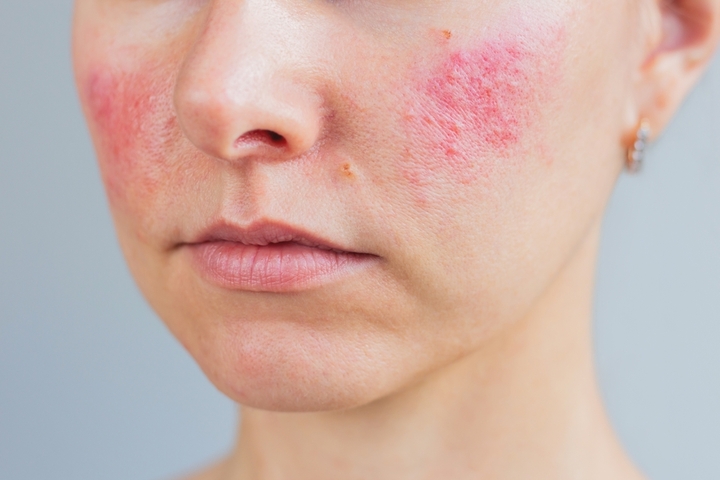
Skin redness on the face can be confusing, especially when it keeps coming back or looks different each time. Many people start searching for answers when creams don’t seem to help, and that’s often when questions like differences between lupus rash and rosacea come up. The truth is, both conditions can look similar at first, but they are very different inside the body.
In this blog, we’ll walk through how doctors separate the two, what signs they look for, and why correct identification matters. You’ll also learn how symptoms behave over time and what tests may be needed to confirm a diagnosis. Let’s break it down in a simple way so you know what to watch for.
1. What Do Lupus Rash and Rosacea Look Like?
“Why do these two conditions get confused so often?”
At first glance, lupus rash and rosacea can easily look alike, especially when both show up as facial redness. But when you slow down and observe closely, differences start to appear.
Lupus rash often appears in a butterfly pattern across the cheeks and bridge of the nose. It may look flat, slightly raised, or even scaly at times. One important clue is that it often becomes worse after sun exposure. Many patients notice the redness appears or intensifies after spending time outdoors.
Rosacea, however, usually shows up as long-term redness on the central face. You may also see tiny visible blood vessels or small bumps that look like acne. Unlike lupus, rosacea does not follow a clear butterfly pattern.
However, here’s the tricky part—both conditions can flare and settle down, which confuses many people. Rosacea can come in waves of flushing, while lupus may disappear for a while and return more aggressively.
Common Visual Differences
- Lupus rash: butterfly pattern, sun-sensitive, may involve scaling
- Rosacea: persistent redness, visible vessels, acne-like bumps
- Both: can affect cheeks and nose area
Moreover, doctors don’t rely on appearance alone, because skin can sometimes “lie” in early stages.
2. Key Differences Doctors Look For
What tells a doctor this is lupus and not rosacea?
Doctors usually begin by studying patterns rather than just the rash itself. One major difference lies in what happens outside the skin.
Lupus is an autoimmune condition. This means the immune system mistakenly attacks healthy tissues. Because of this, skin changes often come with other body symptoms. Rosacea, on the other hand, stays mostly limited to the skin and does not affect internal organs.
Sun sensitivity is another strong clue. In lupus, even short sun exposure can trigger a flare-up that may last days. Rosacea reacts more to heat, spicy foods, alcohol, and emotional stress.
Doctors also check symptom timing. Lupus flare-ups often feel unpredictable and may come with fatigue or body pain. Rosacea tends to follow a more steady pattern of redness with occasional flushing episodes.
Common Differences Doctors Notice
- Lupus: fatigue, joint pain, fever, sun-triggered flares
- Rosacea: flushing, burning sensation, skin sensitivity
- Lupus may involve multiple organs, rosacea usually does not
However, things don’t always fit neatly into boxes. Some patients show mixed signs early on, which is why careful evaluation over time becomes important. This leads doctors to look beyond the face and into the rest of the body.
3. Symptoms Beyond the Skin
Is your body giving hidden clues?
One of the clearest ways doctors separate lupus from rosacea is by checking symptoms beyond the skin.
Lupus often affects more than one system in the body. Many people report long-lasting fatigue that does not improve with rest. Joint pain, swelling in fingers, or low-grade fever can also appear. Some patients even notice chest discomfort or sensitivity in different organs, depending on severity.
Rosacea does not usually go beyond the face. However, some people may experience eye-related symptoms like dryness, irritation, or a burning feeling. This is called ocular rosacea, but it still remains limited compared to lupus.
Questions Doctors Commonly Ask
- Do you feel unusually tired during flare-ups?
- Do your joints hurt or feel stiff?
- Do symptoms appear only on the face or elsewhere too?
Moreover, these answers help narrow down the condition quickly. When body-wide symptoms show up along with facial rash, lupus becomes more likely. If symptoms stay mostly skin-focused, rosacea is often considered first.
This step helps doctors move closer to understanding triggers and patterns more clearly.
4. Triggers and Patterns Doctors Notice
What sets off the flare-ups?
Triggers can offer strong hints when diagnosing lupus or rosacea.
Rosacea is often triggered by everyday lifestyle factors. Hot drinks, spicy foods, stress, alcohol, and sudden temperature changes can all lead to flushing. The reaction is usually quick and noticeable, sometimes within minutes.
Lupus behaves differently. Sun exposure is one of the strongest triggers. Even mild sunlight can lead to a flare that appears later and lasts longer. Some patients also notice flares after infections or hormonal changes.
Doctors often look at how predictable the triggers are. Rosacea tends to react immediately and repeatedly to similar triggers. Lupus is more unpredictable and can flare even without a clear reason.
However, triggers alone are not enough for diagnosis. They are only one piece of the puzzle, and doctors always combine them with physical exams and lab results for clarity.
5. How Doctors Confirm the Diagnosis
What finally settles the confusion?
When symptoms overlap, doctors rely on tests to confirm what’s happening.
Lupus Testing
For lupus, blood tests play a key role. Markers like ANA (antinuclear antibodies) help identify autoimmune activity. Doctors may also check kidney function and inflammation levels. In some cases, imaging or additional organ tests are needed.
Rosacea Evaluation
Rosacea does not have a specific blood test. Doctors usually diagnose it by examining the skin and reviewing symptom history.
Skin Biopsy
Sometimes a skin biopsy is done if the diagnosis remains unclear. This helps rule out other skin conditions and brings more clarity.
Conclusion
Understanding facial redness is not always simple, especially when lupus and rosacea look so similar at first. However, once you break down the patterns, triggers, and body symptoms, the differences become clearer. Lupus usually goes beyond the skin and affects the whole body, while rosacea mainly stays focused on facial redness and flushing. Doctors rely on a mix of observation, patient history, and lab tests to reach the right diagnosis instead of depending on appearance alone.
It is also important to remember that symptoms can change over time. What looks mild today may behave differently a few months later. That’s why regular check-ups and honest communication with your doctor matter a lot. If something feels off or persistent, it’s always better to get it checked early rather than waiting.
In the end, both conditions need attention, but the treatment path is very different. Knowing what signs to watch for helps you take quicker action and avoid confusion.
If you are exploring advanced care options or want to understand ongoing research opportunities, join a lupus clinical trial in Boston.