Understanding Transmission Line EPC Services for Projects
Posted by Khan umar
257 views
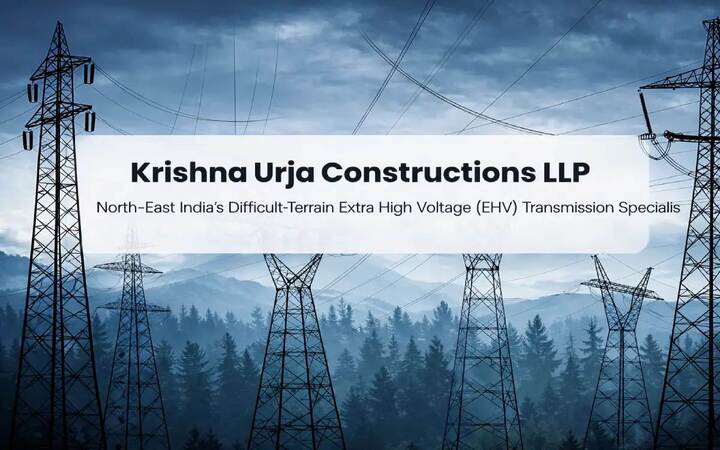
Modern infrastructure development depends heavily on a reliable electricity network. From power generation plants to industries, cities, and rural areas, electricity must travel safely and efficiently across long distances. This is where transmission lines play an important role in connecting power sources to consumers.
As power demand continues to grow, Transmission Line EPC Services have become essential for the successful execution of power transmission projects. These services provide a complete solution, covering every stage of a project from planning and engineering to procurement, construction, testing, and commissioning. By using EPC services, project owners can simplify project management and ensure quality, safety, and timely completion.
In this article, we will explore what Transmission Line EPC Services are, their benefits, major components, project stages, challenges, and why they are important for modern power infrastructure.
What Are Transmission Line EPC Services?
EPC stands for Engineering, Procurement, and Construction. It is a project delivery model where a single contractor is responsible for handling the entire project from start to finish.
Transmission Line EPC Services include:
- Engineering and design of transmission lines
- Procurement of materials and equipment
- Construction and installation work
- Testing and commissioning
- Project management and quality control
Instead of hiring multiple contractors for different tasks, project owners can work with a single EPC contractor who manages all aspects of the project.
This approach reduces complexity, improves coordination, and helps ensure that the transmission line is completed according to technical and regulatory requirements.
Importance of Transmission Lines in Power Systems
Transmission lines are a critical part of the electrical grid. They transport electricity from power generation stations to substations and distribution networks.
Without efficient transmission systems, electricity generated at power plants cannot reach homes, offices, factories, and public facilities.
Transmission lines help:
- Deliver electricity over long distances
- Reduce power losses
- Improve grid reliability
- Support industrial growth
- Connect renewable energy projects to the grid
- Ensure stable power supply across regions
As countries continue to expand their power infrastructure, the demand for professionally managed transmission line projects is increasing.
Key Components of Transmission Line EPC Services
1. Engineering and Design
Engineering is the foundation of every transmission line project.
The engineering team performs:
- Route surveys
- Feasibility studies
- Environmental assessments
- Tower design
- Structural analysis
- Electrical system design
Proper engineering ensures that the transmission line can operate safely and efficiently throughout its lifespan.
2. Procurement of Materials
Procurement involves sourcing all materials and equipment required for the project.
Common materials include:
- Transmission towers
- Conductors
- Insulators
- Ground wires
- Hardware fittings
- Foundation materials
- Safety equipment
Efficient procurement ensures timely availability of materials while maintaining quality standards.
3. Construction Activities
Construction is one of the most visible phases of the project.
Activities include:
- Site preparation
- Foundation construction
- Tower erection
- Stringing of conductors
- Installation of accessories
- Grounding system installation
Experienced construction teams ensure safe and accurate execution of these tasks.
4. Testing and Commissioning
Before the transmission line becomes operational, extensive testing is conducted.
Testing may include:
- Mechanical inspections
- Electrical testing
- Ground resistance testing
- Conductor tension verification
- Safety inspections
After successful testing, the transmission line is commissioned and connected to the grid.
5. Project Management
Project management ensures smooth coordination between all teams involved.
Responsibilities include:
- Scheduling
- Budget monitoring
- Resource allocation
- Risk management
- Quality control
- Regulatory compliance
Strong project management helps prevent delays and cost overruns.
Benefits of Transmission Line EPC Services
Single Point of Responsibility
One of the biggest advantages of EPC services is that a single contractor manages the entire project.
This provides:
- Better accountability
- Faster decision-making
- Improved communication
- Reduced management burden
Project owners can focus on broader business objectives while the EPC contractor handles execution.
Cost Efficiency
Managing multiple contractors often increases costs due to coordination issues and project delays.
EPC services help control costs through:
- Integrated planning
- Efficient procurement
- Optimized resource utilization
- Reduced project risks
This results in better financial management throughout the project lifecycle.
Faster Project Completion
Because engineering, procurement, and construction activities are coordinated under one organization, projects can be completed more efficiently.
Benefits include:
- Reduced delays
- Better scheduling
- Faster execution
- Improved productivity
Timely project completion is especially important for large-scale power infrastructure developments.
Improved Quality Control
Quality is critical in transmission line projects because any failure can affect power supply and public safety.
EPC contractors implement:
- Quality assurance procedures
- Material inspections
- Technical reviews
- Construction quality checks
- Performance testing
These measures help ensure long-term reliability.
Enhanced Safety Standards
Transmission line construction involves working at heights, handling heavy equipment, and dealing with electrical systems.
Professional EPC contractors prioritize safety through:
- Worker training
- Safety audits
- Protective equipment
- Emergency response planning
- Compliance with safety regulations
This reduces workplace accidents and project risks.
Stages of a Transmission Line EPC Project
Project Planning
The project begins with planning and feasibility studies.
Activities include:
- Site surveys
- Route selection
- Cost estimation
- Risk analysis
- Environmental evaluation
Proper planning creates a strong foundation for successful execution.
Detailed Engineering
During this phase, engineers prepare technical designs and specifications.
Key tasks include:
- Tower configuration design
- Foundation design
- Electrical calculations
- Structural analysis
- Material specifications
These designs guide all subsequent project activities.
Material Procurement
After engineering approval, procurement teams purchase required materials and equipment.
The focus is on:
- Quality assurance
- Supplier selection
- Delivery scheduling
- Inventory management
Timely procurement supports uninterrupted construction.
Construction and Installation
Construction teams execute field activities according to approved designs.
This stage includes:
- Excavation
- Foundation works
- Tower assembly
- Tower erection
- Conductor installation
Continuous monitoring ensures work quality and safety.
Testing and Handover
After installation, the transmission line undergoes comprehensive testing.
Once performance standards are met, the completed project is handed over to the client for operation.
Challenges in Transmission Line Projects
Difficult Terrain
Transmission lines often pass through mountains, forests, deserts, and remote locations.
Challenges may include:
- Limited accessibility
- Harsh weather conditions
- Transportation difficulties
- Complex construction requirements
Experienced EPC contractors use specialized equipment and planning to address these challenges.
Environmental Considerations
Transmission projects must minimize environmental impact.
Key considerations include:
- Wildlife protection
- Forest conservation
- Soil preservation
- Water resource management
Environmental compliance is an important part of project planning.
Land Acquisition Issues
Securing land rights and permissions can be time-consuming.
Potential challenges include:
- Legal approvals
- Landowner negotiations
- Regulatory requirements
Effective stakeholder engagement helps reduce delays.
Supply Chain Management
Large transmission projects require thousands of components from multiple suppliers.
Any procurement delay can affect project schedules.
Strong supply chain management ensures:
- Timely deliveries
- Quality materials
- Cost control
- Efficient inventory management
Regulatory Compliance
Transmission projects must comply with numerous regulations and standards.
These may involve:
- Environmental approvals
- Safety regulations
- Technical standards
- Government permits
Professional EPC contractors maintain compliance throughout the project.
Technologies Used in Modern Transmission Line EPC Projects
Technology is transforming the way transmission projects are designed and executed.
Drone Surveys
Drones provide accurate aerial data for:
- Route planning
- Terrain analysis
- Site inspections
- Progress monitoring
They improve efficiency while reducing survey time.
GIS Mapping
Geographic Information Systems help engineers:
- Analyze terrain
- Optimize routes
- Identify obstacles
- Improve planning accuracy
GIS technology supports better decision-making.
Digital Project Management Tools
Modern software platforms help teams:
- Track progress
- Manage schedules
- Monitor costs
- Improve communication
Digital tools increase project transparency and efficiency.
Advanced Construction Equipment
Specialized equipment supports:
- Tower erection
- Foundation installation
- Conductor stringing
- Material handling
These technologies improve productivity and safety.
Role of Transmission Line EPC Services in Renewable Energy Projects
Renewable energy projects require strong transmission infrastructure to connect generation sites with the power grid.
Transmission Line EPC Services support renewable energy development by:
- Connecting solar farms to substations
- Integrating wind energy projects
- Expanding grid capacity
- Improving energy reliability
As renewable energy adoption grows, transmission networks become increasingly important.
Choosing the Right Transmission Line EPC Contractor
Selecting the right EPC partner is crucial for project success.
Factors to consider include:
Experience
Look for contractors with proven experience in transmission line projects.
Technical Expertise
The contractor should possess strong engineering and construction capabilities.
Safety Record
Review the company's safety performance and compliance standards.
Resource Availability
Adequate manpower, equipment, and technology are essential for timely project completion.
Quality Standards
Choose contractors with established quality management systems.
Project Management Capability
Strong project management skills help ensure smooth execution and successful delivery.
Future of Transmission Line EPC Services
The future of transmission infrastructure is driven by increasing energy demand, renewable energy integration, and smart grid development.
Emerging trends include:
- Smart transmission networks
- Digital monitoring systems
- Sustainable construction practices
- Advanced materials
- Automation technologies
- Enhanced grid resilience
As power systems become more complex, EPC contractors will continue to play a critical role in delivering reliable transmission infrastructure.
Conclusion
Transmission line projects are essential for ensuring reliable electricity delivery across regions and supporting economic growth. From engineering and procurement to construction and commissioning, Transmission Line EPC Services provide a complete solution that simplifies project execution while maintaining quality, safety, and efficiency.
By partnering with experienced EPC professionals, project owners can reduce risks, improve project performance, and achieve timely completion. Companies such as Krishna Urja Constructions contribute to the successful development of transmission infrastructure by delivering comprehensive EPC solutions that support the growing needs of modern power networks.