Why Accurate Ear Examinations Matter in Modern Primary Care
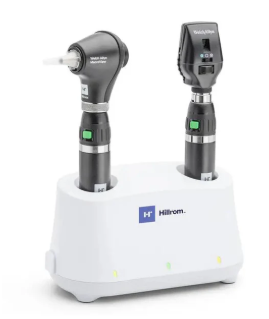
Ear-related complaints are among the most common reasons patients seek medical attention in primary care settings. From ear infections and hearing difficulties to wax impaction and balance disorders, clinicians are regularly required to assess a wide range of conditions affecting the ear. In many cases, an accurate diagnosis depends not only on clinical experience but also on the quality of the examination process and the tools used to support it.
As healthcare providers continue to focus on early intervention and effective treatment planning, the importance of reliable ENT Diagnostic equipment has become increasingly evident. Accurate ear examinations play a vital role in improving patient outcomes, reducing unnecessary treatments, and supporting confident clinical decision-making.
The Importance of Early and Accurate Assessment
Many ear conditions share similar symptoms, including pain, reduced hearing, fullness in the ear, and discharge. While these symptoms may appear straightforward, the underlying causes can vary significantly. Conditions such as acute otitis media, otitis media with effusion, external ear infections, and impacted cerumen can often present with overlapping signs.
Without a thorough examination, there is a risk of misdiagnosis, which can lead to inappropriate treatment and delayed recovery. Accurate assessments allow clinicians to identify the root cause of symptoms and determine the most appropriate course of action. This is particularly important in primary care, where timely diagnosis can prevent complications and reduce the need for specialist referrals.
Modern ENT Diagnostic tools help clinicians obtain a clearer view of the ear canal and tympanic membrane, making it easier to distinguish between different conditions and provide targeted care.
How Diagnostic Equipment Supports Better Clinical Decisions
The effectiveness of an ear examination depends largely on the quality of the visual assessment. Traditional examination methods may be limited by poor illumination, inadequate magnification, or inconsistent image quality. These limitations can make it more difficult to identify subtle abnormalities.
Modern otoscopes and other ENT Diagnostic equipment are designed to enhance visibility and improve examination accuracy. High-quality illumination, enhanced optics, and ergonomic designs allow clinicians to perform more detailed assessments in a variety of clinical settings.
For example, a clear view of the tympanic membrane can help practitioners identify signs of infection, fluid accumulation, perforation, or inflammation. This level of diagnostic precision supports evidence-based treatment decisions and reduces uncertainty during consultations.
The ability to make informed decisions at the point of care contributes to greater efficiency and helps ensure patients receive appropriate treatment without unnecessary delays.
The Impact on Patient Outcomes
Accurate diagnosis is closely linked to better patient outcomes. When ear conditions are identified correctly, treatment can begin sooner and with greater confidence. This often leads to faster symptom relief, improved patient satisfaction, and a lower likelihood of complications.
In cases involving ear infections, accurate diagnosis can also support responsible antibiotic prescribing. Distinguishing between conditions that require medication and those that may resolve with monitoring helps reduce unnecessary antibiotic use and supports wider antimicrobial stewardship efforts.
Patients also benefit from increased confidence in their healthcare provider when examinations are conducted thoroughly and findings can be explained clearly. Modern ENT Diagnostic solutions make it easier for clinicians to communicate observations and discuss treatment options with patients, contributing to a more positive healthcare experience.
Building a Strong Foundation for Ear Care
Primary care practices are often the first point of contact for patients experiencing ear-related symptoms. As a result, having access to reliable diagnostic equipment is essential for delivering high-quality care.
Regular equipment audits, staff training, and investment in modern examination tools can significantly enhance diagnostic capabilities within a practice. Clinicians should ensure that otoscopes, specula, and other essential ENT Diagnostic instruments are maintained properly and remain suitable for the needs of their patient population.
By prioritising diagnostic accuracy, healthcare professionals can strengthen clinical confidence, improve efficiency, and support better outcomes across a broad range of ear conditions.
Conclusion
Accurate ear examinations are a fundamental component of modern primary care. They enable clinicians to differentiate between common ear conditions, make informed treatment decisions, and provide patients with timely and effective care.
As diagnostic technology continues to evolve, the role of high-quality ENT Diagnostic equipment will become even more important. Investing in reliable examination tools not only supports clinical excellence but also helps practices deliver the level of care that patients increasingly expect. For healthcare professionals committed to improving ear care, accurate diagnosis remains one of the most valuable tools available.
Original Source : https://plugwik.uk/business/diagnostic-tools-in-primary-ear-care-a-clinical-guide-for-irish-practitioners/