Pet Import Canada Advice for Safe and Legal Entry
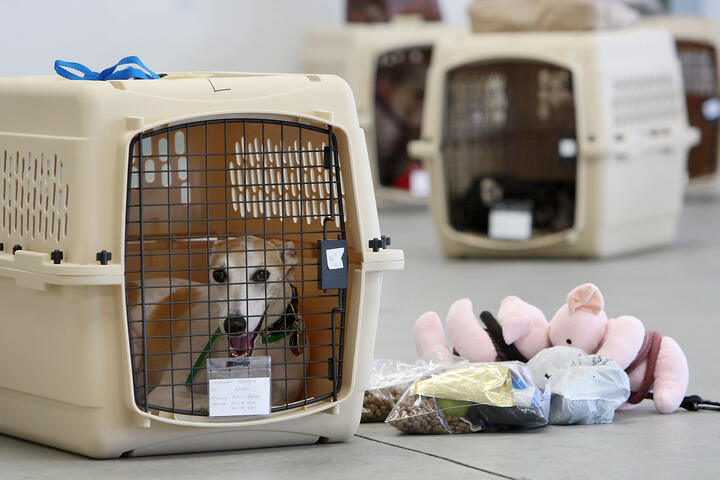
Relocating to Canada with your beloved pet is an exciting milestone. However, the legal requirements surrounding pet importation demand careful attention. The Canadian Food Inspection Agency governs the entry of all animals. Understanding these requirements protects your pet and ensures legal compliance. This guide provides practical, expert-level advice for a successful Canadian pet entry.
Getting Started: Research and Planning
The first step in any successful pet import is thorough research. Begin by identifying your pet's species and country of origin. These two factors determine the applicable import requirements most directly. Visit the CFIA website and navigate to the pet import section. Read the current requirements carefully and note every applicable rule.
Create a master planning document that lists every requirement. Note deadlines, appointment requirements, and procedural sequencing rules. Share this document with your veterinarian to ensure alignment. Consider hiring a pet import consultant for a preliminary compliance review. This investment at the outset saves significant time and cost downstream.
Understanding the Differences Between Countries
Canada treats different countries very differently in terms of import risk. Countries are classified based on their disease status for conditions like rabies. The US is considered low risk and faces streamlined requirements. Many Asian, African, and South American countries face more stringent requirements. European Union countries are generally low to moderate risk for most diseases.
The import requirements for your specific origin country are clearly listed on the CFIA website. Using the country-specific requirement tables is highly recommended. These tables outline exactly which documents and procedures apply in your situation. Cross-referencing multiple sources helps confirm that you have complete information. When in doubt, contact the CFIA directly for clarification on any specific point.
Working Effectively with Your Veterinarian
Your veterinarian is your most critical partner in the pet import process. Choose a vet who has experience with international pet travel documentation. Inform your vet of your intended Canadian entry date as early as possible. Share the full list of CFIA requirements with them at your first appointment. A prepared veterinarian can help you avoid costly procedural errors.
Establish a clear timeline with your vet for all required procedures. Microchipping, vaccinations, and health certificates each have specific timing requirements. Some procedures must be completed in a specific order to maintain their validity. Your vet should be familiar with these sequencing rules. If they are unfamiliar with Canadian import requirements, request that they research them thoroughly.
Questions to Ask Your Veterinarian
Several specific questions should be addressed with your veterinarian early in the process. First, ask whether your pet is healthy enough for international travel. Second, confirm that your pet's microchip is ISO 11784/11785-compliant. Third, review the current status of all vaccinations and identify any that need updating. Fourth, confirm the required timing for the health certificate before your specific entry date.
Ask your vet whether they are accredited to issue internationally recognized health certificates. If not, request a referral to an accredited colleague. Ask about any breed-specific health concerns relevant to air travel. Discuss anxiety management options well before the travel date arrives. A thorough pre-travel veterinary consultation is one of the best investments you can make.
Documentation Preparation: A Practical Approach
Assembling complete, accurate documentation requires time and attention to detail. Start the documentation preparation process at least eight weeks before your entry date. This timeline accommodates appointment scheduling, processing times, and unexpected delays. Create a physical document folder dedicated exclusively to your pet's import documentation. Use labeled dividers to organize different categories of documents clearly.
The core documents you will need include the rabies vaccination certificate. You will also need a health certificate issued within ten days of your entry. Microchip registration documents should also be included. Keep a copy of the relevant CFIA requirements as a reference in the same folder. Border officers occasionally ask questions, and having reference materials helps you respond accurately.
Digital Backups for All Critical Documents
Technology provides invaluable protection for critical travel documents. Photograph every important document with your smartphone before traveling. Store these photos in a cloud service that is accessible without an internet connection. Email copies of all documents to yourself and a trusted contact at home. Multiple backups ensure access to critical information regardless of physical document loss.
Scan documents and save them as PDF files on your phone and laptop. Organize digital copies in a clearly labeled folder structure. Label each file with the document type and date of issuance. Update digital backups whenever any physical document is reissued or updated. Digital preparedness transforms a potentially disastrous document loss into a minor inconvenience.
Choosing the Right Entry Point into Canada
Canada has numerous land, air, and sea entry points for international travelers. Each entry point has slightly different facilities and inspection capabilities. Major international airports in Toronto, Vancouver, Calgary, and Montreal handle high pet import volumes. Land crossings at major US-Canada border points also process many pet imports daily.
Choosing a busier entry point often means more experienced border staff. Officers at high-volume entry points process pet imports routinely. They are familiar with documentation requirements and inspection procedures. Less busy crossings may have less experience with complex pet import situations. For first-time pet importers, using a major international airport or land crossing is advisable.
Timing Your Arrival at the Border
Arriving at the border during off-peak periods can streamline the inspection process. Early morning hours and weekdays typically see lower border traffic volumes. Lower traffic means officers have more time for careful and thorough inspections. Rushed inspections due to high border volumes can lead to errors and misunderstandings. Strategic timing of your border arrival is a worthwhile consideration.
Avoid holiday periods and weekends whenever your travel schedule allows. These periods see dramatically higher border crossing volumes. Extended waiting times during busy periods add stress for both you and your pet. Plan your travel schedule around these peak periods whenever logistically feasible. Your pet's comfort during the border waiting period is worth the scheduling consideration.
Professional Guidance for Complex Import Scenarios
Some pet import situations genuinely require professional expert assistance. Multi-pet households present increased documentation complexity. Pets from high-risk countries require more rigorous documentation protocols. Animals with health conditions may need additional veterinary assessments. Professional pet import canada specialists handle these complex scenarios with confidence and expertise.
Professional services begin with a detailed intake assessment of your specific situation. They review all relevant CFIA requirements for your particular circumstances. They create a customized action plan with specific deadlines for every required step. Regular check-ins ensure you remain on track throughout the preparation process. This structured professional support is invaluable for first-time importers.
Evaluating Professional Pet Import Services
Not all pet import services offer the same level of quality and expertise. Research multiple service providers before making a selection. Look for services with demonstrated experience in Canadian pet importation specifically. Request client references and follow up with them directly. Transparent fee structures and clear service agreements indicate professional integrity.
Ask how the service handles unexpected complications at the border. Experienced services have established protocols for resolving documentation issues quickly. 24/7 availability during your travel period is a highly desirable feature. Communication frequency and transparency throughout the process also matter greatly. A service that keeps you informed at every step earns your confidence and trust.
Post-Arrival Steps for Pet Owners in Canada
Successfully entering Canada with your pet marks a significant accomplishment. However, several important steps should follow arrival promptly. Registering with a local Canadian veterinarian within two weeks of arrival is strongly recommended. Establishing this relationship early ensures quick access to care if health issues arise.
Update your pet's microchip registration with your new Canadian address immediately. This update is critical for recovery purposes if your pet is ever lost. Obtain local pet identification tags as soon as practically possible. Research and comply with the municipal bylaws applicable in your Canadian city or town. Many municipalities require annual pet licensing and registration for resident animals.
Thriving as a Pet Owner in Canada
Canada offers outstanding quality of life for both pets and their owners. World-class veterinary care is available in all major Canadian cities. Extensive parks, trails, and green spaces make Canada exceptionally pet-friendly. The Canadian climate varies dramatically by region and season. Prepare your pet appropriately for the specific climate of your destination region.
Connect with local pet owner communities after your arrival. These communities provide invaluable local knowledge and social support. They can recommend trusted veterinarians, groomers, and boarding facilities. Online groups, local parks, and community centers are great places to connect. A supportive network of fellow pet owners enriches your Canadian experience considerably.