How Mail-In Laptop Repair Service Supports Sustainable Technology
Posted by summy steve
164 views
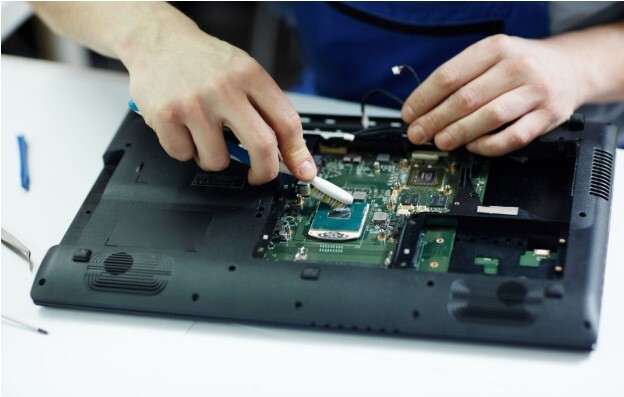
Technology changes quickly, and new laptops are released every year. As newer models become available, many people replace their existing computers when they develop hardware problems. However, replacing a laptop is not always necessary.
A mail-in laptop repair service can provide a practical alternative by helping users repair and continue using their existing devices. Instead of immediately sending a malfunctioning laptop toward disposal, professional repair may extend its useful life.
This approach can benefit both consumers and the environment while helping people get more value from their technology.
The Environmental Cost of Electronic Waste
Electronic waste, often called e-waste, includes discarded computers, smartphones, tablets, televisions, and other electronic devices.
Laptops contain a combination of metals, plastics, glass, batteries, and electronic components. When old devices are discarded unnecessarily, valuable materials can be lost.
Responsible recycling can recover some materials, but recycling still requires collection, transportation, sorting, and processing.
Keeping a laptop in use for longer can reduce the need to replace it as frequently.
Repairing Instead of Replacing
When a laptop develops a problem, replacement may seem easier than repair. However, many laptop problems involve individual components rather than the entire device.
A broken screen does not necessarily mean that the motherboard has failed. A weak battery does not mean that the processor and storage are unusable.
Replacing the damaged component may restore the laptop and allow the owner to continue using the device.
A mail-in repair service can make this option accessible even when specialized repair facilities are not available nearby.
Extending the Life of Existing Laptops
One of the simplest ways to reduce electronic waste is to use devices for longer.
A laptop that receives professional maintenance and necessary repairs can remain useful beyond the period when its original warranty expires.
Common repairs that can extend laptop life include:
-
Battery replacement
-
Screen replacement
-
Keyboard repair
-
Charging port repair
-
Fan replacement
-
Storage upgrades
-
RAM upgrades
-
Hinge repair
-
Cooling system maintenance
-
Software troubleshooting
The appropriate repair depends on the laptop's condition and model.
Mail-In Repair Expands Access to Technicians
Not everyone lives near a computer repair center.
Small towns and rural communities may have fewer specialized technicians. Even in larger cities, local shops may not work on certain laptop brands or complex motherboard problems.
A mail-in service allows customers to send their devices to repair centers located elsewhere.
This can make professional repair available to people who would otherwise consider replacing their laptops.
Repair Can Reduce Unnecessary Purchases
Manufacturing a new electronic device requires raw materials, energy, transportation, packaging, and other resources.
When an existing laptop can be repaired successfully, purchasing a replacement may not be necessary.
For example, replacing a damaged display can restore an otherwise functional laptop. Similarly, installing a new battery can improve portability without replacing the entire computer.
Repairing one component can therefore be a more resource-conscious option.
Upgrading Can Be Better Than Replacing
Sometimes a laptop feels outdated because of performance limitations rather than serious hardware failure.
A storage upgrade or memory upgrade may improve the user experience.
Replacing a traditional hard drive with a suitable SSD can improve startup and application loading times on compatible systems. Adding memory may also help certain laptops handle multitasking more effectively.
Before purchasing a new laptop, users can ask a technician whether an upgrade could provide the performance improvement they need.
Proper Repair Can Prevent Further Damage
Small laptop problems can sometimes become larger when ignored.
For example, a damaged cooling fan may cause overheating. Continued overheating can place additional stress on internal components.
Similarly, a loose hinge can eventually damage the display assembly or internal cables.
Addressing problems early can help prevent additional damage and potentially reduce the number of components that need replacement.
The Role of Professional Diagnostics
Professional diagnosis is important because customers may not always know what is actually wrong with a laptop.
A laptop that suddenly shuts down could have several possible causes. The problem might involve the battery, charger, overheating, motherboard, or software.
Replacing the wrong component wastes money and resources.
A technician can inspect the laptop and determine whether repair is practical before recommending replacement parts.
Responsible Handling of Replaced Components
Repair centers may remove defective components during a repair.
Customers should ask how replaced parts are handled. Depending on the component and local requirements, certain materials may be suitable for recycling or responsible electronic disposal.
Batteries, circuit boards, and storage devices should not simply be treated like ordinary household waste.
Responsible handling helps reduce the environmental impact of electronic repairs.
Data Protection During Sustainable Repair
Sustainability does not mean ignoring data security.
Before sending a laptop to a mail-in repair center, users should back up important files whenever possible.
A backup protects valuable information if the storage device fails or the operating system needs to be reinstalled.
If the laptop contains sensitive information, customers should also ask the repair provider about its data-handling procedures.
Protecting personal data should remain a priority throughout the repair process.
Choosing Quality Parts
Replacement parts can affect how long a repaired laptop remains useful.
When requesting repair, ask whether the provider uses new, refurbished, or compatible replacement parts.
The right choice depends on the laptop, repair type, budget, and availability of components.
A reliable repair provider should explain the available options and any differences between them.
When Repair Is Not the Right Choice
Repairing a laptop is not always the most sustainable or economical option.
If a device is extremely old, has several major failures, or requires expensive components that are difficult to find, replacement may be more practical.
A responsible repair provider should be willing to explain when repair is no longer economical.
In some situations, replacing the laptop and responsibly recycling the old device may be the better decision.
Recycling After the End of a Laptop's Life
Eventually, every laptop reaches the end of its useful life.
When repair is no longer practical, the device should be handled responsibly.
Electronic recycling programs can help recover valuable materials and reduce the amount of electronics sent to ordinary landfills.
Before recycling, remove personal data where possible and follow appropriate procedures for securely handling storage devices.
How Consumers Can Make Better Repair Decisions
Before replacing a damaged laptop, consider several questions.
Is the laptop still powerful enough for your needs? Is the problem limited to one component? Is the repair cost reasonable compared with replacement? Are compatible parts available?
A professional diagnostic can help answer these questions.
If the laptop is otherwise suitable for your work, school, or personal needs, repair may be a practical way to extend its life.
Final Thoughts
A mail-in laptop repair service can support a more sustainable approach to personal technology by helping people repair devices instead of replacing them unnecessarily.
Repairing a battery, screen, charging port, keyboard, cooling system, or other component can extend the useful life of a laptop and reduce the need for immediate replacement.
Mail-in services are especially valuable for people who do not have access to specialized local technicians. By choosing professional repair, maintaining devices properly, upgrading when appropriate, and recycling laptops responsibly when they finally reach the end of their useful life, consumers can make smarter technology decisions.
Repair is not always the right answer, but when a laptop is still useful and the problem is repairable, extending its life can be a practical choice for both the owner and the environment.