Explore Stunning Stone Surface Colors for Every Kitchen Style
Posted by Arthur Smiths
Filed in Business 268 views
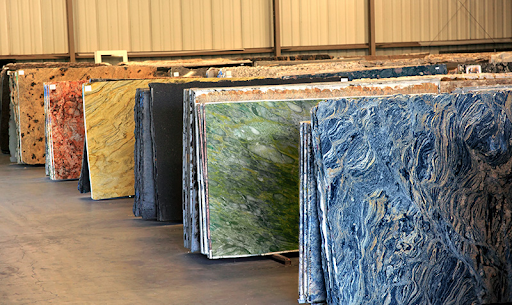
Something about it is calm, warm, and put-together. The colors work. The surfaces shine. Everything feels intentional. And nine times out of ten the stone surface is doing the heavy lifting.
Most homeowners spend weeks choosing cabinet colors and hardware finishes. But the stone surface? That often gets picked last, quickly, under pressure. That's a mistake. The stone surface is one of the most visible elements in your entire kitchen. It sets the tone for everything around it.
Here in Milwaukee, more homeowners are realizing this. They're walking into stone yards, touching slabs, holding cabinet samples up to natural light and making smarter decisions because of it. Many of them start their research by exploring Badger Stone and for good reason. Granite offers an incredible range of colors, patterns, and price points that suit almost every kitchen style imaginable.
This guide is your starting point. Whether your kitchen is modern, traditional, farmhouse, or somewhere in between there's a stone color out there that will make it shine. Let's find it.
Understanding Stone Surfaces
Not all stones are the same. Not even close.
Natural stone includes granite, marble, quartzite, soapstone, and slate. Each one has its own personality, its own color range, and its own quirks. Engineered stone like quartz is man-made but designed to mimic natural stone patterns with added consistency and durability.
The biggest thing to understand? Natural stone color is never perfectly uniform. Every slab is slightly different. That's not a flaw, it's the beauty of it. Two kitchens can have the "same" stone and look completely unique.
Color variation in natural stone happens because of mineral composition. Granite, for example, gets its color from feldspar, quartz, mica, and other minerals formed over millions of years underground. That's why no two slabs are ever identical.
For Milwaukee homeowners weighing their options, it helps to see stone in person. Online photos never tell the full story. Visit a local stone yard and spend real time with the slabs.
How to Choose the Right Stone Color for Your Kitchen Style
Color selection isn't just about personal preference. It's about how everything works together.
Your stone surface needs to have a conversation with your cabinets, your flooring, your backsplash, and your wall paint. If any of those elements clash the whole kitchen feels off.
Start with your cabinets. They're the dominant visual element in most kitchens. Your stone color should either complement them softly or contrast them intentionally. There's no in-between that works well.
Next, think about undertones. Every color has them warm (yellow, red, orange) or cool (blue, green, gray). Your stone's undertone should match or harmonize with your cabinets and flooring. Mixing warm and cool undertones is the number one mistake homeowners make.
Lighting changes everything too. A stone that looks warm and creamy in a showroom can look stark and gray in your north-facing kitchen. Always view samples in your actual space in morning light and evening light before committing.
The 60-30-10 rule is helpful here. 60% dominant color (cabinets and walls), 30% secondary color (stone surface and flooring), 10% accent (hardware and backsplash). Keep this in mind and your kitchen color story will feel intentional.
Stone Colors for White and Light-Toned Kitchens
White kitchens are the most popular canvas for stone surfaces and for good reason.
They're bright, they're timeless, and they give stone surfaces room to shine. The stone becomes the focal point. Everything else steps back.
For white and light-toned kitchens, you have two strong directions. You can go soft and subtle choosing a stone with quiet movement, soft whites, and barely-there gray veining. Or you can go bold choosing a dramatic, high-contrast stone that becomes the star of the room.
Both work beautifully. It just depends on your personality.
Soft, subtle options include Carrara white marble, White Fantasy quartzite, and light gray granite with minimal movement. These create a serene, spa-like kitchen feel.
Bold contrast options include Calacatta Gold marble, Super White quartzite, and black-veined white granite. These create a kitchen with real visual drama.
Practical Tip: Light stone surfaces show water spots and smudges more easily. A honed or leathered finish hides daily wear far better than a high-polish surface in a busy kitchen.
Stone Colors for Dark and Bold Cabinet Kitchens
Dark kitchens are having a serious moment right now.
Navy blue, charcoal gray, forest green, matte black bold cabinet colors are everywhere in Milwaukee homes, and they look incredible. But they need the right stone to balance them out.
The golden rule with dark cabinets? Go lighter with the stone. Warm, creamy tones create contrast and prevent the kitchen from feeling like a cave.
Gold-toned stones work beautifully here. Think Venetian Gold granite, Santa Cecilia granite, or Taj Mahal quartzite. These warm, honey-toned surfaces reflect light and bring genuine warmth to dark cabinetry.
Soft gray stones also work well especially with charcoal or navy cabinets. They create a sophisticated, tonal look without competing with the cabinet color.
What to avoid? Dark stone on dark cabinets. Unless you have exceptional lighting and very intentional design choices, this combination makes kitchens feel heavy and closed-in.
Stone Colors for Wood-Tone and Natural Kitchens
Natural, organic kitchens are growing fast. And Milwaukee homeowners are embracing this look wholeheartedly.
Wood-tone kitchens featuring oak, walnut, maple, or hickory cabinets feel warm, grounded, and deeply livable. The stone surface needs to honor that energy without disrupting it.
Earth-toned stones are your best friends here. Browns, warm taupes, rusts, soft golds, and warm grays all integrate beautifully with natural wood. They feel like they belong together because in nature, they do.
When you explore the full range of colors granite countertops come in, you'll find earthy options that pair perfectly with wood. Giallo Ornamental granite brings warm gold tones. Verde Butterfly adds green depth. Autumn Leaf granite delivers a rich brown and rust movement that feels genuinely organic.
The goal is cohesion. You want someone to walk into your kitchen and feel like every material was chosen together because it was.
Avoid stark white or very cool gray stones with warm wood cabinets. The temperature clash is jarring. Warm stone with warm wood is always the safer, more beautiful choice.
Stone Colors for Modern and Minimalist Kitchens
Modern kitchens demand discipline. Every element earns its place.
Clean lines, flat-front cabinets, minimal hardware, and uncluttered surfaces is the modern kitchen language. The stone surface in a modern kitchen needs to be intentional. Quiet or dramatic but never busy or fussy.
The most popular stone colors for modern kitchens fall into two categories. First, the near-solids soft whites, concrete grays, and jet blacks with very little movement. These let the architecture of the kitchen do the talking.
Second, the statement slabs bold, dramatic stones with strong linear veining used as a focal point. A bookmatched slab behind a floating island, for example, becomes functional art.
Engineered quartz works particularly well in modern kitchens because of its consistency. Options like Caesarstone Cloudburst Concrete and Silestone Eternal Calacatta deliver the modern aesthetic with low maintenance.
Stone Colors for Traditional and Classic Kitchens
Traditional kitchens are warm, rich, and deeply layered.
Raised-panel cabinets, decorative corbels, farmhouse sinks, and ornate hardware traditional kitchens tell a story of craftsmanship and comfort. The stone surface should feel like it's been there for decades. Timeless, not trendy.
Warm, rich stone tones suit traditional kitchens perfectly. Think deep creams, antique golds, warm burgundies, and rich browns with complex, ornate veining.
Crema Marfil marble brings soft cream warmth. Uba Tuba granite adds depth with its dark green and gold fleck pattern. Baltic Brown granite delivers a rich, luxurious tone that pairs beautifully with raised-panel cabinetry.
Here in Milwaukee, traditional homes especially those built in the early twentieth century have kitchens that respond beautifully to these warm, classic stone choices. They feel authentic to the home's character.
Stone Colors for Transitional Kitchen Styles
Transitional is the most popular kitchen style in American homes today. And Milwaukee homeowners love it.
It blends traditional warmth with modern simplicity. Shaker cabinets, clean hardware, and a mix of textures transitional kitchens are comfortable and current without being extreme in either direction.
This style offers the most stone color flexibility of any kitchen design. You can go warm or cool, subtle or bold, classic or contemporary. The stone choices available through trusted countertop suppliers in Milwaukee cover every direction a transitional kitchen might take.
Bianco Romano granite works beautifully with a soft white background with warm gray and gold movement. New Kashmir White granite offers a similar feel with slightly more drama. Alpinus quartzite adds a sophisticated, almost watercolor-like movement that feels right at home in transitional spaces.
The key to transitional design is intentionality. Every choice should feel deliberate. When a kitchen looks like someone just grabbed whatever was available that's when transitional becomes indecisive.
The Role of Veining, Movement, and Pattern
Veining is where stone gets its personality.
Some stones are quite soft, consistent backgrounds with barely visible movement. Others are dramatic bold veins cutting across the surface like brushstrokes on a canvas.
Neither is better. They serve different kitchens and different homeowners.
Subtle movement suits minimalist, modern, and soft transitional kitchens. It supports the design without stealing the show. Consistent, quiet stones like white quartz or soft gray granite let your cabinets and hardware take center stage.
Bold, dramatic movement suits traditional, farmhouse, and statement-driven modern kitchens. A slab with strong veining becomes a genuine focal point especially on an island or a waterfall edge.
Pattern scale matters too. Large kitchens can handle big, bold veining. Small kitchens often look better with finer, more delicate movement that doesn't overwhelm the space.
Practical Tip: Stand back six to eight feet when evaluating a slab's movement. That's roughly how far away you'll be viewing your countertop from across the kitchen. What looks dramatic up close often softens beautifully at distance.
Finish Options and How They Change Color Perception
The finish on your stone changes everything including how the color reads.
Polished finish brings out the deepest, richest version of the stone's color. It's reflective and glamorous. But it shows fingerprints, water spots, and scratches more readily.
Honed finish is matte and soft. Colors appear slightly lighter and more muted. It's forgiving with daily use and has a very organic, natural feel.
Leathered finish adds a subtle texture almost like the surface of leather. Colors appear warmer and deeper than honed but without the high gloss of polished. It hides smudges better than any other finish.
For busy Milwaukee families, honed or leathered finishes on darker stones are incredibly practical. They look beautiful and forgive the daily chaos of a real kitchen.
Practical Tip: Ask your stone fabricator for a sample of each finish on your chosen stone before deciding. The same slab in polished vs. leathered can look like two completely different stones.
Relevant Stone Trends Milwaukee
Milwaukee kitchens have their own personality.
The architecture here from historic Craftsman bungalows to newer builds in the suburbs influences how stone surfaces are chosen and used. Local designers and fabricators have a strong sense of what works in this market.
Right now, warm-toned stones are incredibly popular across Milwaukee. Creamy whites, soft golds, and warm grays are outselling the cooler, starker tones that dominated a few years ago. Homeowners want kitchens that feel inviting especially given the long Wisconsin winters.
Quartzite is gaining serious ground as an alternative to marble. It offers similar beauty with significantly better durability. Local fabricators are seeing strong demand for Taj Mahal, White Macaubas, and Calacatta Macaubas quartzite.
For homeowners looking to explore kitchen stone surface options near Milwaukee, visiting a local slab yard is always the best first step. Seeing full slabs in natural light, not online thumbnails, is the only way to make a confident decision.
Practical Tip: Visit the stone yard on a weekday morning when natural light is strongest and the yard is less crowded. You'll have more time with staff and better light to evaluate slabs accurately.
Tips Before You Commit to a Stone Color
Slow down before you sign anything. This decision lasts decades.
Here are the most important steps before committing to a stone color:
View large samples. Small chips lie. A 4-inch sample cannot tell you how a slab will read across an entire kitchen. Always see the full slab before deciding.
Bring your materials. Cabinet door sample. Flooring swatch. Backsplash tile if you've chosen it. Hold them together against the stone in the yard. This is the only accurate way to evaluate compatibility.
Check at different times of day. Bring your sample home if possible. See it in your kitchen at 7am, at noon, and at 7pm. Light changes dramatically and so does how your stone reads.
Ask about maintenance by color. Lighter stones often require more frequent sealing. Darker stones show water spots. Polished marble etches easily. Know what you're committing to before you fall in love.
Get a full slab layout. Before fabrication begins, ask your fabricator to show you exactly how the slab will be cut for your countertops. This is called a layout. It prevents surprises and ensures the veining flows the way you want.
Choose Stone That Adds Value
Yes and more than most homeowners expect.
Why Stone Color Impacts Your Home's Value
- Kitchen renovations deliver some of the strongest resale returns in the Milwaukee market
- Countertops are one of the first things buyers touch during a home showing
- Stone surface upgrades are a key driver of kitchen renovation ROI
- Updated kitchens with quality stone sell faster and closer to asking price
Stone Colors That Appeal to the Most Buyers
- Soft whites bright, clean, and universally appealing
- Warm creams inviting, timeless, and flattering in any light
- Classic grays sophisticated and broadly attractive
- Subtle veining adds character without polarizing buyers
What to Avoid If Resale Matters
- Trendy or bold colors that date quickly
- Overly dark surfaces that photograph poorly
- Highly specific styles that narrow your buyer pool
- Finishes that show heavy wear over time
What Natural Stone Communicates to Buyers
- Quality it signals the kitchen was done right
- Durability buyers trust stone over laminate or tile
- Craftsmanship granite and quartzite carry real perceived value
- Confidence sellers with natural stone negotiate from a stronger position
Focus on stone colors that photograph beautifully. Warm whites and creamy tones with subtle veining perform best in listing photos and that's exactly where today's buyer decisions begin.
Conclusion
The right stone color doesn't just complete your kitchen. It elevates it.
It makes the cabinets look more expensive. It makes the space feel larger, warmer, or more dramatic depending on what you're going for. It ties every other design decision together in a way that no other material can.
Milwaukee homeowners who take the time to explore their options really explore them, in person, with their materials in hand always end up more confident in their choice. And more in love with their finished kitchen.
Don't rush this decision. Visit the stone yard. Hold the samples. See them in your actual light. Ask questions. Work with people who know this material deeply.
Your kitchen tells a story every single day. Make sure the stone you choose helps tell it beautifully.