Digital Balance and Mental Health: Stay Well in Connected World
Posted by Chichi Cinderella
Filed in Technology 795 views
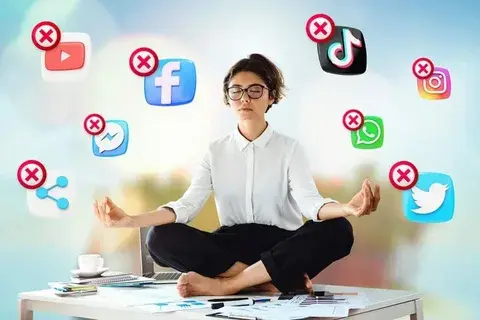
The Age of Constant Connection
Everywhere you look, someone’s online—scrolling, posting, or replying. Being connected all the time has become normal. Phones buzz, screens glow, and attention shifts every few seconds. The internet connects people like never before. You can talk to friends across the world, learn new skills, or follow your favourite creators in real time. But staying constantly connected also comes at a cost. The same technology that brings people together can wear the mind down. Finding balance between online life and mental health has become one of today’s biggest challenges.
The Mental Load of Being Online
The human brain wasn’t built to process endless information. Every scroll adds something new, news, opinions, updates, and motions. It’s a lot to take in. Over time, this constant input can lead to fatigue and stress. Many people don’t notice it happening because the habits feel normal. Checking notifications every few minutes has become part of modern life. Tools like Instanavigation make it even easier to move across platforms instantly. It saves time, but it also keeps users in a loop—jumping from one app to another without pause. Without clear limits, digital life can quietly take over real life
How Social Media Shapes Emotions
Social media triggers emotion faster than almost any other medium. A single post can make you laugh, feel inspired, or feel left out, all within seconds.
Seeing perfect images and success stories can create pressure. People start comparing themselves to others, even when they know most posts show only the highlights. This comparison affects confidence and self-esteem. It’s not just about how you look or what you own, it’s about feeling “enough.” When self-worth starts depending on online validation, mental health begins to suffer. The good news is that awareness can help break the pattern. Recognizing when social media affects your emotions is the first step toward digital balance.
The Connection Between Stress and Screens
Screens don’t just strain the eyes; they strain the mind. The blue light from phones and tablets affects sleep cycles, especially when used at night. Scrolling before bed keeps the brain active when it should be winding down. Notifications at all hours can interrupt rest, making mornings harder and focus weaker. Over time, this leads to a constant state of low-level stress. You’re always alert, always checking, always thinking about the next update. Setting screen-free hours, especially before bedtime, can help the brain recharge. Sleep is the body’s reset button, and digital balance protects it.
The Role of Online Validation
Likes, comments, and views seem small, but they have big effects. Each one gives the brain a quick burst of dopamine, the same chemical released during excitement or reward.
That’s why checking social media feels addictive. The more feedback you get, the more you want. When engagement drops, mood often drops too. For creators, this can be even stronger. Tools such as Instagram Story Viewer make it easy to track who’s watching or interacting. This data can be helpful, but it can also increase pressure to perform or post more often. The key is remembering that numbers don’t define personal value. Real worth comes from connection, not comparison.
Setting Boundaries That Protect Mental Health
Balance doesn’t mean deleting everything; it means setting limits. Start by defining how much time you want to spend online each day. Use app timers or focus modes to help you stay on track. Turn off notifications that aren’t important. Try scheduling social media breaks throughout the week. Spend that time doing something physical or creative instead. Even small changes, like not checking your phone right after waking up, can reduce stress levels. Boundaries aren’t restrictions; they’re protection for your peace of mind.
Digital Detox: The Power of Logging Off
Taking a break from screens can feel strange at first, but it’s incredibly refreshing. A digital detox doesn’t mean cutting technology completely. It’s about creating space for quiet. That might mean spending a weekend without social apps or leaving your phone in another room for a few hours. These breaks reset attention and reduce mental noise. People often notice clearer thinking, better sleep, and more energy afterwards. Logging off gives the brain a chance to rest from constant alerts and endless scrolling. It’s like hitting “refresh” on your mental health.
Technology That Encourages Balance
Ironically, the same technology that overwhelms us can also help us heal. Many devices now come with tools for managing screen time, adjusting focus settings, and providing mindfulness reminders. Apps encourage users to breathe, stretch, or take breaks during long sessions. In the future, artificial intelligence may help users detect stress or fatigue and suggest time away from the screen automatically. Balance isn’t about rejecting progress; it’s about using it wisely.
Conclusion
Digital balance isn’t about less life, it’s about more life outside the screen. Technology should serve you, not control you. When used mindfully, it connects, informs, and inspires. But without limits, it can drain focus and happiness. Take time to pause, breathe, and set boundaries. Turn off the noise once in a while. Your mind deserves calm as much as it deserves connection. In a world that’s always online, balance is the truest form of self-care.