Acne Treatment That Actually Works: A Calm, Clinical Roadmap to Clearer Skin
Posted by Enfield royal Medspa
Filed in Health 235 views
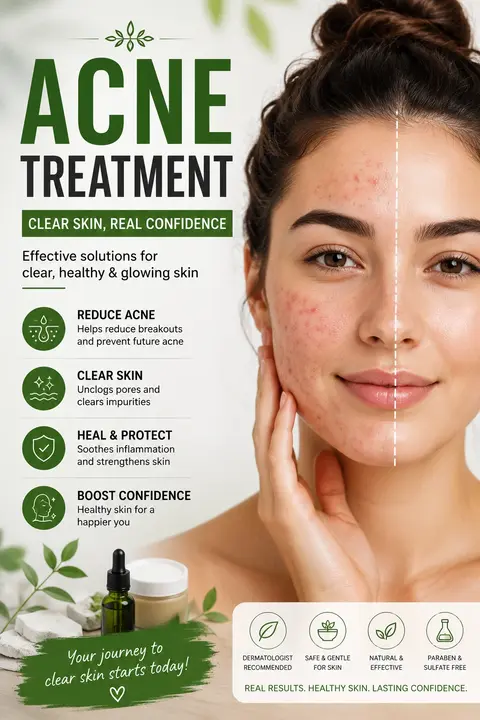
Acne has a way of taking up more space than it should. It’s there when you wash your face in the morning, there when you catch your reflection in a window, there when you mentally catalogue every breakout before a meeting or a date. It’s easy to internalize acne as a personal failure—something you must be doing wrong with your products, your diet, your stress levels. The truth is that acne is a complex medical condition rooted in genetics, hormones, and inflammation. Blaming yourself only adds a layer of anxiety that can, ironically, make the problem worse. At Enfield Royal Medspa, acne is treated with the seriousness it deserves: not as a superficial blemish to be dried out and scrubbed away, but as a chronic, inflammatory skin condition that requires a smart, layered, and patient-centered approach.
The good news—genuinely—is that effective acne treatment exists. It doesn’t rely on miracle ingredients or punishing routines. It relies on science, consistency, and often, a combination of professional in-office procedures and a supportive home skincare regimen that works with your skin’s biology rather than against it.
Understanding Acne: A Chain Reaction Under the Skin
Acne begins deep in the pilosebaceous unit, which is the technical name for a hair follicle and its attached oil gland. In acne-prone skin, a sequence of four events unfolds: excess sebum production, abnormal shedding of dead skin cells that clogs the follicle, overgrowth of the normally harmless bacterium Cutibacterium acnes, and inflammation. Your hormones, particularly androgens, drive that first step by telling oil glands to go into overdrive. Then the follicle gets sticky and blocked, bacteria multiply in the trapped oil, and your immune system responds with redness, swelling, and pus.
What happens on the surface is a blackhead, whitehead, pimple, or deep cyst—each representing a different stage of that inflammatory cascade. And beneath every visible spot, there can be ongoing damage to collagen and surrounding tissue. That’s why acne often leaves behind scars and dark marks long after the original breakout heals. Treating acne effectively means interrupting this chain reaction at multiple points, not just drying out a spot once it has already appeared.
Why Drugstore Products Alone Are Often Not Enough
There’s a reason the skincare aisle is overwhelming. Salicylic acid cleansers, benzoyl peroxide creams, sulfur masks—these over-the-counter options can certainly help mild, occasional breakouts. But for moderate or persistent acne, they often fall short. They may not penetrate deeply enough to unclog pores at the source, they don’t address hormonal drivers, and they can be too harsh when used aggressively, stripping the skin barrier and causing more inflammation. Inflamed skin makes more oil, creating a cycle that’s hard to break without help.
A professional assessment shifts the approach from reactive spot treatment to a strategic, full-face plan. A trained provider can evaluate your acne type—whether it’s predominantly comedonal (blackheads and whiteheads), inflammatory (papules and pustules), or hormonal (often jawline and chin cysts in adult women). From there, they can bring in prescription-grade topicals like retinoids, which normalize cell turnover and unclog pores; azelaic acid, which calms inflammation and fades hyperpigmentation; or tailored antibiotic or hormonal therapies when appropriate. This targeted foundation often makes the difference between years of frustration and steady, visible progress.
In-Office Procedures That Accelerate Clearing
For many people, professional treatments become the bridge between a decent home routine and truly clear, smooth skin. These procedures don’t replace daily care—they amplify it, addressing active acne, fading scars, and restoring skin texture more rapidly than topicals alone.
Chemical peels for acne typically use beta-hydroxy acids like salicylic acid, which is oil-soluble and can dive into clogged pores to dissolve debris. Glycolic acid peels, on the other hand, exfoliate the surface, improving the look of post-acne discoloration and rough skin texture. A series of light peels, spaced two to four weeks apart, can calm active breakouts and gradually erase the dull, uneven tone that acne leaves behind. Because the concentration and timing are controlled precisely, a professional peel avoids the risk of at-home over-exfoliation.
Medical extractions, performed with sterile instruments by a skilled provider, safely clear blackheads, whiteheads, and small pustules. When you try to squeeze at home, you risk pushing the blockage deeper and rupturing the follicle wall, turning a non-inflamed clog into an angry, red cyst. In professional hands, extractions are methodical, gentle, and dramatically reduce the likelihood of scarring.
Laser and light treatments offer another layer. Blue light therapy targets C. acnes bacteria directly, reducing the microbial load without irritating the skin. Certain lasers can shrink overactive oil glands and reduce inflammation over time. For patients dealing with the red or brown marks that persist long after acne fades, vascular lasers and gentle fractional resurfacing can significantly improve skin tone and smooth shallow acne scars.
Microneedling for acne scars deserves mention as a treatment for the aftermath rather than active breakouts. By creating thousands of microscopic channels in the skin, it stimulates collagen induction therapy, which gradually fills in depressed scars and improves overall skin texture. It’s important that the skin is clear of active inflammatory acne at the time of treatment, but once that baseline is reached, microneedling can be an invaluable tool for scar revision.
For deep, painful cysts that risk leaving permanent scars, a quick corticosteroid injection can flatten the lesion within 24 to 48 hours. This is a rescue measure, not a primary acne treatment, but it’s a powerful option for preventing scars before they form.
The Gentle Home Routine That Supports Everything Else
In-office treatments do their best work when supported by a consistent, simple, and non-irritating home routine. The goal is to treat active acne while preserving the skin barrier, because a damaged barrier leads to more inflammation, more oil, and more breakouts. A practical, evidence-based daily regimen often looks like this:
- A gentle, pH-balanced cleanser: Avoid harsh foaming washes that strip the skin. Cleanse twice a day with lukewarm water.
- A targeted active ingredient: Your provider may recommend a prescription retinoid at night to keep pores clear and cell turnover steady, or a benzoyl peroxide formulation to reduce bacteria, or azelaic acid to tackle both acne and post-acne pigmentation.
- A lightweight, non-comedogenic moisturizer: Hydration is not the enemy. Well-hydrated skin produces less excess oil and heals faster.
- A broad-spectrum, mineral-based sunscreen every morning: This is non-negotiable. Many acne treatments make skin more sun-sensitive, and UV exposure darkens post-inflammatory hyperpigmentation, making marks linger far longer than they would otherwise.
This routine isn’t flashy, but it works. It reduces inflammation, prevents new clogs, and gives the skin a stable foundation on which professional treatments can build.
Who Is a Candidate and When to Seek Professional Help
Anyone experiencing acne that doesn’t respond to over-the-counter products, or that is leaving behind dark marks or scars, should consider a professional evaluation. Teens, young adults, and middle-aged adults with hormonal acne are all candidates. Acne across all skin tones can be safely treated when the approach respects individual physiology. Those with dark skin, in particular, benefit from early intervention because post-inflammatory hyperpigmentation can be more persistent and emotionally distressing than the acne itself.
There are times when certain treatments should be avoided: active skin infections, pregnancy, breastfeeding, recent use of isotretinoin, or a history of keloid scarring require careful navigation. A thorough medical intake and honest conversation will guide the right choices.
Realistic Expectations and the Long Game
Acne treatment is a marathon, not a sprint. A new routine may cause a brief purging period—where clogs come to the surface faster—before clearing begins. Visible improvement in inflammatory acne often appears within four to eight weeks of consistent treatment, with optimal results unfolding over three to six months. In-office procedures can accelerate that timeline, particularly for stubborn lesions and pigmentation, but they are not instant fixes.
Equally important is the understanding that acne is chronic. Clear skin can be achieved and maintained, but maintenance matters. Many people continue a low-dose topical retinoid or periodic peel long-term to keep things under control, and they have a plan in place for the rare flare. The victory is not just a clear complexion; it’s the confidence of knowing that your skin no longer dictates your plans or your mood.
If you’re tired of fighting acne alone and are ready for a grounded, medically sound plan that treats your skin with respect, the team at Enfield Royal Medspa in Melbourne, FL, can help you navigate the options and build a strategy that fits your life, your skin, and your goals.