Professional Fire Door Maintenance London for Residential, Commercial & Managed Properties
Posted by Liviosiv LTD
152 views
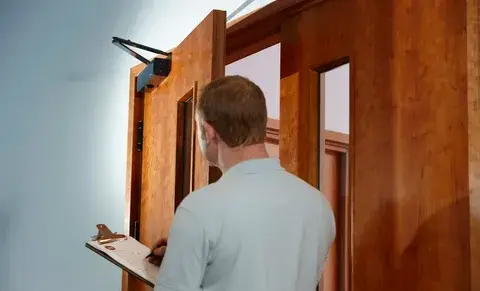
A fire door can look perfectly serviceable and still have defects that affect how it performs. A worn smoke seal, loose hinge, poorly adjusted closer or excessive gap may seem minor during everyday use, yet these details matter when the door is expected to restrict fire and smoke.
This is why professional fire door maintenance London services aren't limited to repairing visibly damaged doors. Maintenance involves checking the complete door assembly, identifying deterioration and completing suitable repairs before small defects become larger problems.
For landlords, freeholders, managing agents and commercial property operators, regular attention to fire doors also provides a clearer record of building safety work. In properties containing many doors, planned maintenance can be far easier to manage than waiting until defects are identified during a formal inspection or Fire Risk Assessment.
Why Fire Doors Need Ongoing Maintenance
Fire doors experience normal wear just like other heavily used parts of a building. The difference is that they're expected to retain a specific safety function.
Communal doors in blocks of flats may open and close hundreds of times each week. Office corridor doors, hotel bedroom doors and doors serving busy commercial areas can experience even greater use. Hinges loosen, closers lose adjustment, seals become damaged and latches stop engaging properly.
Building movement can also change the gaps between the door leaf and frame. Decorating work sometimes creates other issues, particularly when seals are painted over or unsuitable replacement hardware is installed.
Regular fire door maintenance gives property managers an opportunity to find these defects early.
What Is Checked During Fire Door Maintenance?
The work required depends on the door's condition, specification and location. Maintenance should consider the complete assembly rather than focusing only on the door leaf.
Typical checks can include:
-
Condition of the door leaf and frame
-
Gaps around the sides, head and threshold
-
Intumescent strips and smoke seals
-
Hinges and fixings
-
Self-closing devices
-
Locks, latches and handles
-
Fire-rated glazing where present
-
Letterplates and viewers where fitted
-
Signage where required
-
Condition around the frame
-
Evidence of damage or unauthorised alterations
The self-closing action deserves particular attention. Where a fire door is required to self-close, the closer needs to bring the door fully into its closed position without someone pulling or pushing it into place.
A door that stops a few centimetres short of the frame isn't performing its intended everyday function, even if the leaf itself remains in good condition.
Common Fire Door Defects and Typical Responses
Some defects can be addressed through maintenance or suitable fire door repair. Others may require further investigation or replacement.
| Defect Found | Why It Matters | Typical Response |
|---|---|---|
| Damaged or missing seals | Fire and smoke control may be affected | Replace with suitable compatible seals |
| Door doesn't self-close | Door may remain open during a fire | Adjust, repair or replace the closer as appropriate |
| Loose or damaged hinges | Door alignment and operation can be affected | Repair fixings or fit suitable fire-rated hinges |
| Excessive gaps | Door may not perform as intended | Assess and carry out an appropriate gap repair where possible |
| Damaged frame | Can affect the door assembly | Repair or replace depending on condition |
| Faulty latch | Door may not remain properly closed | Adjust or replace compatible hardware |
| Damaged glazing | Fire performance may be affected | Specialist assessment and suitable replacement |
| Major damage to door leaf | Repair may not be appropriate | Consider replacement with a suitable fire door or doorset |
Repairs should match the particular door rather than relying on general carpentry methods. A repair that makes a door look better isn't automatically a suitable fire door repair.
Fire Door Inspections and Maintenance Are Different Tasks
Fire door inspections London property managers arrange are generally intended to establish the condition of the doors and identify defects. Maintenance is the work carried out to address appropriate defects and keep the doors operational.
The two services work well together.
An inspection may identify that a closer requires adjustment, smoke seals are damaged and a door has excessive gaps. The maintenance stage can then deal with those findings using suitable materials and repair methods.
For larger properties, this creates a practical inspection-to-repair process. Each door can be given an identification number, its defects recorded and the completed work logged against the same reference.
This approach is particularly useful for managing agents responsible for multiple blocks or commercial sites.
When Is Fire Door Repair Appropriate?
Fire door repairs can be appropriate where the existing door remains suitable and the defect can be corrected without affecting its expected performance.
Examples can include closer adjustment, replacement of compatible seals, appropriate hinge work and certain gap-related remedials.
The decision becomes less straightforward when there is extensive damage, an unsuitable door leaf, major frame deterioration or uncertainty about the original door specification.
In those situations, repeated repairs may not make sense. Replacement or further assessment can be the better course.
Fire door repairs UK contractors undertake should take account of available product information and the nature of the existing doorset. Property managers should be cautious about repairs that substantially alter a door without evidence that the method is suitable.
Maintenance in Residential and Managed Blocks
Fire doors in managed residential buildings deserve particular attention because they may form part of the protection provided to communal areas and escape routes.
Flat entrance doors can experience everyday wear from residents, deliveries, moving furniture and decorating. Communal doors may receive even heavier use.
A managing agent dealing with 40 or 50 doors needs a different maintenance process from a homeowner dealing with one door. Numbering individual doors and maintaining a register can make the work much easier.
The record might identify the property, floor, door location, inspection date, defects found, repair date and any further action required.
Photographs can also be retained before and after repairs. This gives property managers a practical record when maintenance histories need to be reviewed later.
Fire Door Maintenance in Commercial Properties
Commercial premises present their own maintenance issues.
Offices, shops, warehouses, hotels, healthcare premises and other workplaces may contain doors serving corridors, staircases, storage rooms, kitchens, plant rooms and higher-risk areas. Some doors receive heavy daily use, while others remain closed for long periods and may receive little attention.
Commercial fire door installation should be followed by appropriate inspection and maintenance rather than treated as a one-time project.
Changes to a commercial building can also affect existing doors. Refurbishment work, new access-control systems and replacement locks may introduce hardware that wasn't part of the original arrangement.
Property managers should make sure later alterations don't compromise the intended operation of the fire door.
When Replacement Becomes Necessary
Maintenance has limits. There are cases where fire door repair isn't a reasonable answer.
A badly damaged leaf, unsuitable door, heavily deteriorated frame or poorly executed previous alteration may lead to replacement being recommended. Where this happens, professional fire door installation London services may be required.
Fitting a fire door involves selecting and installing a suitable door assembly for the location. Depending on the project, work may include the door leaf, frame, intumescent seals, smoke seals, hinges, closer, compatible ironmongery and surrounding installation details.
The fire door installation cost UK property owners face will vary according to specification, dimensions, glazing, hardware, site access and the amount of work required to the opening.
This makes a site assessment useful before a replacement quotation is finalised.
Documentation After Installation and Maintenance
Good records matter, particularly in managed properties.
Where a new door is installed, clients commonly ask about a fire door installation certificate. The exact documentation available depends on the installation, products, contractor and any applicable certification arrangements.
A fire door installation certificate UK clients receive should be retained alongside relevant product information and other property fire safety records.
Maintenance records are useful too. They can show when a defect was identified, what action was taken and when the repair was completed.
Rather than keeping scattered invoices and photographs, larger sites benefit from maintaining an organised door register.
Searching for Fire Door Maintenance Near Me
A search for "fire door maintenance near me" may produce companies offering everything from general joinery to specialist fire door work. Property owners should look beyond distance and price when comparing contractors.
Useful questions include whether they regularly work with fire doors, whether they provide inspection and repair services, how they determine whether a repair is suitable and what documentation is provided after completion.
Searching for "fire door installers near me" or "fire door installation near me" may also be appropriate when an existing door can't reasonably be repaired.
A provider capable of handling inspections, maintenance, fire door repairs and replacement can make managing a larger portfolio easier because identified defects don't need to be passed between several contractors.
Planned Maintenance Can Reduce Disruption
Reactive repairs can become inconvenient in occupied buildings. Access has to be arranged at short notice, residents or tenants need to be contacted and individual visits can increase management time.
Planned fire door maintenance offers another option.
A group of doors can be inspected, defects recorded and appropriate repairs organised in batches. This can be particularly useful in apartment blocks, office buildings and managed estates.
It also allows urgent defects to be separated from lower-priority maintenance rather than treating every issue in exactly the same way.
Fire doors should still be monitored between formal visits. Building staff and property managers can report obvious damage, doors that stop self-closing or missing seals as soon as they're noticed.
Choosing a Fire Door Maintenance Provider in London
A professional contractor should be willing to explain what has failed, what repair is proposed and why the chosen method is suitable.
Clear quotations are helpful. Instead of a general description such as "fire door remedials," the scope can identify individual tasks such as closer adjustment, seal replacement, hinge work or gap correction.
Liviosiv is one London provider working with landlords, property managers, freeholders, businesses and homeowners on fire door-related work. They offer fire door inspections, maintenance, fire door repairs London services and installation where replacement is required.
Using one provider for inspection and follow-up remedial work can also help property managers keep records consistent across multiple doors.
Keeping Fire Doors Serviceable Over the Long Term
Fire door maintenance isn't simply about responding to a failed inspection. It is about keeping installed doors in a suitable working condition throughout their service life.
Doors should close correctly, seals should remain intact, hardware should be suitable and damage should be dealt with rather than allowed to accumulate. Where a repair is no longer appropriate, replacement should be considered.
For managed properties, a combination of routine checks, documented Fire door inspections London services and planned repairs provides a practical way to manage large numbers of doors without losing track of individual defects.
Contact Liviosiv
Landlords, managing agents, freeholders and businesses searching for fire door maintenance near me can contact Liviosiv to discuss inspections, maintenance, repairs or replacement work across London. They can assess individual doors as well as larger residential and commercial portfolios. Liviosiv can be contacted on
Company Name: Liviosiv
Address: 34 Ennismore Avenue, Greenford, England, UB6 0JN
Phone: +442046178121
Email: contact@liviosiv.co