The Complete Guide to Assam Tea: Origin, Taste, Types & How to Brew
Posted by Zaidaan Omar
Filed in Other 98 views
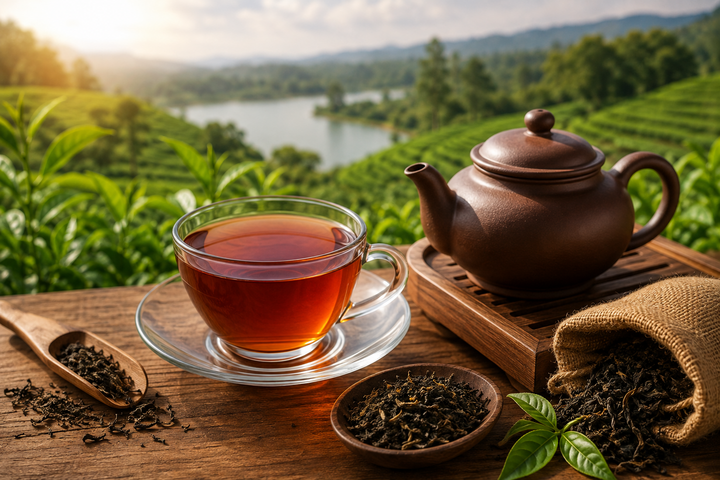
Assam tea is one of India's most distinctive and widely recognised teas. Grown in the lush, rain-rich landscapes of northeastern India, it is known for its bold character, malty flavour, deep colour, and strong aroma. Whether enjoyed as a morning cup, blended into traditional chai, or served with milk, Assam tea has become an important part of India's tea culture.
But what makes Assam tea different from other tea? From its origins and unique growing environment to its varieties and brewing methods, there is plenty to discover.
What is Assam Tea?
Assam tea is tea produced in the Assam region of northeastern India, particularly around the Brahmaputra Valley. It is primarily made from the Assam variety of the tea plant, Camellia sinensis var. assamica, which is naturally suited to Assam's warm and humid climate.
Unlike many delicate teas, Assam tea is generally recognised for its robust body and strong flavour. This makes it particularly suitable for breakfast teas and milk-based preparations.
The term "Assam tea" can refer to different styles and grades, so its flavour and appearance can vary depending on the estate, season, processing method, and leaf grade.
The Origin and History
Assam has a long association with tea cultivation, with the indigenous tea plant being an important part of the region's history. The discovery and development of Assam's tea resources during the nineteenth century eventually led to the establishment of organised commercial tea cultivation.
The region's geography played an important role in this development. The Brahmaputra Valley's warm temperatures, high rainfall, fertile soil, and humid conditions create an environment well suited to tea cultivation.
Over time, Assam developed into one of the world's major tea-producing regions, with tea gardens spread across different parts of the state.
What Makes Assam Tea Unique?
The character of Assam tea is closely connected to its growing environment. Assam's warm, humid climate and abundant rainfall encourage vigorous tea-plant growth.
Several characteristics commonly associated with Assam tea include:
- Bold and full-bodied character
- Malty and robust flavour
- Deep reddish or coppery liquor
- Strong and pleasant aroma
- Good compatibility with milk and sweeteners
However, not every Assam tea tastes exactly the same. Seasonal harvests, altitude, estate location, processing style, and leaf grade can all influence the final cup.
What Does Assam Tea Taste Like?
One of the easiest ways to recognise Assam tea is through its characteristic flavour profile.
A well-made Assam tea can have malty, brisk, earthy, slightly sweet, or woody notes, depending on the particular tea. Some teas may also have subtle fruity or honey-like characteristics.
Its strong body makes Assam particularly popular among people who prefer a tea with noticeable flavour rather than a very delicate cup.
When milk is added, the tea's strength allows its flavour to remain prominent, which is one reason Assam tea is widely used in traditional Indian chai.
Types and Styles of Assam Tea
Assam tea is available in several forms, and understanding the differences can help you choose the right one.
1. Orthodox Assam Tea
Orthodox tea is produced using traditional tea-making techniques that preserve more of the leaf's natural shape. Depending on the grade and harvest, orthodox Assam tea can offer greater complexity and layered flavours.
It is often preferred by tea drinkers who enjoy loose-leaf tea and want to explore the nuances of Assam's character.
2. CTC Assam Tea
CTC stands for Crush, Tear, Curl, a processing method that breaks tea leaves into small, uniform particles.
CTC Assam tea generally produces a strong, brisk infusion and is particularly popular for Indian chai. Its robust character makes it well suited to milk, sugar, spices, and other chai ingredients.
3. Assam Tea Grades
Assam teas can also be classified using different leaf grades and terminology. Terms such as OP, BOP, BP, and other grading descriptions may appear on tea packaging.
These terms generally describe aspects such as leaf size and appearance rather than automatically indicating quality. The best choice ultimately depends on the tea's processing, freshness, origin, and your preferred taste.
How to Brew Assam Tea?
Brewing Assam tea properly can bring out its full character.
For loose-leaf Assam tea, start with fresh water and use approximately 1 teaspoon of tea per cup, adjusting according to the tea and your preferred strength.
Use hot water and allow the tea to steep for around 3–5 minutes as a starting point. You can adjust the brewing time depending on how strong you prefer your tea.
For a traditional milk tea, brew the Assam tea slightly stronger before adding warm milk and your preferred amount of sweetener.
Brewing Tips for a Better Cup
Use fresh water rather than repeatedly boiled water.
Avoid over-steeping delicate Assam teas.
Adjust the quantity of leaves to control strength.
Experiment with brewing time to discover your preferred flavour.
For chai, choose a robust CTC Assam tea that can stand up to milk and spices.
Final Thoughts
Assam tea is more than simply a strong cup of black tea. Its rich history, distinctive growing environment, bold flavour, and versatility have helped make it an important part of India's tea heritage.
Whether you prefer traditional loose-leaf orthodox tea, robust CTC tea for chai, or a refreshing iced preparation, Assam offers plenty of variety to explore.
The best way to appreciate Assam tea is to try different estates, harvests, grades, and brewing methods. Once you understand how these factors influence the cup, you can begin to discover the particular Assam tea profile that suits your palate.