Single Action vs Double Action Baler Machines: A Practical Guide to Scrap Bundling
Posted by Nut Cracker
Filed in Other 2 views
Loose scrap is expensive to handle. It eats yard space, inflates freight costs, and fetches a lower price than clean, compact material. That is why balers sit at the centre of almost every serious scrap and recycling operation. Whether you process aluminium, steel sheet, cardboard, plastic, or mixed offcuts, a well-chosen scrap bundling machine turns a messy pile into dense, stackable, transport-ready bales.
The real question for most buyers is which design to choose. This blog explains how a baler works, how a single action baler machine differs from a double action baler machine, and what Indian recyclers should consider before investing.
What Is a Baler and Why Does It Matter?
A baler is a hydraulic compaction machine. Loose material is loaded into a chamber and squeezed by a powerful hydraulic ram until it forms a compact bale, which is then tied, wrapped, or ejected depending on the design.
The benefits are straightforward:
- Lower transport cost: dense bales mean more tonnage per truck.
- Better storage: bales stack neatly and free up valuable floor space.
- Higher resale value: furnaces and mills prefer uniform, dense feedstock.
- Cleaner operations: a tidy yard improves safety and workflow.
Single Action Baler Machine: How It Works
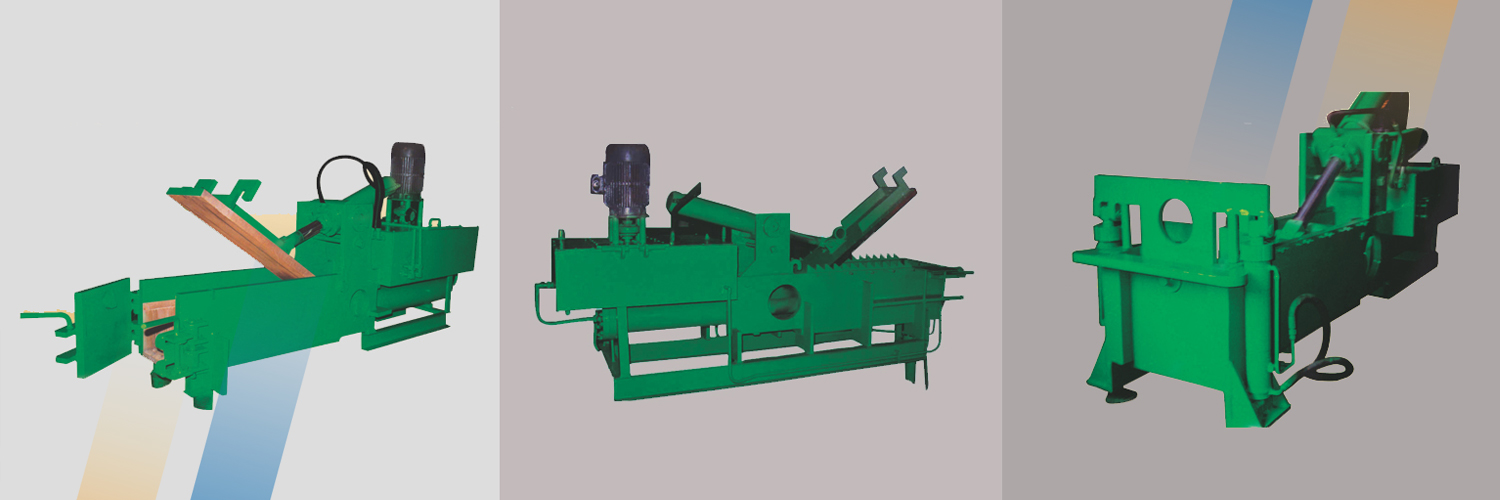
In a single action baler machine, one hydraulic cylinder presses the material in a single direction. The operator loads the chamber, the ram compresses the scrap against a fixed end, and the finished bale is pushed out or removed.
Where it fits best:
- Small and medium recycling units
- Operations with moderate daily volumes
- Lighter materials such as thin sheet scrap, cans, and cardboard
- Businesses starting out or working with limited space and budget
Strengths: simple construction, easier maintenance, lower initial investment, and a smaller footprint.
Limitations: cycle times are generally longer, and bale density and consistency can vary more, especially with springy or irregular material.
Double Action Baler Machine: How It Works
A double action baler machine, often called a double action baling press machine, uses two compression stages. Material is first pressed in one direction, then compressed again from a second direction. This extra stage squeezes out trapped air and gaps, producing a denser, more uniform bale.
Where it fits best:
- High-volume scrap yards and processing plants
- Heavier or springy materials such as aluminium and steel scrap
- Buyers who must meet strict bale density or size specifications
- Operations focused on export or mill-grade supply
Strengths: higher bale density, better shape consistency, and stronger suitability for continuous, heavy-duty work.
Limitations: a higher purchase price, more complex hydraulics, and a larger installation footprint.
Choosing Between the Two
Neither design is automatically better. A single action baler suits lighter, lower-volume work where simplicity, a compact footprint, and a lower budget matter most. A double action baler is the stronger choice when you handle heavy or springy scrap, run high volumes, or must deliver dense, uniform bales to mills and exporters. The right machine is the one that matches your material, volume, and bale specification.
Key Factors to Consider Before Buying
1. Material type. Soft materials compress easily, while springy metals push back and need more force and a second compression stage.
2. Daily volume. Estimate peak throughput, not just averages. An undersized machine becomes a bottleneck quickly.
3. Required bale size and density. Check your buyers' specifications first. Mills and exporters often have strict requirements.
4. Press force and hydraulic system. Ask about cylinder size, pump capacity, and oil cooling, as these determine consistency under continuous use.
5. Build quality. Chamber plate thickness, wear liners, and frame rigidity decide how the machine ages.
6. Feeding and ejection method. Manual, conveyor, or grab feeding changes labour needs and speed.
7. Safety features. Interlocks, guarded access, emergency stops, and overload protection are essential.
8. After-sales support. Availability of spares, seals, and service engineers keeps downtime low.
Nut Cracker: Balers Built for Indian Scrap Operations
Nut Cracker (Nut Cracker Group) is an Indian manufacturer of recycling and scrap processing machinery, and its range covers equipment that fits naturally alongside baling, including shearing and shredding systems. For recyclers shortlisting balers, Nut Cracker's approach is to match the machine to the material and the operation, rather than offering one generic model for every yard. That matters because a baler handling aluminium offcuts has very different demands from one compacting steel sheet or packaging waste.
Buyers can also look at how a baler fits within a complete line. Scrap is often sheared or shredded first and then baled, so sourcing connected equipment from one manufacturer can simplify planning, servicing, and spare parts.
Common Mistakes to Avoid
- Choosing on price alone. A low-cost baler with weak cylinders or thin plates can cost far more in repairs and lost output.
- Ignoring material behaviour. Springy scrap that is not compressed adequately leads to loose, unstable bales.
- Underestimating space. Account for feeding, bale ejection, storage, and forklift movement.
- Skipping maintenance planning. Hydraulic oil, filters, and seals need regular attention.
- Not testing with real material. A trial on your own scrap shows more than any brochure.
Final Thoughts
A baler is one of the most cost-effective investments in a scrap yard. A single action baler machine offers simplicity and economy for lighter, lower-volume work, while a double action baler machine delivers the density and consistency demanded by heavy, high-volume operations. Whichever route you take, a dependable scrap bundling machine pays back through lower freight, tidier operations, and better prices for your material.
By defining your material, volume, and bale requirements clearly, and evaluating manufacturers such as Nut Cracker on engineering, build quality, and support, you can choose a baling solution that performs reliably for years.