Why Emergency Aid Is Essential During Humanitarian Crises
Posted by Alina Luba
178 views
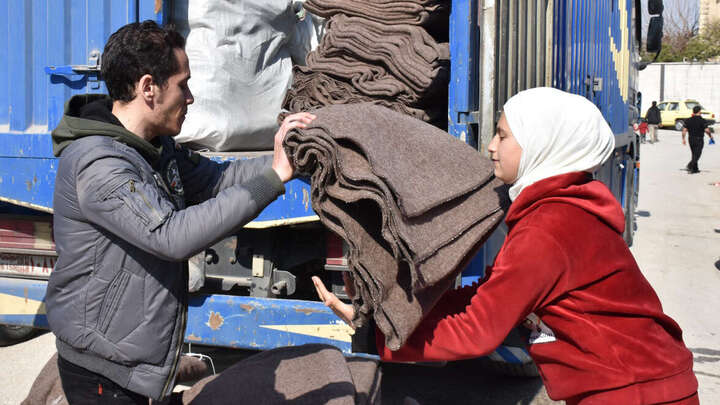
When a humanitarian crisis unfolds, the gap between what people need to survive and what they can actually access can widen within days. Basic necessities like food, water, shelter, and medical care become uncertain, and for many families, outside support becomes the difference between managing through an incredibly difficult period and facing conditions that put their lives at serious risk.
This is why organisations work quickly to coordinate emergency aid for Gaza and similar crisis situations, aiming to get essential resources to affected communities as fast as possible. Understanding why this kind of rapid response matters so much helps explain the urgency behind humanitarian appeals whenever a crisis reaches this scale.
Meeting Immediate Survival Needs
The most pressing purpose of emergency aid is addressing basic survival needs that can disappear almost overnight during a crisis. Food, clean water, and emergency medical supplies are often the first priorities, since even short interruptions in access to these essentials can have serious, sometimes life threatening consequences.
Aid organisations focus heavily on this immediate response phase, working to stabilise the most urgent needs before shifting attention towards longer term recovery efforts.
Preventing Health Crises From Escalating
Humanitarian crises often bring a heightened risk of disease outbreaks, particularly when clean water and sanitation systems are disrupted. Emergency aid plays a critical role in preventing these secondary health crises, supplying clean water, medical care, and hygiene resources that help contain the spread of illness before it becomes a wider public health emergency.
Without this kind of rapid intervention, an already dire situation can quickly become significantly worse, placing even greater strain on already limited healthcare resources.
Providing Shelter and Safety
Displacement is one of the most common and immediate consequences of a crisis, leaving families without safe places to stay, sometimes with very little warning. Emergency aid often includes temporary shelter solutions, along with essential items like blankets and hygiene supplies, offering displaced families a basic level of safety and protection while longer term solutions are worked out.
This kind of support addresses a fundamental human need that becomes especially urgent when families are forced to leave their homes suddenly and unexpectedly.
Supporting Vulnerable Groups
Children, the elderly, and those with existing health conditions are often among the most vulnerable during a crisis, facing heightened risks that require targeted support. Emergency aid efforts frequently prioritise these groups, ensuring that those least able to cope with the disruption receive the specific care and resources they need most urgently.
This targeted approach helps ensure that limited resources are directed towards those facing the greatest immediate risk, rather than being distributed without consideration for individual vulnerability.
Enabling a Faster Path to Recovery
While emergency aid focuses primarily on immediate survival needs, it also lays the groundwork for longer term recovery. Stabilising a community's basic needs early on creates the conditions necessary for rebuilding efforts to begin, whether that involves restoring access to education, rebuilding infrastructure, or supporting economic recovery over time.
Without this initial stabilisation, longer term recovery efforts become significantly more difficult, since communities cannot begin rebuilding while still struggling to meet their most basic daily needs.
Why Speed of Response Matters So Much
Delays in humanitarian response can have serious, sometimes irreversible consequences. Conditions during a crisis tend to deteriorate quickly, meaning aid that arrives even a few days late can mean the difference between a manageable situation and one that has spiralled into a far more severe emergency.
This urgency is why humanitarian organisations emphasise the importance of rapid donations and support, allowing them to mobilise resources and reach affected communities before conditions worsen further.
The Role of Established Aid Organisations
Effective emergency response relies heavily on organisations with existing infrastructure, local partnerships, and experience navigating the logistical challenges that often accompany crisis situations. This established presence allows aid to reach affected areas more quickly and reliably than efforts starting entirely from scratch.
Supporting these established organisations, rather than smaller, less experienced efforts, often means donations are put to use more efficiently and reach those in need with far less delay.
Conclusion
Emergency aid plays an essential, often lifesaving role during humanitarian crises, addressing immediate survival needs while laying the groundwork for longer term recovery. From preventing health crises to supporting the most vulnerable, the speed and coordination of this response can make a profound difference to outcomes for affected communities. Supporting established humanitarian efforts quickly and consistently remains one of the most effective ways individuals can contribute to genuine, meaningful relief during a crisis.
Visit Youtalent for more informative blogs.