Unlocking the Mystical Powers of Amulets and Talismans
Posted by Muhammad Junaid
Filed in Other 754 views
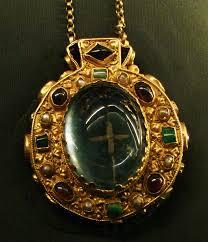
Amulets and talismans are objects that have fascinated humans for centuries, serving as symbols of protection, luck, and spiritual connection. While they may look like simple charms, these items carry deep symbolic meanings. Amulets are usually worn or carried to shield individuals from harm or negative energy, whereas talismans are crafted with a specific intention in mind, such as attracting wealth, health, or love. These objects can be made from gemstones, metals, wood, or inscribed symbols, each chosen for its unique energetic or cultural properties. Across civilizations, from ancient Egypt and Mesopotamia to East Asia and Europe, people have used these objects in daily life, rituals, and religious practices. Today, amulets and talismans continue to inspire and guide people, bridging ancient traditions with modern spiritual practices. Beyond their mystical significance, they provide psychological reassurance, boost confidence, and serve as reminders of personal goals and intentions.
Ancient Origins and Cultural Significance
The use of amulets and talismans dates back thousands of years, appearing in nearly every ancient civilization. In Egypt, amulets were buried with the dead to ensure safety in the afterlife. In Mesopotamia, talismans were inscribed with protective spells against evil spirits. East Asian cultures used jade charms to symbolize health, longevity, and protection. In Europe, medieval charms were used to ward off disease and misfortune. Each culture developed unique designs, materials, and rituals, reflecting their spiritual beliefs and daily needs. Studying these origins reveals humanity’s longstanding desire to connect with unseen forces, control uncertainty, and enhance personal power. Even in modern society, these objects are valued not only for spiritual purposes but also as cultural artifacts, preserving centuries of human creativity and symbolism.
Types and Materials
Amulets and talismans exist in countless forms, each chosen for its symbolic significance or intended purpose. Amulets are often simple and protective, made from metals, gemstones, wood, or fabric. Talismans tend to be more intricate, often inscribed with symbols, sacred geometry, or words to attract specific energies like prosperity, love, or health. Materials are carefully selected: silver is thought to repel negativity, gold attracts abundance, and jade promotes balance and protection. The symbolism behind these materials and designs is crucial to their perceived power. By understanding the types and materials of amulets and talismans, individuals can choose objects that align with their personal intentions and spiritual practices.
Protective Powers
One of the main purposes of amulets and talismans is protection. People carry or wear them to shield against harm, illness, bad luck, or spiritual negativity. Talismans may also carry protective properties depending on their inscriptions or design. Historically, these objects were relied upon by soldiers, travelers, and common people for safety and peace of mind. Beyond mystical beliefs, they provide psychological reassurance, boosting confidence and helping individuals feel secure. Protective amulets and talismans act as a constant reminder of inner strength, courage, and resilience, which can be particularly comforting in uncertain times.
Attracting Luck and Prosperity
Many talismans are created specifically to bring luck, wealth, success, or love. They may include symbols, inscriptions, or specific materials believed to enhance energy. People often carry them, wear them, or place them in homes or workplaces to attract positive outcomes. Modern interpretations recognize that these charms influence mindset, encouraging optimism, confidence, and focus. By concentrating on intentions while using talismans, individuals can reinforce behaviors that align with their goals. This combination of belief, symbolism, and intention makes talismans powerful tools for shaping personal outcomes and inviting opportunities.
Rituals and Empowerment
Amulets and talismans are often empowered through rituals, which may include prayers, meditation, chanting, or symbolic gestures. Rituals align the object with the owner’s intentions, enhancing its effectiveness. Cleansing practices using water, smoke, or salt are common, and some traditions follow lunar or astrological timings. These rituals are not merely symbolic; they help the user focus, build discipline, and strengthen spiritual connection. Engaging with the object through ritual transforms it from a simple charm into a meaningful tool for empowerment, mindfulness, and protection. Even small, personal rituals can enhance the perceived influence and value of an amulet or talisman in daily life.
Modern Uses and Cultural Influence
Today, amulets and talismans remain popular in both spiritual and secular contexts. Many people wear them as jewelry, keep them at home or workspaces, or use them in meditation for focus and intention. Artists and collectors also value them for historical, cultural, and aesthetic significance. The enduring presence of amulets and talismans demonstrates humanity’s fascination with symbolic objects that connect the physical and spiritual realms. By thoughtfully integrating these charms into modern life, individuals can experience psychological and spiritual benefits, cultivate mindfulness, and create a sense of protection and purpose in their everyday routines.